





 2
Bahrain Won Marathon Gold With an Ethiopian-Born Runner. Who Gets to Represent a Country?
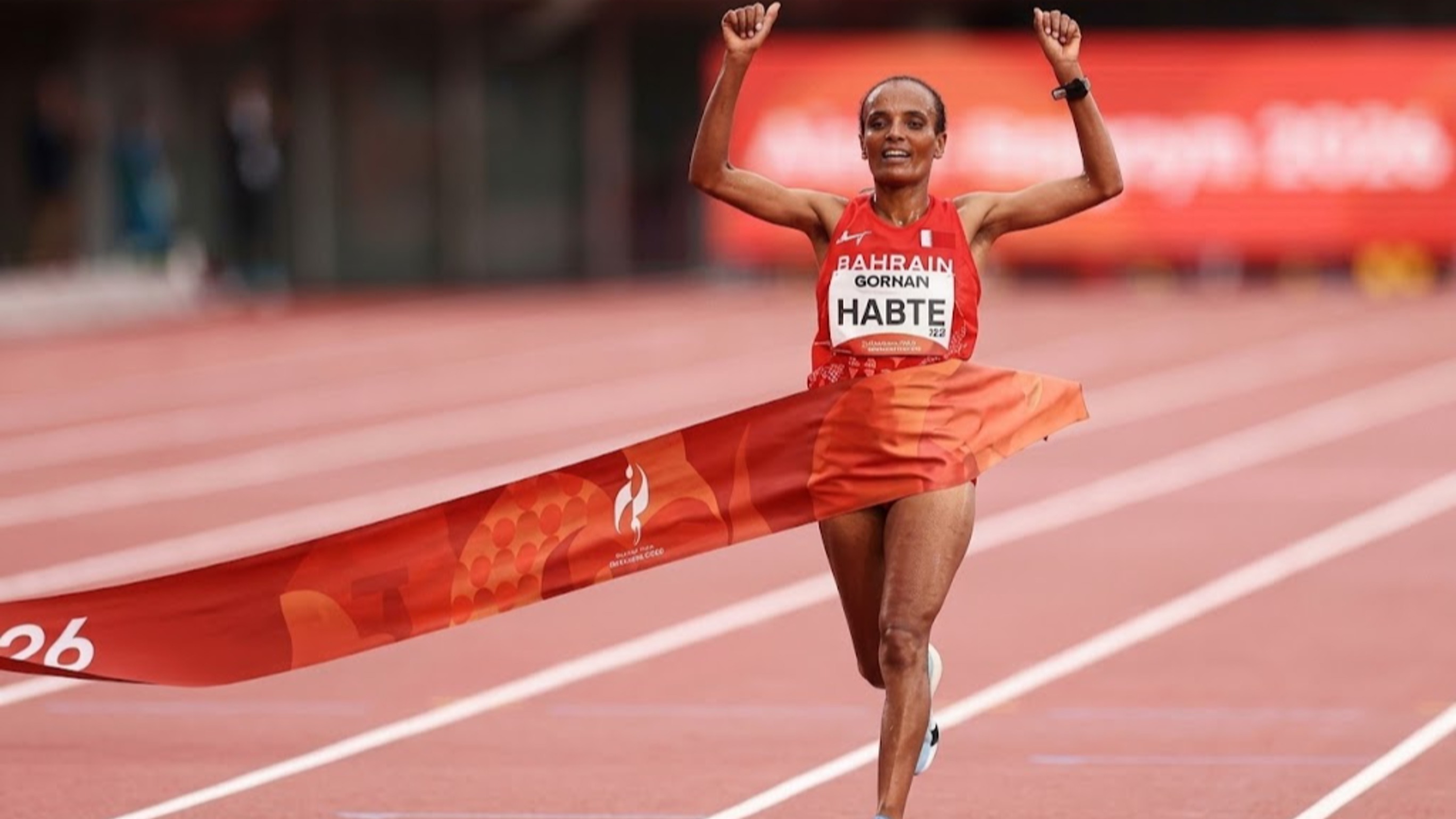
Shitaye Habte won the Asian Games women's marathon for Bahrain, having been born in Ethiopia. On the results sheet, that's simply a gold medal for Bahrain. In context, it's a reminder of how tangled national identity has become in elite distance running, where the country on the singlet and the country of origin are often two very different things entirely.
Naturalization in distance running isn't new, but it's rarely discussed plainly
Bahrain, along with several Gulf nations, has built competitive distance-running programs partly through naturalized athletes originally from East African running powerhouses like Ethiopia and Kenya. That's a well-established pattern in the sport, not a one-off case unique to this particular runner or this particular Games.
What makes it worth discussing directly is that the pattern tends to stay in the background of race coverage, treated as a footnote rather than the actual story it represents about how national sports programs are built in the modern era of professionalized athletics.
Why this isn't really a story about Habte individually
It's tempting to frame this as a story about one athlete's personal journey. That undersells what's actually happening. Programs like Bahrain's don't happen by individual accident, they're deliberate national sports strategies, built around recruiting elite talent from countries with deep distance-running pipelines but far fewer opportunities to convert that talent into funded, professional careers with proper support and resources.
Habte's gold is the visible outcome of that strategy working exactly as intended. The more interesting story is the strategy itself, and what it says about how smaller nations compete for medals in sports dominated by a handful of traditional powerhouses.
The economics behind naturalization rarely get discussed alongside the medal
These arrangements aren't purely about national pride on either side. They typically involve funding, training infrastructure, and career opportunities that may not have been as readily available to the athlete in their country of birth. Understanding a result like Habte's gold means understanding that trade honestly, rather than treating it as either simple patriotism or simple opportunism. It's usually some version of both, worked out through a formal process both parties agreed to.
The uncomfortable question nobody fully resolves
Fans and pundits are often unsure how to feel about results like this one. Is it a legitimate national sporting achievement, or does it stretch the meaning of "representing your country" past the point where the phrase still means what people assume it means when they watch a medal ceremony and hear an anthem play?
There's no clean answer, and that's exactly why it's worth talking about rather than skipping past it in the race recap and moving straight to the next event.
Should medals won by naturalized athletes count the same as medals won by athletes who grew up in the country they're representing, or is there a meaningful difference that medal tables currently erase?

Sarajevo Back at the Heart of Regional MMA: SFC Returns with Explosive Matchups

How Buzzer Karma Works: Levels, Penalties, and What They Mean

Inside Buzzer's Latest Update (and Why It Changes How You Use the App)

Buzzer Introduces Ads Console: A New Era of Advertising Across the Entire Buzzer Ecosystem

Buzzer Is Evolving: From Quantity to Quality

Buzzer Now Has a Games Hub, and Tournaments Are Coming

Al Ittihad SC's Matches Are Now Live on Buzzer

Palm City vs Gulf United Ends in 1–1 Draw in UAE Second Division League Clash

"We Don't Take the Guy With the Camera." He Built His Own Club Anyway. Now He's Coming to Find You.

Building the Infrastructure Sports Tech Forgot


