




 0
0
India Just Did Something No T20 World Cup Team
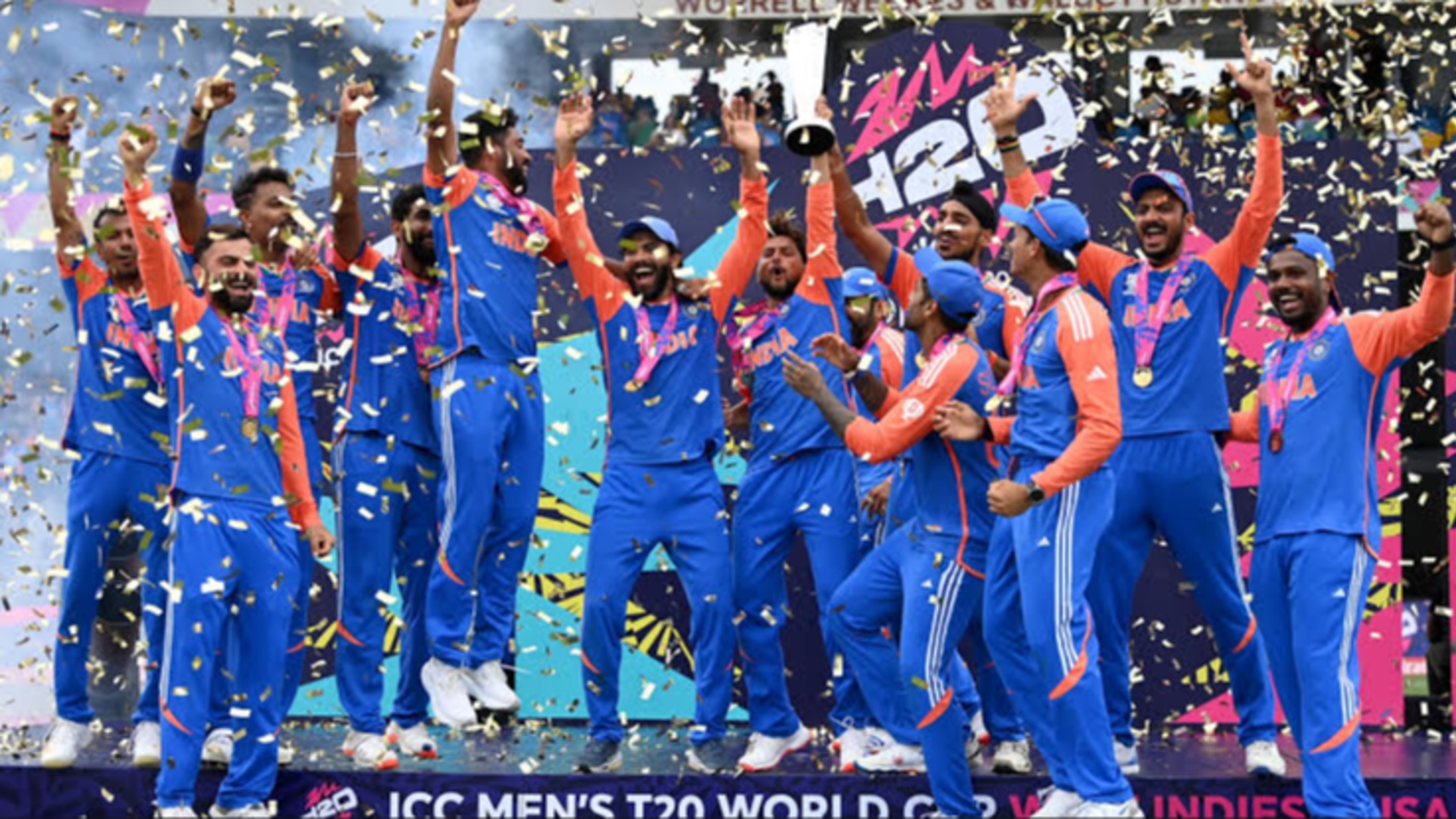
Winning back-to-back T20 World Cups sounds like the kind of thing that should have happened by now, given how long the tournament has existed. It hadn't, not once, until India did it in March 2026.
Nobody Had Ever Defended the Title
The T20 World Cup has been running since 2007, and across nine previous editions, no team had ever won it twice in a row. India, England, and the West Indies had all managed two titles across their history, but always with gaps, other champions, and rebuilding stretches in between.
India changed that by beating New Zealand in the 2026 final at Narendra Modi Stadium in Ahmedabad, becoming the first team to successfully defend the trophy and the first to win it three separate times overall.
A Final That Wasn't Remotely Close
The scoreline made the achievement look almost effortless. India posted 255 for 5, one of the highest totals ever recorded in a T20 World Cup final, built around a blistering 98-run opening partnership between Abhishek Sharma and Sanju Samson inside the first seven overs.
Samson finished with 89 off just 46 balls, striking eight sixes along the way, while Ishan Kishan added a rapid 54 off 25 deliveries lower down the order.
New Zealand simply had no answer, collapsing to 159 all out and losing by 96 runs, the largest margin of victory in the tournament's final history, beating the previous record by exactly 60 runs.
The Biggest Stage Cricket Has
The final took place at Narendra Modi Stadium in Ahmedabad, the largest cricket stadium on the planet by capacity, and the crowd of nearly 87,000 turned it into one of the loudest atmospheres the tournament has ever produced for a final.
India's captain, Suryakumar Yadav, had made clear before the tournament even began how much winning it specifically in that stadium mattered to the group, a detail that made the eventual result feel less like a simple trophy defense and more like a target the team had been building toward for the entire competition.
India's three T20 World Cup titles now span three different eras of the format, the inaugural tournament in 2007, the 2024 edition, and this back-to-back defense in 2026, giving the program a claim to the format's entire history that no other nation can match.
Bumrah's Night to Remember
India's bowling matched the batting for sheer dominance. Jasprit Bumrah returned figures of 4 for 15 across his four overs, the best bowling performance ever recorded in a T20 World Cup final, and picked up Player of the Match honors for an evening where New Zealand's batters simply couldn't find any answer to his pace and control.
Samson took home Player of the Tournament for his consistency across the full event, capping a campaign where India didn't just win, they redefined what dominance in the format could look like.
Cricket historians will spend years pointing to this India side as the benchmark for what a complete T20 team actually requires, a top order capable of setting or chasing 250, and a bowling attack good enough to defend it against anyone.
The real question now is whether any team, including India themselves, can put together a run good enough to make it three world titles in a row.


