

 0
0
Manchester City Was Never Really a Football Investment
When Sheikh Mansour bin Zayed Al Nahyan bought Manchester City in September 2008, the headline figure was roughly £210 million. Reported at the time, it sounded like an enormous sum for a mid-table club that had finished ninth in the Premier League the previous season and spent much of the prior decade bouncing between divisions.
Zoom out, and that purchase price looks almost trivial. Sheikh Mansour chairs both the Emirates Investment Authority and Mubadala Investment Company, which alone manages roughly $330 billion in assets. The wider Abu Dhabi sovereign wealth ecosystem behind him is estimated at around $1.7 trillion. Manchester City’s purchase price represents something like one-eight-thousandth of that capital architecture.
The distinction that actually matters
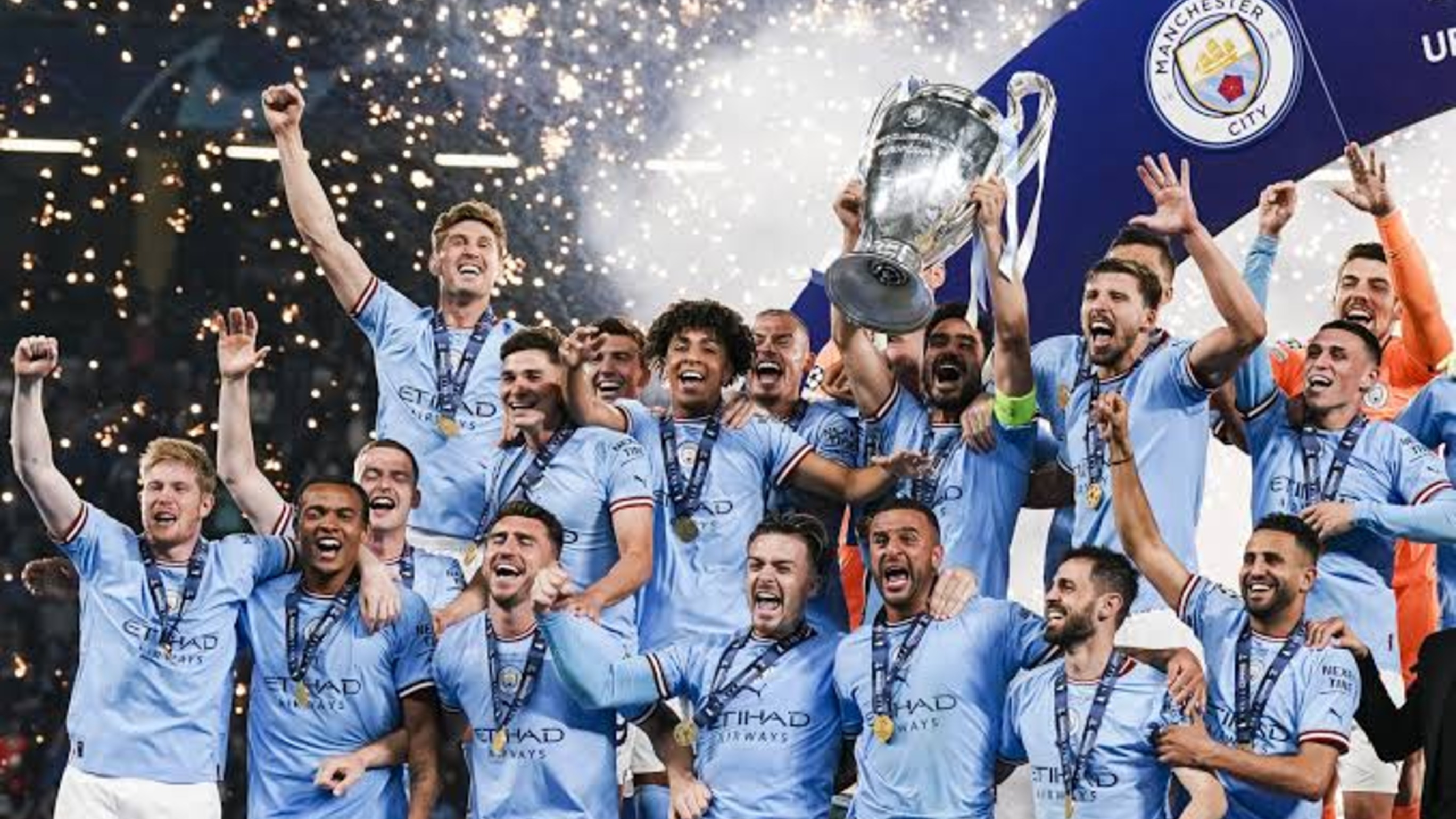
Most discussion of City’s rise focuses on trophy counts and transfer spending, understandably, since the on-pitch results have been staggering. From a club with just twelve major honors across its entire history before 2008, City has now won 25 trophies in eighteen years under Abu Dhabi ownership, spending well over £1.5 billion on players along the way.
But treating City purely as a football success story misses the more useful framing. City was never really purchased as a football investment in any conventional sense. It functions as a soft-power asset deployed by a sovereign wealth ecosystem so vast that the entire Premier League’s commercial revenue base amounts to a rounding error against its annual investable surplus.
That distinction explains something else that often confuses people: why no conventionally owned European club can realistically outspend City over a sustained period. City’s owners aren’t just richer than everyone else. They’re operating on an entirely different financial plane, one where a Premier League club’s spending power barely registers against the wider portfolio.
Beyond the pitch
The relationship runs both directions. Abu Dhabi has poured billions into regenerating parts of Manchester alongside the football investment, funding community infrastructure and property development around the Etihad Stadium during a period of real austerity for the UK. Manchester City has become one of Abu Dhabi’s most visible assets in Britain, sitting alongside London property holdings, port infrastructure, and telecommunications investments as part of a broader relationship between the two places.
That relationship hasn’t been without friction. City has faced years of Premier League charges alleging financial rule breaches, charges the club firmly denies, and the case has occasionally strained diplomatic conversations between UK and UAE officials given how visible and symbolically important the club has become to that relationship.
Watching City with the right frame
None of this makes City’s trophies less real or Pep Guardiola’s coaching less brilliant. But understanding the actual scale of what sits behind the club changes how you should interpret its dominance. This was never a wealthy owner taking a gamble on a football club the way Roman Abramovich once did at Chelsea. It was a sovereign wealth apparatus deciding that owning a major European football club made strategic sense, and treating the football itself as one output among many.
Does knowing the true scale of ownership behind a club like Manchester City change how you feel about their success, or does what happens on the pitch stand entirely on its own regardless of who’s funding it?


 1
1