





 0
F1 Is Going Back To Sepang After Nine Years, And The Reason Is Almost Funny
The Bahrain Grand Prix is being held in Malaysia. Read that twice and it still sounds like a typo.
Formula 1 arrives at the Sepang International Circuit from October 2 to 4 for a race officially named the Formula 1 Gulf Air Bahrain Grand Prix in Malaysia. It fills the slot left open when Bahrain's round was postponed because of the conflict in the Middle East. Saudi Arabia's race dropped off the calendar in April for the same reason, and it has not been replaced.
The date sits between Azerbaijan and Singapore, which turns the run-in into a triple-header. A Malaysian outlet reported that Bahrain is funding the replacement race, which would explain why the name travelled with it.
The track that never left the conversation
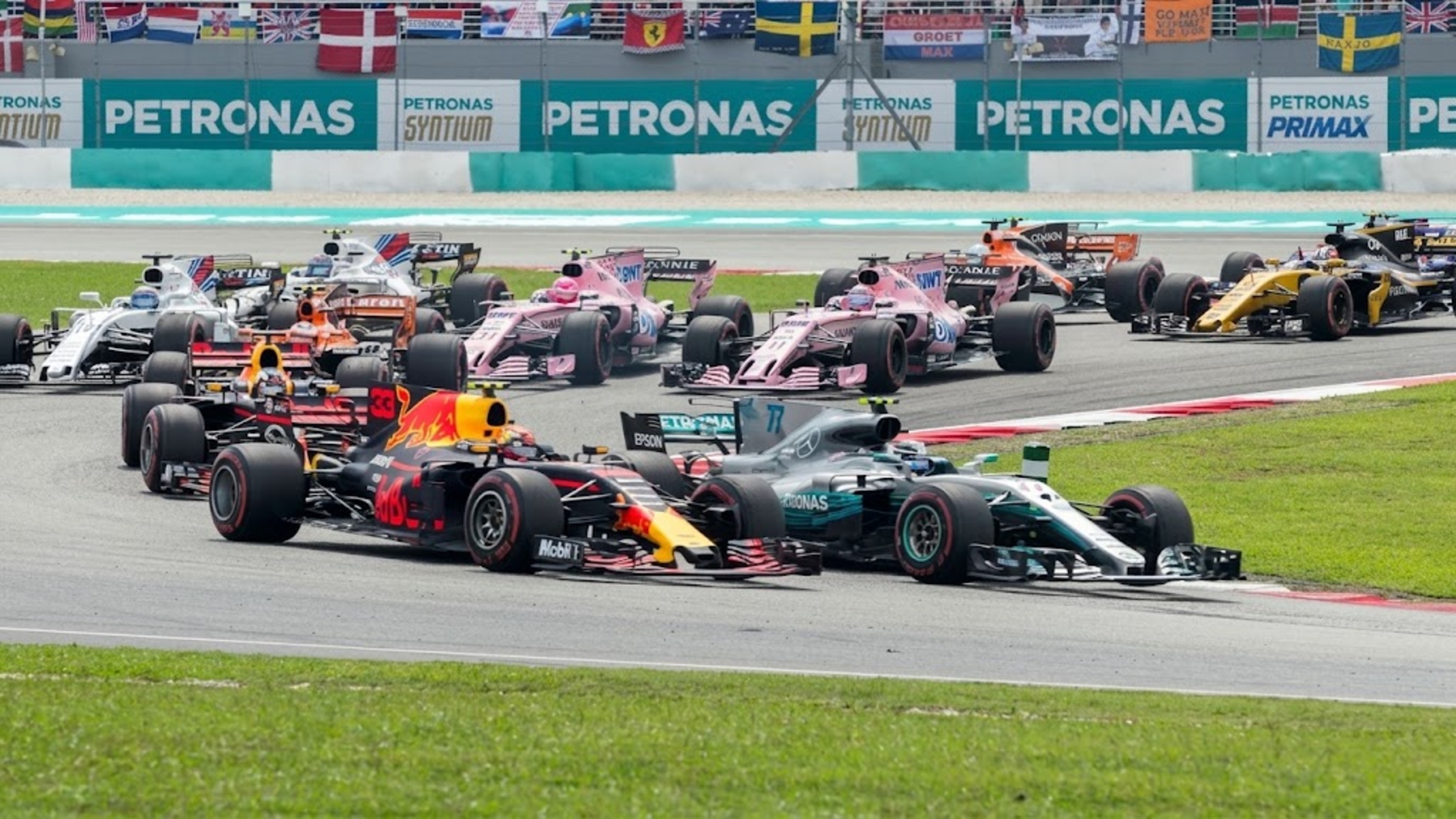
Malaysia hosted a Grand Prix every year from 1999 to 2017, 19 races in all. It left because hosting fees rose and ticket sales sagged. Notice what is missing from that explanation: the circuit itself. Nobody ever complained about Sepang the track.
And there was plenty to like. The layout is fast and wide, and the tropical weather regularly throws in a storm that scrambles the order. The very first race in 1999 delivered a plot twist, with Michael Schumacher returning from injury and helping Ferrari teammate Eddie Irvine to victory. The last one, in 2017, gave Max Verstappen his second career win, ahead of Lewis Hamilton.
That is a lot of history for a venue that fell off the schedule because the sums stopped working.
Why an old circuit wins an emergency
F1 spends much of its time talking about new markets. Fresh street circuits, fresh cities, fresh sponsors. But when a race vanished and the calendar needed a stand-in, the sport did not reach for a brand-new venue. It phoned an old friend.
The practical logic is easy to follow. The championship's Concorde Agreement requires at least 21 rounds, and with Qatar and Abu Dhabi also in doubt at the time the deal was reported, the numbers were tight. Sepang already exists, already knows how to host a Grand Prix, and comes with a government that wanted it back. FIA president Mohammed Ben Sulayem pointed to Malaysia's "continued commitment," and Prime Minister Anwar Ibrahim framed it as proof the country can host world-class events.
Formula 1 boss Stefano Domenicali said the deal shows the sport can adapt, find solutions and deliver. That is the polite version. The blunt version is that a proper circuit turned out to be a reusable asset, and the shiny new ones cannot always say the same.
What Malaysian fans get, and what they do not
They get a Grand Prix weekend after nine years without one. They do not get the Malaysian Grand Prix, because the name belongs to Bahrain for this one. It is a strange way to come home, like being invited back to your old house to house-sit for a neighbour.
Still, the timing carries a small lesson for the calendar. Every time F1 adds a new market, an old venue with a proven track record is left waiting somewhere. Sepang's return is a reminder that fans keep an emotional claim on circuits long after the paperwork ends.
So which circuit that F1 left behind deserves the same phone call next time the schedule falls apart?

Sarajevo Back at the Heart of Regional MMA: SFC Returns with Explosive Matchups

How Buzzer Karma Works: Levels, Penalties, and What They Mean

Inside Buzzer's Latest Update (and Why It Changes How You Use the App)

Buzzer Introduces Ads Console: A New Era of Advertising Across the Entire Buzzer Ecosystem

Buzzer Is Evolving: From Quantity to Quality

Buzzer Now Has a Games Hub, and Tournaments Are Coming

Al Ittihad SC's Matches Are Now Live on Buzzer

Palm City vs Gulf United Ends in 1–1 Draw in UAE Second Division League Clash

"We Don't Take the Guy With the Camera." He Built His Own Club Anyway. Now He's Coming to Find You.

Building the Infrastructure Sports Tech Forgot


 1


