

 1
1
Football Kits Used to Change Colors for a Reason Nobody Explains Anymore
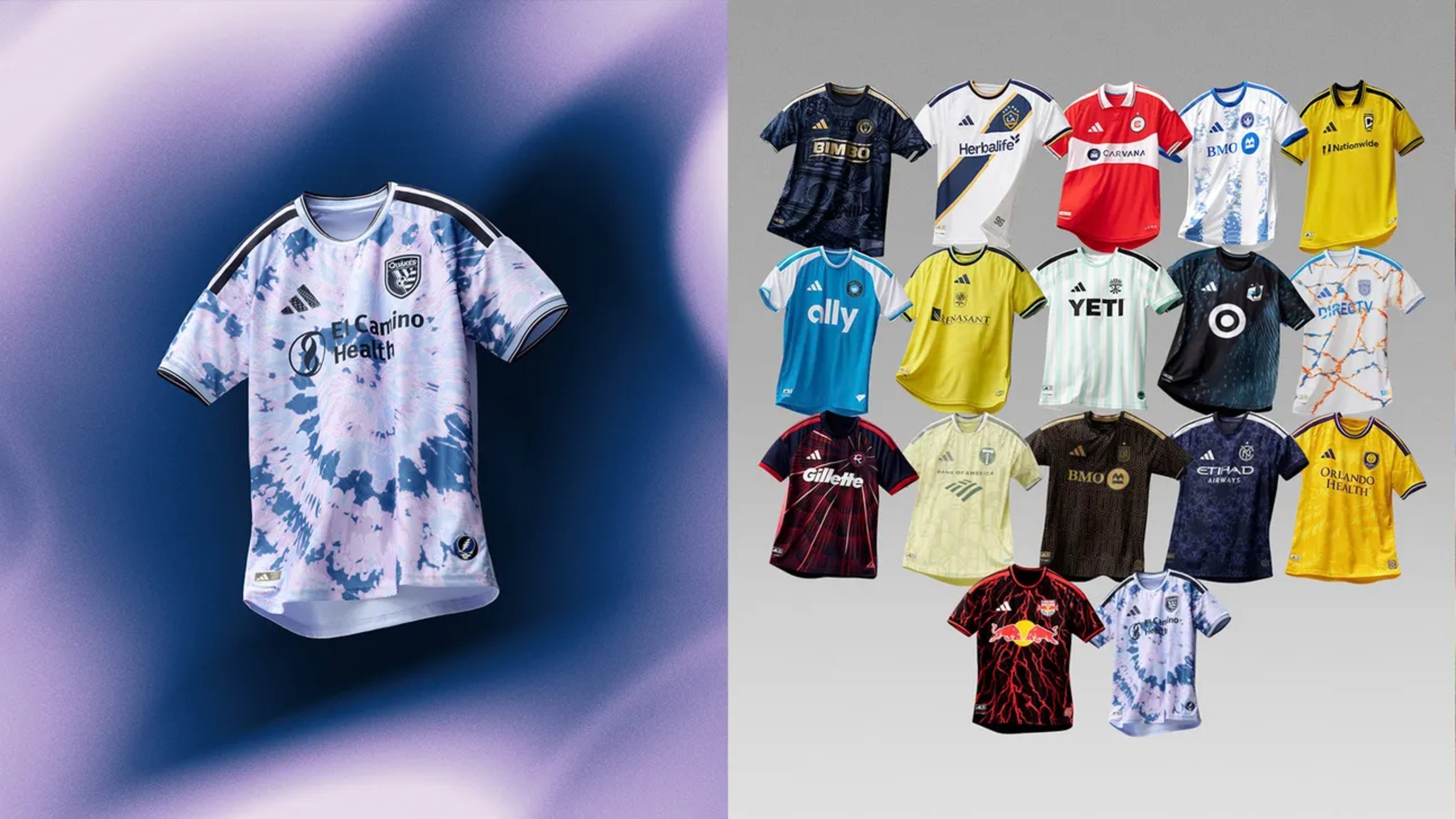
Every football club now releases a new away kit almost every single season, often accompanied by launch videos, celebrity ambassadors, and genuine commercial fanfare rivaling a sneaker drop.
It’s easy to forget that the entire concept started as a practical fix for a genuinely mundane problem: two teams occasionally showing up wearing similar enough colors that players, referees, and spectators couldn’t reliably tell them apart.
A rule born from confusion, not fashion
Early football, much like the goalkeeper jersey rules that developed around the same era, had no requirement that competing teams wear visually distinct colors. As the sport professionalized and traveled further from local, familiar fixtures, that gap became a genuine problem.
Matches between clubs with similar primary colors created real confusion on the pitch, slowing games down and occasionally leading to serious officiating errors when a referee or player briefly misidentified which team a nearby figure belonged to.
The solution football’s early governing bodies settled on was straightforward: designate a second, visually distinct kit that the visiting team would wear whenever a genuine color clash was likely. For decades, that’s essentially all an away kit was, a practical contingency rather than a genuine commercial product, often reused across multiple seasons without much ceremony or standalone identity.
When away kits became their own category
That began changing significantly as football’s commercial machinery matured through the late 20th century. Once kit manufacturers realized fans would purchase replica shirts regardless of whether their club ever actually needed the alternate colors for a specific match, away kits stopped functioning purely as visibility insurance and started functioning as a distinct revenue stream in their own right.
Clubs increasingly began treating away kit design as a genuine creative opportunity rather than a practical afterthought, often using it as a chance to experiment with bolder colors, patterns, or callbacks to historical club moments that wouldn’t fit the more conservative, tradition-bound home shirt. Some of football’s most beloved kit designs in recent decades have actually been away shirts specifically because designers had more creative latitude working outside a club’s primary, more rigidly defined color identity.
The practical function never fully disappeared
Despite the shift toward fashion and commerce, the original visibility function hasn’t vanished entirely. Competition rules still require clashing kit colors to be resolved before matches, and referees retain the authority to require a change if two teams’ colors are judged too similar, a scenario that still occasionally forces a team to wear an unfamiliar third kit specifically to avoid confusion.
The rule that started the entire away kit tradition technically remains in force, even though it now applies to a tiny fraction of the actual kit-related decisions clubs and manufacturers make each year.
What’s changed is the balance of purposes. A tool originally designed almost entirely around solving a visibility problem has become primarily a commercial and creative product, with the practical function reduced to a background requirement rather than the driving design consideration it once was.
A pattern worth noticing across sport
This kind of shift, a rule created to solve a narrow practical problem eventually becoming something closer to pure spectacle or commerce, shows up repeatedly across sports history in different forms, from goalkeeper jerseys to trophy designs to entire event formats.
Away kits are simply one of the more visually obvious examples, given how directly fans interact with the product every time a new one gets released.
Does it matter that away kits have drifted so far from their original practical purpose, or is that evolution simply what happens naturally once a functional solution becomes popular enough to sustain a genuine commercial life of its own?


 2
2