




 0
0
Abu Dhabi Just Hosted the Middle East’s First Ever Masters Games, and 25,000 Athletes Showed Up
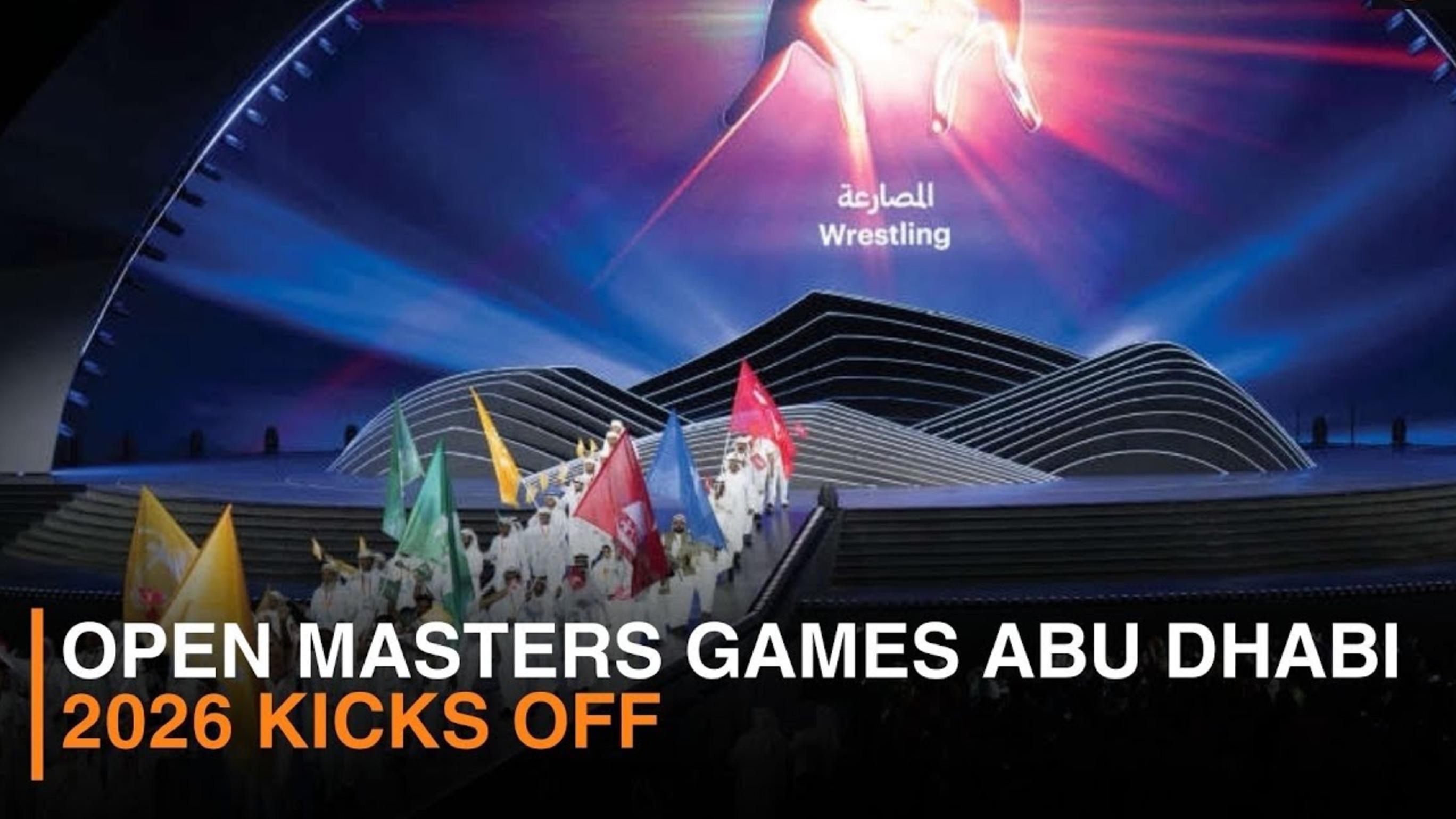
The Abu Dhabi Masters Games 2026 kicked off with a grand opening ceremony at Zayed Sports City, marking the first time the international multi-sport event has ever been held anywhere in the Middle East.
More than 25,000 athletes from 90 countries are taking part, competing across more than 35 different sports over ten days, ranging from traditional Olympic disciplines to heritage sports and para-sports events built for athletes of all ages and abilities.
The Masters Games format itself is different from most major sporting events people are used to seeing. Rather than showcasing only elite, young, professional-level athletes, the Games are built explicitly around participation across generations, welcoming competitors well beyond their athletic prime alongside younger athletes, and structuring competition to genuinely include people with a wide range of physical abilities rather than only the sport’s absolute best performers. That inclusive framing fits directly into how Abu Dhabi has positioned the event, describing it as reflecting the UAE’s broader commitment to using sport as a driver of family cohesion and quality of life, not just elite competition.
This event adds another distinct piece to the UAE’s already crowded sports calendar, joining Formula 1’s Abu Dhabi Grand Prix, the DP World Tour’s golf events, WTA tennis, ILT20 cricket, and now NBA preseason basketball. What makes the Masters Games notably different from those other additions is its scale and inclusivity rather than pure elite prestige. Where most of the UAE’s marquee sporting investments chase the very top tier of professional competition, the Masters Games instead bets on participation numbers and genuine breadth, more than 25,000 athletes across 35 sports, as its own kind of statement.
That distinction matters for understanding the UAE’s broader sporting strategy. Building a reputation purely around hosting elite professional events, however successful, eventually plateaus once a country has already captured the biggest names in golf, tennis, motorsport, and basketball. Adding a genuinely massive participation-based event like the Masters Games extends that reputation into new territory entirely, positioning Abu Dhabi as a hub not just for watching the world’s best athletes compete, but for a much broader, more accessible slice of the global sporting community to actually take part themselves.
Whether the Masters Games becomes a recurring fixture on Abu Dhabi’s calendar the way so many of its other sporting investments have, will likely depend on how this first edition is remembered by the athletes and countries who took part. Given the UAE’s track record of turning a promising first event into a permanent, growing fixture across nearly every other sport it’s invested in, the odds seem to favor a return visit.
The choice of Zayed Sports City as the venue also carries its own quiet symbolism. The complex opened in 1980, less than a decade after the UAE became a country, built as a bet on a sporting future the nation hadn’t yet earned. More than four decades later, that same venue is hosting one of the largest multi-sport gatherings the Middle East has ever seen, evidence of how far the country’s sporting ambitions have grown from that original, comparatively modest investment.
Organizers have also pointed to the Games’ heritage sports component as a distinguishing feature compared to other major events on the UAE calendar. Alongside standard Olympic disciplines, the program includes events tied to regional tradition, giving international visitors a chance to experience local sporting culture directly rather than only watching imported, globally standardized competitions. That blend of the traditional and the international is likely to become a template for how the UAE positions future editions of the event, assuming the Masters Games does return as expected.


