





 0
The UFC's Talent Factory Is More Brutal Than the UFC Itself
Everyone remembers the knockouts and the submissions from Contender Series.
Almost nobody talks about what the show actually is underneath all that: a weekly audition where a single bad performance can end a career before it ever properly starts, and a single great one can change everything overnight. That tension was on full display this past week, and it's worth pulling apart properly.
That's what makes the show so compelling. You're not just watching two fighters compete, but two careers potentially change direction in the space of a few minutes, with no guarantee either fighter will get another shot.
The format's brutality
The format itself is almost cruelly simple.
Fighters get one appearance, one opportunity in front of Dana White and UFC decision-makers, to prove they belong on the roster.
There's no play-off system, no second leg, no seeding based on résumé. Win impressively enough, and White hands out a contract on the spot, live, in front of everyone. Lose, or worse, win in an unconvincing way, and that opportunity might simply not come around again.
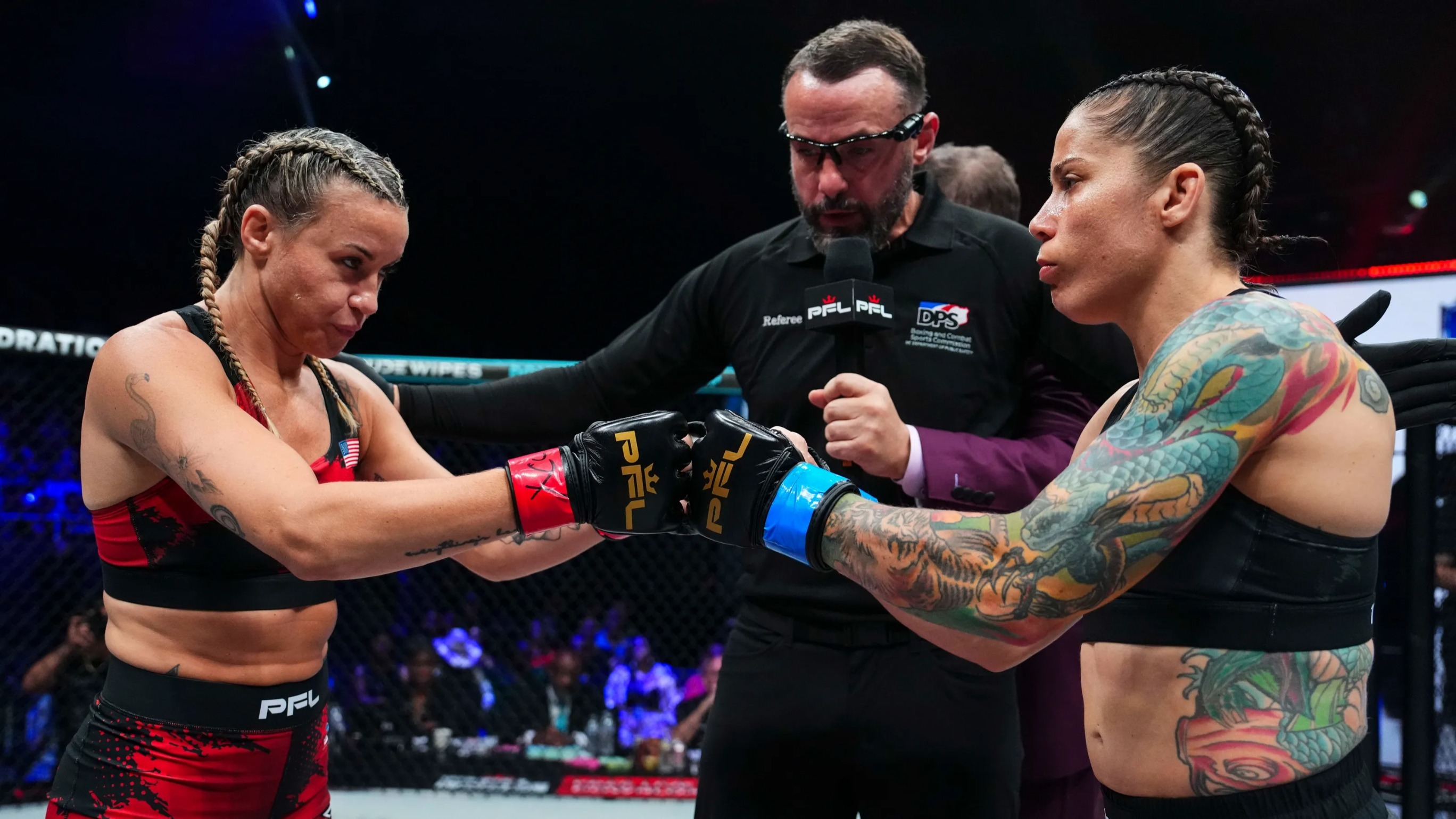
Bella Mir's stunning upset loss to Alex Apodaca this past week captures both sides of that brutality at once.
Mir, a heavily favored prospect with elite wrestling pedigree, lost her one shot and walked away with nothing but a first loss on her record.
Apodaca, a 32-year-old massive underdog from Austin, walked away with the contract that Mir was supposed to be collecting.
One performance completely rewrote both of their trajectories, that same night, in the same cage.
Stakes unlike anything else in sports
What makes this format genuinely different from a normal UFC card is the stakes attached to every single decision a fighter makes in real time.
A UFC roster veteran having an off night usually just takes a loss and gets booked again. A Contender Series fighter having an off night might never get another chance at all.
That's a level of pressure most sports simply don't ask of their prospects, certainly not this early and this publicly. It's also, in its own way, a remarkably honest system compared to how prospects get evaluated in most other sports.
There's no committee debating intangibles, no scouting department protecting its own draft grades.
White himself has talked about judging performances with zero prior knowledge of a fighter's background specifically to keep the evaluation clean.
What you show on that one night is essentially the entire case.
Fair or harsh?
Whether that's the fairest way to build a roster or an unnecessarily harsh one is genuinely debatable.
Careers built on a single audition night will always produce heartbreaking outliers, fighters who simply had a bad night against an opponent who happened to have a great one, the exact story that just played out with Mir and Apodaca.
But it's also hard to argue the system doesn't work at identifying fighters with the composure to perform under real pressure, since that's precisely the skill the format is testing whether these prospects intend it to or not.
Is a one-night audition actually the fairest way to find out who deserves a UFC contract, or does it just reward whoever happens to have their best night at the right moment?

Sarajevo Back at the Heart of Regional MMA: SFC Returns with Explosive Matchups

How Buzzer Karma Works: Levels, Penalties, and What They Mean

Inside Buzzer's Latest Update (and Why It Changes How You Use the App)

Buzzer Introduces Ads Console: A New Era of Advertising Across the Entire Buzzer Ecosystem

Buzzer Is Evolving: From Quantity to Quality

Buzzer Now Has a Games Hub, and Tournaments Are Coming

Polo Al Taco Expands Its Global Reach Through Weekly Livestreams on Buzzer Arena TV

Al Ittihad SC's Matches Are Now Live on Buzzer

Palm City vs Gulf United Ends in 1–1 Draw in UAE Second Division League Clash

"We Don't Take the Guy With the Camera." He Built His Own Club Anyway. Now He's Coming to Find You.


