





 1
Kenya's Distance Runners Just Missed the Podium at the Richest Race in Athletics History
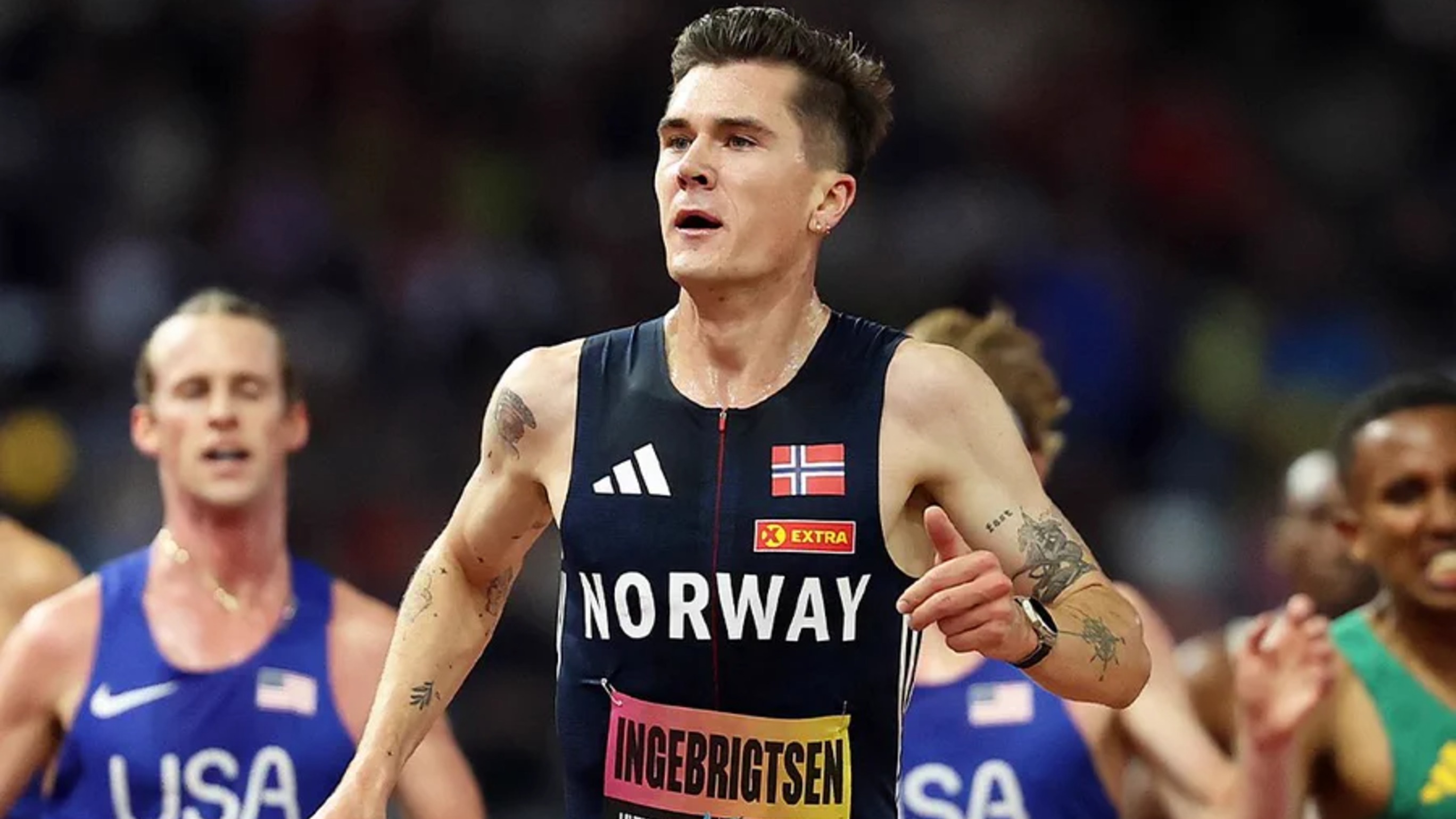
Jacob Krop finished tenth in the men's 5000m at the inaugural World Athletics Ultimate Championship. Cornelius Kemboi finished eleventh. Neither Kenyan came within four seconds of the podium in a race with a $150,000 first prize on the line, won instead by Norway's Jakob Ingebrigtsen in a photo finish over a pack stacked with Americans.
For a country whose name has been essentially synonymous with distance running dominance for decades, that result is worth sitting with rather than glossing over.
A field where Kenya wasn't even close
Seven runners finished within 1.16 seconds of the winning time in Budapest. Five of them were American. Krop crossed in 13:06.62, six seconds off the podium. Kemboi followed a second later. Ethiopia's Biniam Mehary took fourth.
It wasn't a case of Kenya's runners getting unlucky in a tactical race, they simply weren't fast enough on the night to be part of the genuine medal conversation, in a discipline Kenya has historically treated as close to its own territory.
What's actually shifted underneath the results
American college and professional distance running has undergone a quiet transformation over the last several years, built around well-funded training groups, sophisticated sports science support, and a domestic professional circuit that's given US runners far more high-level racing reps than they used to get. Nico Young, Grant Fisher and Graham Blanks all finished within striking distance of the podium in Budapest, part of a genuine depth of American 5000m talent that simply didn't exist a decade ago.
Kenya's traditional development model, built around high-altitude training camps, informal talent identification through school and regional competition, and a pathway that's produced generational talents almost as a matter of course, hasn't necessarily gotten worse. It's just no longer operating in a vacuum.
Ethiopia, the US, and increasingly other nations have caught up in ways that make Kenyan distance dominance far less automatic than it was even five years ago.
The commercial pressure adds another layer
Professional distance running has also become more commercialized, with sponsorship deals, appearance fees, and events like the Ultimate Championship's enormous prize pool changing the incentive structure for where and how young athletes train. Countries and training groups with more resources to invest in that infrastructure are increasingly able to compete for talent and results in ways that used to be Kenya's near-exclusive advantage.
None of this means Kenya's pipeline is broken. It means the margin that used to separate Kenyan distance runners from the rest of the world has narrowed considerably, and results like Budapest's are becoming less of an aberration and more of a pattern worth watching.
What comes next matters more than one result
One disappointing final doesn't erase decades of dominance, and Kenya will still send serious contenders to every major championship for the foreseeable future. But the gap that once looked practically permanent is closing, and it's closing because everyone else finally started catching up.
Is Kenya's traditional development model still sustainable against training systems with vastly more financial backing, or does the country need to fundamentally rethink how it identifies and develops its next generation of distance runners?

Sarajevo Back at the Heart of Regional MMA: SFC Returns with Explosive Matchups

How Buzzer Karma Works: Levels, Penalties, and What They Mean

Inside Buzzer's Latest Update (and Why It Changes How You Use the App)

Buzzer Introduces Ads Console: A New Era of Advertising Across the Entire Buzzer Ecosystem

Buzzer Is Evolving: From Quantity to Quality

Buzzer Now Has a Games Hub, and Tournaments Are Coming

Polo Al Taco Expands Its Global Reach Through Weekly Livestreams on Buzzer Arena TV

Al Ittihad SC's Matches Are Now Live on Buzzer

Palm City vs Gulf United Ends in 1–1 Draw in UAE Second Division League Clash

"We Don't Take the Guy With the Camera." He Built His Own Club Anyway. Now He's Coming to Find You.


