





 2
Man City's 115-Charge Case Has Hit a Turning Point. What Happens to Football Now?
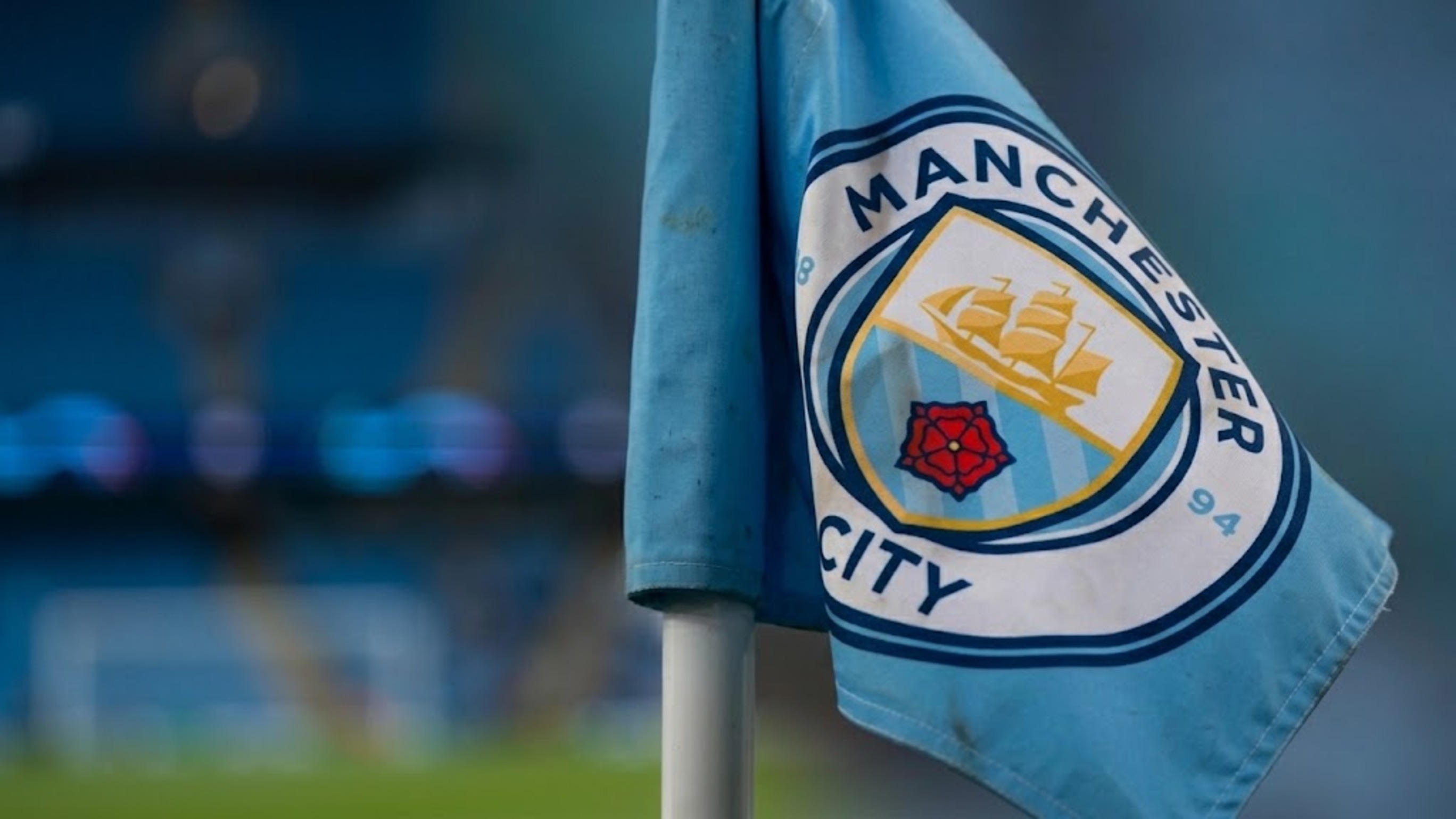
Reports circulating this week suggest an independent panel has found Manchester City guilty on 114 of the 115 charges brought against the club by the Premier League, a case that's been working its way through hearings, delays and appeals since it was first filed in February 2023. City has not confirmed this outcome and continues to insist the process remains ongoing, denying any wrongdoing. Nothing here should be read as a final, settled conclusion. What's worth examining is what a case like this was always going to mean for the sport, regardless of exactly when or how it resolves.
What City was actually accused of
The charges span roughly a decade, covering the 2009 to 2018 seasons. Fifty-four relate to allegedly failing to provide accurate financial information to the league. Fourteen more concern misreported payments to players and managers. Additional charges cover breaches of Profit and Sustainability Rules, non-compliance with UEFA's Financial Fair Play regulations, and, separately, an accusation of failing to cooperate with the Premier League's investigation itself between 2018 and 2023. City has always maintained the club welcomes independent review of what it calls "irrefutable evidence" supporting its position.
Why this case became the biggest threat English football has faced
Since a 2008 takeover by Abu Dhabi's Sheikh Mansour, Manchester City transformed from a club with no recent Premier League pedigree into the dominant force in English football, winning eight of the last thirteen top-flight titles and a first Champions League in 2023. That rise happened during the exact window these charges cover. If the reported findings hold up through any appeal, the sport faces a question English football has never really had to answer at this scale: what happens to a decade of trophies won, allegedly, while the club wasn't playing by the same financial rules as everyone else.
The precedent for punishment exists, even if the scale here is unprecedented. Everton and Nottingham Forest both took points deductions in recent seasons for breaches of the league's Profit and Sustainability Rules, sanctions that directly affected their positions in the table. Nobody has suggested a punishment at City's scale would look anything like those cases, and possible sanctions floated over the years have ranged from points deductions to, at the most extreme end, expulsion from the league.
What comes next, whatever the outcome
City has always signaled it would appeal any adverse finding, a process that would extend the case well beyond any initial verdict and push a final resolution further into the future. That's part of why football fans have spent close to three years hearing that a decision was "imminent" without one actually landing.
Whatever the final outcome, and however long the appeals process takes, the case has already forced English football to confront something it spent over a decade avoiding: what actually happens when the sport's financial rules run up against its biggest and most successful club. If a punishment does eventually land, does anything about the trophies already sitting in the cabinet actually change, or does football just have to live with an asterisk it can never quite resolve?

Sarajevo Back at the Heart of Regional MMA: SFC Returns with Explosive Matchups

How Buzzer Karma Works: Levels, Penalties, and What They Mean

Inside Buzzer's Latest Update (and Why It Changes How You Use the App)

Buzzer Introduces Ads Console: A New Era of Advertising Across the Entire Buzzer Ecosystem

Buzzer Is Evolving: From Quantity to Quality

Buzzer Now Has a Games Hub, and Tournaments Are Coming

Polo Al Taco Expands Its Global Reach Through Weekly Livestreams on Buzzer Arena TV

Al Ittihad SC's Matches Are Now Live on Buzzer

Palm City vs Gulf United Ends in 1–1 Draw in UAE Second Division League Clash

"We Don't Take the Guy With the Camera." He Built His Own Club Anyway. Now He's Coming to Find You.


