




 0
0
Polo Isn't Just a Sport. It's a Business Built Around Access
Most sports have a floor: buy a ball, find a court or a field, and you're playing.
Polo doesn't work that way.
A single high-goal season can cost a patron between $1 million and $5 million before a single chukka is played, and that figure barely scratches the surface of what actually determines who gets to compete at the sport's highest level.
The horses alone cost more than most sports' entire budgets
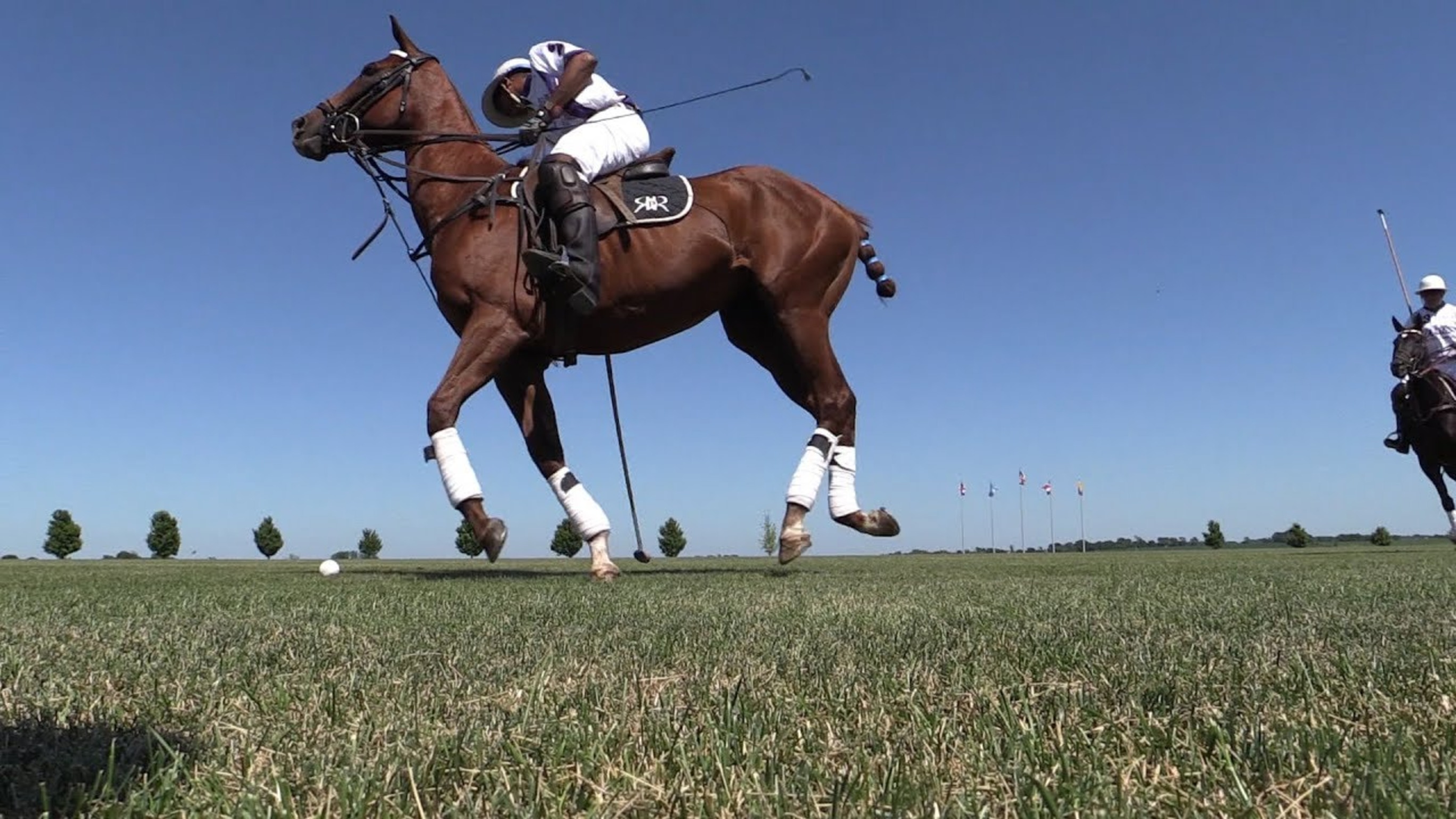
A single high-goal match requires eight to ten ponies per player, since horses get rotated throughout a game to avoid exhausting any one animal, at an average cost of roughly $45,000 to $50,000 each before training, transport, boarding or veterinary care are even factored in.
A genuinely elite horse can run considerably higher, with prices climbing toward six figures for animals capable of competing at the top level.
Multiply that across a full team roster for an entire season and the horse costs alone routinely run into seven figures before any other expense is considered.
That's before accounting for professional players' salaries, which for elite pros with handicaps of seven goals or higher can reach well into six figures annually, plus grooms, veterinarians, trainers, transport logistics for moving horses between tournaments, and the entry fees charged by prestigious clubs simply for the right to compete.
The patron system that makes the sport possible at all
High-goal polo runs almost entirely on patrons, wealthy individuals, usually amateur players themselves with modest handicaps of their own, who fund an entire team's costs in exchange for the chance to play alongside professional players good enough to make them competitive.
Without patrons willing to absorb these costs, in some cases purely for the love of playing rather than any expectation of financial return, high-goal polo as it currently exists simply wouldn't function.
It's a funding model with roots stretching back centuries, from Persian and Mughal emperors underwriting royal teams to the Vanderbilts, Guggenheims and Whitneys who bankrolled American and English polo through the early 20th century.
Unlike most professional sports, where prize money and sponsorship at least theoretically cover a competitive team's costs, high-goal polo's economics run in almost the opposite direction: patrons pay in, rarely expecting to get anything financial back out, treating the enormous cost purely as the price of participation rather than an investment with any expected return.
Access, not talent, is the real barrier
What makes polo genuinely different from most sports isn't that it's expensive to be good at.
Plenty of sports require expensive equipment or years of costly coaching.
It's that the entire structure of the sport, from owning and maintaining a string of horses to gaining membership at the private clubs that control tournament access, sits completely outside the reach of anyone without either substantial wealth or a direct connection to someone who has it.
A supremely talented rider without access to horses, clubs and patrons simply has no realistic path into the sport's highest levels, in a way that doesn't hold true for football, athletics, or most other major sports, where raw talent alone can eventually surface regardless of a person's starting resources.
That's the real story sitting underneath polo's glamorous image of champagne, string bands and beautiful horses: a sport where the biggest competitive advantage was never really about who could ride best, but about who could afford to show up at all.
Does a sport built this explicitly around wealth and access still deserve to be judged purely as an athletic competition, or is the financial barrier itself such a defining feature that it changes what the sport actually is?


