





 0

The Most Important Player on the Pitch Isn't Always the One With the Ball
Watch football the way most casual fans do, following the ball from player to player, and you'll miss most of what actually decides a match.
The player who creates a goal is frequently not the one who scores it, or even the one who provides the final pass.
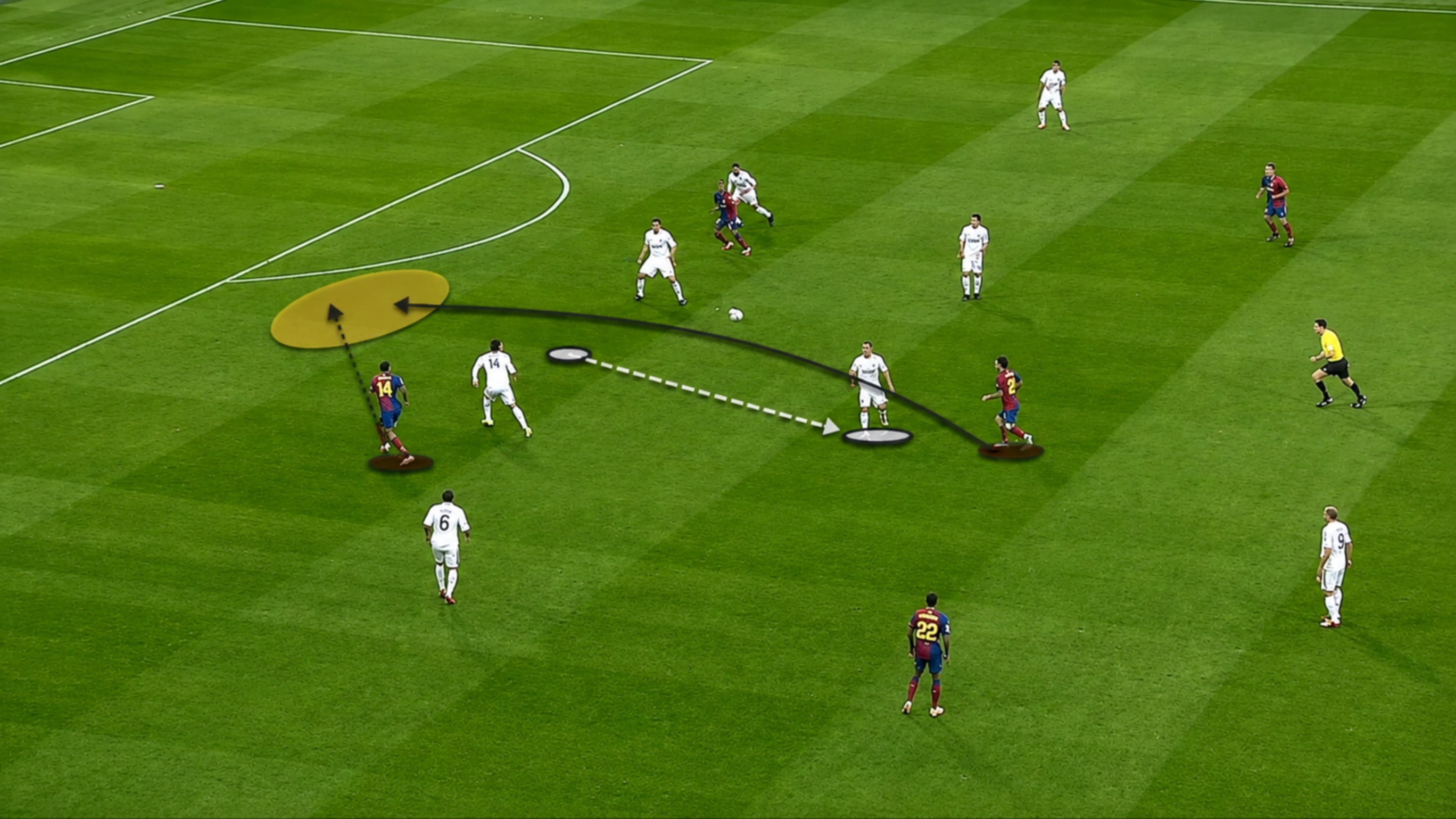
More often, the decisive action happened several seconds earlier, when a teammate made a run that pulled a defender out of position, opened a passing lane, or forced an opponent to make an impossible choice between two threats at once.
Space gets created before it gets used
Elite attacking football runs on a basic principle that's easy to state and hard to actually see happening: a player without the ball can do more to break down a defence than a player with it, simply by moving into a position that forces defenders to react.
A striker checking away from goal can drag a centre-back out of the defensive line, opening space for a midfielder to run into.
A winger cutting inside can pull a full-back with him, creating room on the flank for an overlapping teammate nobody was watching a moment earlier.
None of this shows up clearly on a highlights reel, which almost always cuts straight to the pass and the finish.
The actual tactical work, the run that made the pass possible in the first place, tends to happen just outside the frame, which is part of why casual analysis so consistently overrates the player who received the ball relative to the one who created the opportunity for them to receive it in a dangerous position at all.
Pressing triggers work the same way in reverse
The same logic applies defensively.
Modern pressing systems are built around specific triggers, a pass played backward, a heavy touch, a player receiving the ball with their back to goal, that tell an entire team when to collectively close down space rather than chase the ball individually.
A single player recognising and acting on that trigger a half-second before teammates can compress space dramatically, forcing a mistake that looks, to a casual viewer, like it was caused by whichever player actually won the ball back, when the real work started several passes and several players earlier.
Elite pressing teams drill these patterns relentlessly precisely because the difference between a good and a great press often comes down to positioning and timing invisible to anyone not specifically tracking off-ball movement, rather than raw effort or athleticism.
Why this makes football harder to judge than it looks
This is part of why football analysis built purely around the ball, who has it, who passes it, who shoots it, consistently undervalues players whose contribution is largely about creating and denying space rather than directly handling the ball.
Some of the most tactically valuable players in the world put up modest statistical numbers in goals and assists precisely because their impact shows up in the space their teammates get to exploit, not in their own individual output.
Coaches and serious analysts have increasingly adopted tracking data specifically to try to quantify exactly this kind of invisible contribution, since traditional statistics were never built to capture it.
For a sport that so often gets discussed purely through goals and assists, the actual tactical battle deciding most matches happens somewhere else entirely, in the movements and decisions made in the moments before the ball ever arrives.
Does football's obsession with goals and assists undervalue the players actually doing the most important tactical work, or is directly contributing to a goal simply the fairest way to measure genuine impact?

Sarajevo Back at the Heart of Regional MMA: SFC Returns with Explosive Matchups

How Buzzer Karma Works: Levels, Penalties, and What They Mean
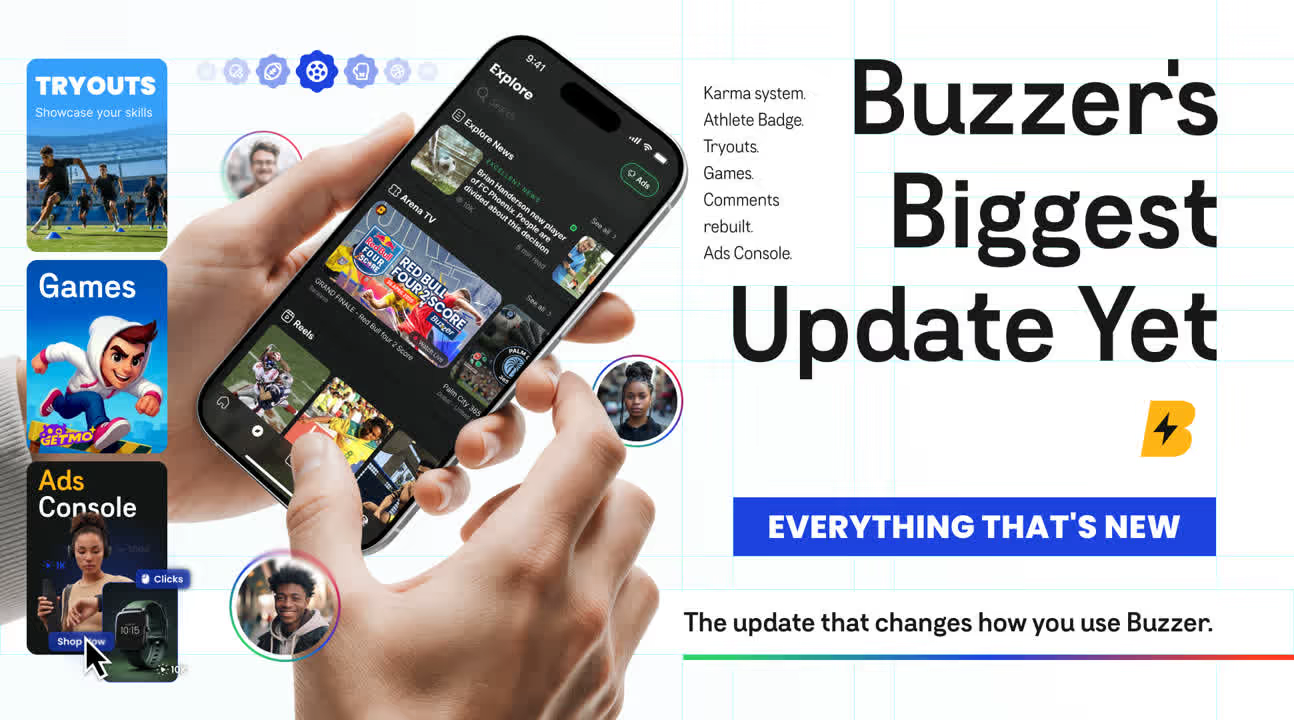
Inside Buzzer's Latest Update (and Why It Changes How You Use the App)

Buzzer Introduces Ads Console: A New Era of Advertising Across the Entire Buzzer Ecosystem

Buzzer Is Evolving: From Quantity to Quality
Al Ittihad SC's Matches Are Now Live on Buzzer

Polo Al Taco Expands Its Global Reach Through Weekly Livestreams on Buzzer Arena TV

Buzzer Now Has a Games Hub, and Tournaments Are Coming
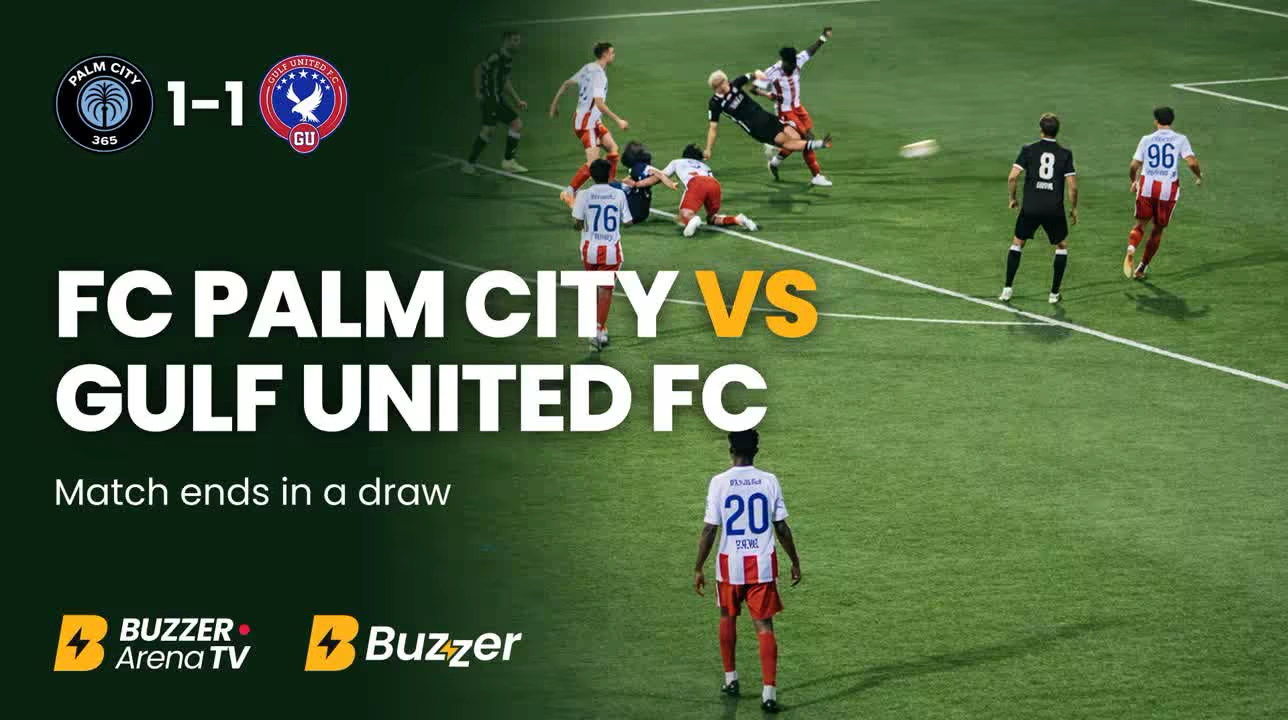
Palm City vs Gulf United Ends in 1–1 Draw in UAE Second Division League Clash
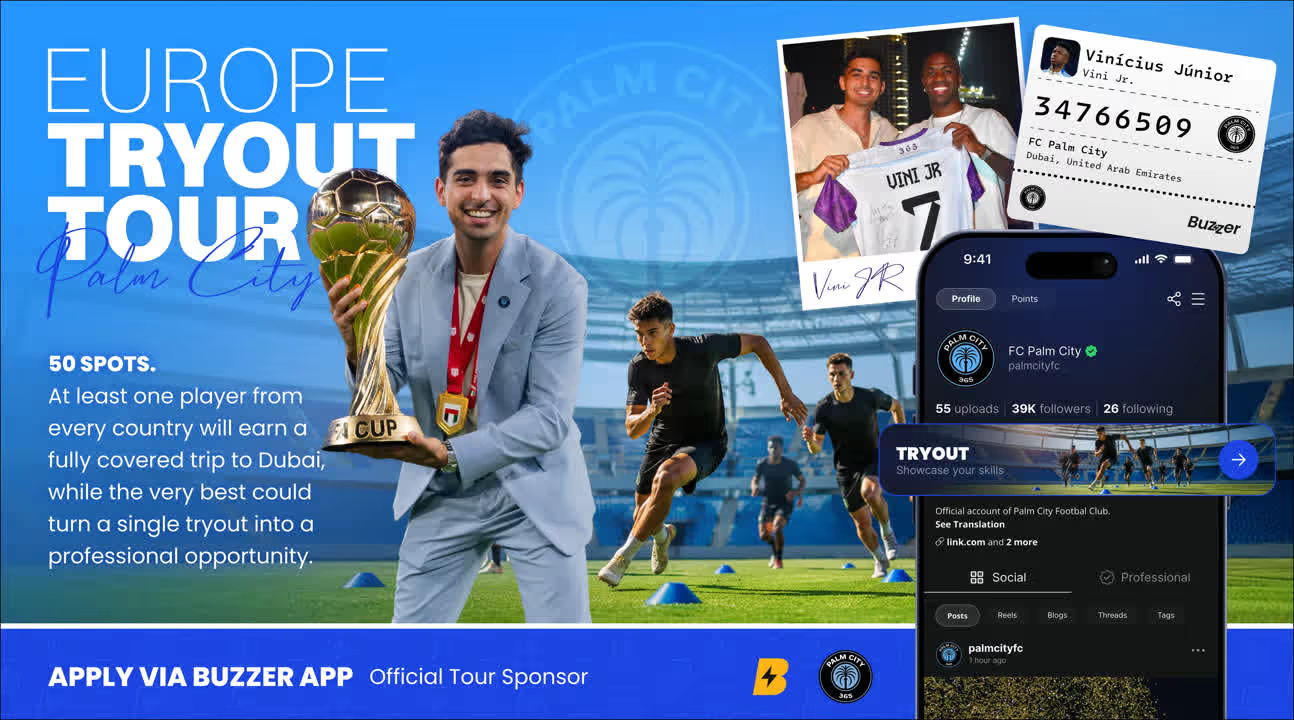
"We Don't Take the Guy With the Camera." He Built His Own Club Anyway. Now He's Coming to Find You.


