





 0
Why Do Boxing Judges Keep Getting Scorecards So Wrong?
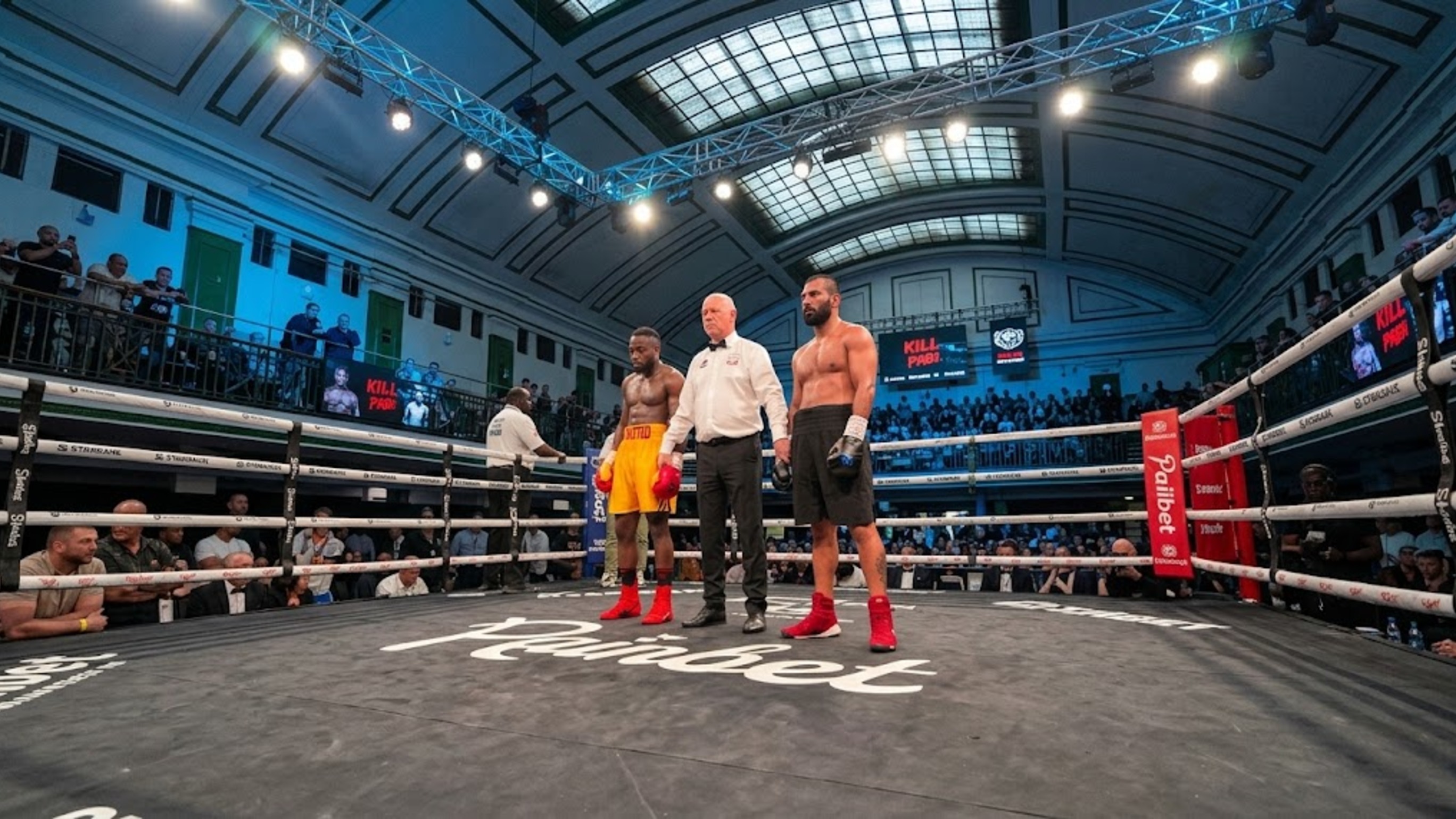
Almost every major boxing match ends the same way: a close fight, a split decision, and half the arena convinced the wrong fighter got their hand raised. This happens so often that fans have started assuming corruption before they assume anything else. The real explanation is less conspiratorial and honestly more frustrating.
The scoring system itself sets a trap
Under the standard 10-point must system, the winner of a round gets 10 points and the loser gets 9 or fewer, regardless of how close or dominant that round actually was. A round won by a razor-thin margin scores exactly the same, 10-9, as a round where one fighter nearly finished the other.
That flattening effect means three judges can watch the exact same close fight, agree on who actually won most of the rounds, and still walk away with wildly different final scores simply because of how narrowly they interpreted a handful of genuinely competitive rounds along the way.
Judges are working from angles fighters don't experience
Ringside judges sit at fixed positions around the ring, which means each judge is physically seeing a different version of the same exchange. A punch that looks clean and telling from one angle can look blocked or glancing from another, and judges have no instant replay available to check their read in real time the way officials in most other sports now do.
That positional problem alone accounts for a meaningful share of scorecard disagreements that fans assume must be bias or incompetence. Sometimes it's simply that two judges genuinely saw two different fights from two different seats.
Why close decisions feel worse in boxing than anywhere else
In most sports, a close, controversial result still leaves both competitors with a tangible record of what actually happened, a final score, a time, a distance. Boxing hands the outcome of an entire fight to three individual humans making subjective, round-by-round judgment calls with no statistical backup and no appeal process once the decision is announced.
That's a genuinely unusual amount of power to place in human hands for a sport built around such brutal physical stakes, and it's a big part of why so many fighters describe a controversial loss as more painful than a clean knockout defeat.
The problem gets worse when rounds are genuinely close
The hardest rounds to score are often not the spectacular ones but the quiet, tactical exchanges where neither fighter clearly dominates. One boxer may land the cleaner punches while the other controls the pace, pressures forward and lands more often to the body. Judges have to decide which of those things mattered most, and there is no universally accepted formula that turns those different forms of success into an objective number.
That leaves room for reasonable disagreement. Two judges can apply the same basic rules in good faith and still produce different scorecards because they placed slightly different weight on accuracy, aggression, defence or ring generalship. For fans watching on television, that nuance is often invisible, making a legitimate judging disagreement look like an outrageous decision.
Should boxing move toward a more detailed, technology-assisted scoring system that tracks landed punches and ring control more precisely, or would that strip away the human judgment that's arguably been part of the sport, for better and worse, since it first started being scored at all?

Sarajevo Back at the Heart of Regional MMA: SFC Returns with Explosive Matchups

How Buzzer Karma Works: Levels, Penalties, and What They Mean

Inside Buzzer's Latest Update (and Why It Changes How You Use the App)

Buzzer Introduces Ads Console: A New Era of Advertising Across the Entire Buzzer Ecosystem

Buzzer Is Evolving: From Quantity to Quality

Buzzer Now Has a Games Hub, and Tournaments Are Coming

Polo Al Taco Expands Its Global Reach Through Weekly Livestreams on Buzzer Arena TV

Al Ittihad SC's Matches Are Now Live on Buzzer

Palm City vs Gulf United Ends in 1–1 Draw in UAE Second Division League Clash

"We Don't Take the Guy With the Camera." He Built His Own Club Anyway. Now He's Coming to Find You.


