





 0

Why Is Badminton So Difficult to Dominate for an Entire Season?
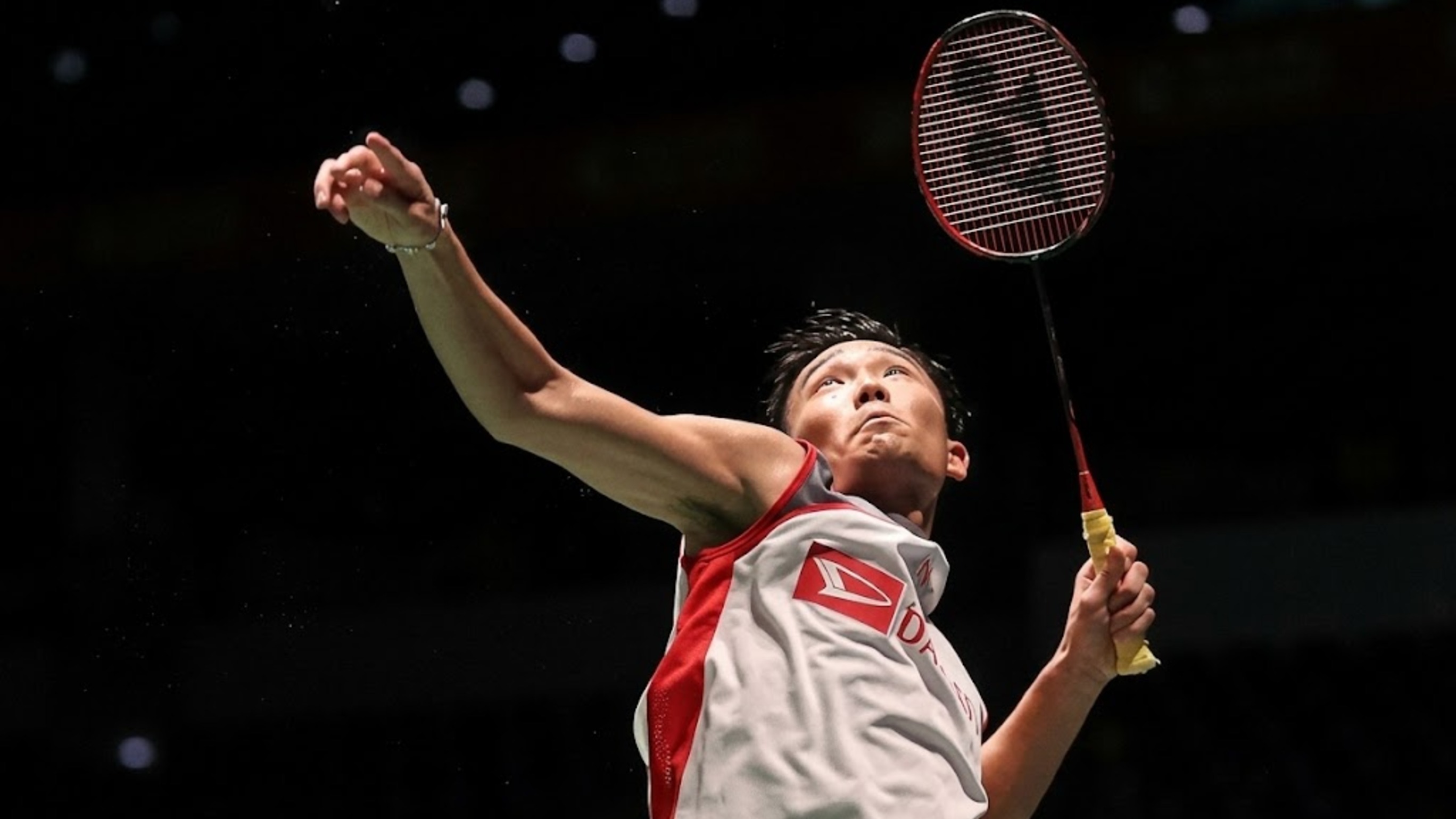
In 2019, Kento Momota won 11 titles on the BWF World Tour. It’s a number that still looks slightly absurd, and it came in a year when he also became world champion.
Nobody else in the modern era has come close to that kind of season, and the reasons are baked into the sport. Badminton is a brutal game to win once, and a nearly impossible one to keep winning week after week.
The speed that punishes the body
Badminton smashes have been clocked above 490 kilometres an hour, which is faster than most people can process. Rallies reward explosive lunges, quick recoveries and constant changes of direction. Players cover the court in short bursts, then reset instantly.
That kind of movement is hard on knees, ankles and backs. A player who lunges hundreds of times a match is absorbing a lot of impact, and the cost builds across a season. Tournaments arrive week after week, often in different countries and time zones.
Recovery becomes a strategic problem. A player who wins on Sunday in one city is expected to be sharp on Tuesday in another, and that’s before travel is counted.
The calendar that doesn’t care
BWF rules oblige top-ranked players to enter the sport’s biggest tour events or risk sanctions. That keeps the stars visible, but it also puts them on the road for most of the year. There’s little room to rest.
The result is that a single bad week, a minor injury or a bout of jet lag can end a title run. A player can be the best in the world and still lose in the second round to someone who’s fresh and fearless.
That’s one reason badminton champions often look different from tournament to tournament. The sport’s depth is real, especially in Asia, where players like Indonesia’s rising names compete against Chinese, Japanese and Danish rivals, all with similar skills. Margins are tiny.
Why Momota was the exception
Momota’s 2019 worked because several things lined up. He was healthy, he was supremely consistent, and he had a defensive game that tired opponents out. He was hard to hit through, which meant even a good night for a challenger often wasn’t enough.
Viktor Axelsen offers a different version of dominance. The Danish star won Olympic gold in Tokyo and again in Paris, which proves he can peak when it matters most. But Olympic cycles are four years apart, and winning two of them is different from winning every week.
Dominance in badminton tends to come in bursts, not in full seasons. A player might own a spring or a summer, then be overtaken by injury or a younger rival. Momota’s year stands out because it didn’t fade.
What makes a consistent champion
Tactical adaptability is a big part of it. Rival coaches study video constantly, and a pattern that works in March gets figured out by June. Consistent winners keep adding shots and variations.
Physical durability matters just as much. Players who manage load carefully, rest at the right moments and avoid long injuries stay in contention longer. That often means skipping events when the schedule allows it, which costs ranking points.
Mental resilience may be the least visible piece. Winning week after week means walking onto court as the favourite every time, with everyone trying to beat you. Few players handle that for twelve months.
The flip side is that the unpredictability is part of the appeal. Fans in Indonesia, India, Denmark and beyond never quite know who’ll be standing at the end of the week. That’s a feature, even if sponsors would love a single superstar.
So would badminton be better with one dominant figure, the way tennis once had its big names, or is the revolving door of champions the sport’s best feature?

Sarajevo Back at the Heart of Regional MMA: SFC Returns with Explosive Matchups

How Buzzer Karma Works: Levels, Penalties, and What They Mean

Inside Buzzer's Latest Update (and Why It Changes How You Use the App)

Buzzer Introduces Ads Console: A New Era of Advertising Across the Entire Buzzer Ecosystem

Buzzer Is Evolving: From Quantity to Quality

Al Ittihad SC's Matches Are Now Live on Buzzer

Polo Al Taco Expands Its Global Reach Through Weekly Livestreams on Buzzer Arena TV

Buzzer Now Has a Games Hub, and Tournaments Are Coming

Palm City vs Gulf United Ends in 1–1 Draw in UAE Second Division League Clash

"We Don't Take the Guy With the Camera." He Built His Own Club Anyway. Now He's Coming to Find You.


