





 0
Noah Lyles Won't Be There. That Changes the Ultimate Championships
Noah Lyles ran the fastest 100m time in the world this year, a 9.79 at US nationals in July. He's also not competing at this week's World Athletics Ultimate Championships, a brand-new $10 million meet built specifically around gathering the sport's biggest stars. He chose to protect his body over chasing the prize money, and that decision says a lot about where his priorities actually sit.
What actually happened to Lyles
Lyles pulled up mid-race in the 200m final at US nationals in July, grabbing his hamstring. He initially believed it was minor, describing it afterward as a "small strain." But the injury didn't resolve the way he expected. "The rehab that we were putting together was going extremely well," Lyles said. "Unfortunately, because of the strain, it caused some other things to flare up, and it's made it hard for me to continue practising."
By early September, he'd made the call to shut his season down entirely rather than risk further damage trying to compete in Budapest.
The money he's walking away from
Every gold medal at the Ultimate Championships pays $150,000, and Lyles was widely expected to be one of the meet's biggest draws across both the 100m and 200m. Walking away from that kind of payday, in an event specifically designed to reward the sport's top stars, isn't a small sacrifice.
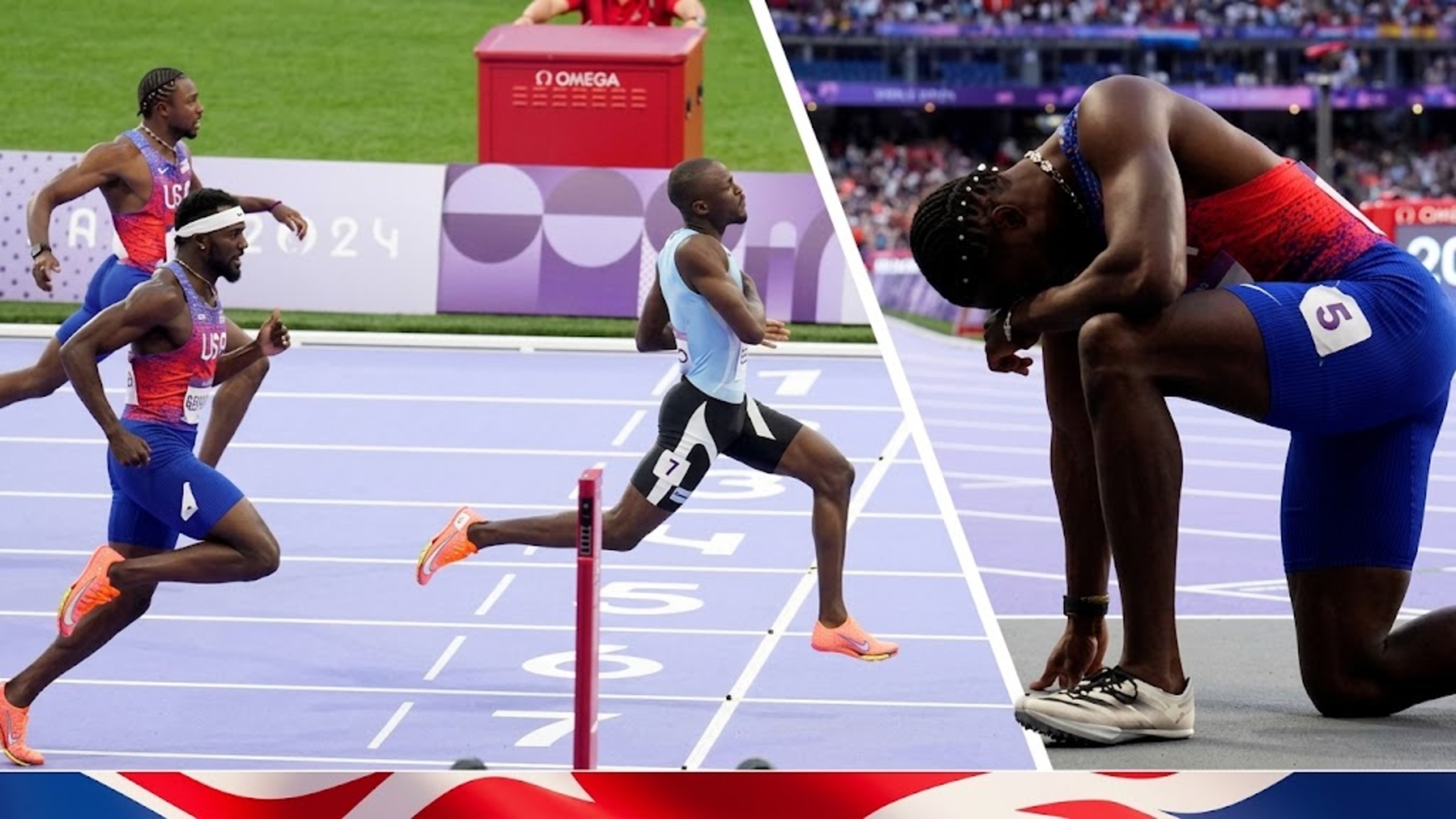
His absence opens the door for Kenny Bednarek and Botswana's Letsile Tebogo, the reigning Olympic 200m champion from the night Lyles finished third after revealing he'd been racing with COVID-19, to headline the sprints in his place.
Why Lyles chose to step back instead of push through
Lyles is 29, a four-time world champion in the 200m and an Olympic gold medalist in the 100m. He's not an athlete chasing a first big moment, he's one managing a career that's already made him one of the sport's defining figures. That perspective seems to have shaped his decision here.
Rather than disappear entirely, Lyles said he'll still be in Budapest working as an emcee and "creative adviser" for the event, a role that lets him stay connected to the meet without risking the injury getting worse.
That makes his decision more interesting than a simple withdrawal. Lyles is not rejecting the event itself; he's choosing a different way to be part of it. He can still help shape the atmosphere and promote the new competition while making sure one injury doesn't become a much bigger problem later in his career. For an athlete with years still ahead of him, that may ultimately be worth more than one big payday.
What his absence says about the sport right now
Athletes skipping competitions to protect long-term health has become a bigger conversation across nearly every sport, and Lyles choosing to sit out a brand-new, high-profile, high-money event is a fairly public version of that same calculation.
If one of the sport's biggest stars is willing to walk away from a $150,000 payday to protect his body, does that set a healthier example for athletics as a whole, or does it just underline how much pressure every other athlete in Budapest is under to compete anyway?

Sarajevo Back at the Heart of Regional MMA: SFC Returns with Explosive Matchups

How Buzzer Karma Works: Levels, Penalties, and What They Mean

Inside Buzzer's Latest Update (and Why It Changes How You Use the App)

Buzzer Introduces Ads Console: A New Era of Advertising Across the Entire Buzzer Ecosystem

Buzzer Is Evolving: From Quantity to Quality

Buzzer Now Has a Games Hub, and Tournaments Are Coming

Polo Al Taco Expands Its Global Reach Through Weekly Livestreams on Buzzer Arena TV

Al Ittihad SC's Matches Are Now Live on Buzzer

Palm City vs Gulf United Ends in 1–1 Draw in UAE Second Division League Clash

"We Don't Take the Guy With the Camera." He Built His Own Club Anyway. Now He's Coming to Find You.


