





 0
South Africa Beat New Zealand Again. Has the Balance of Power Finally Shifted in Rugby?
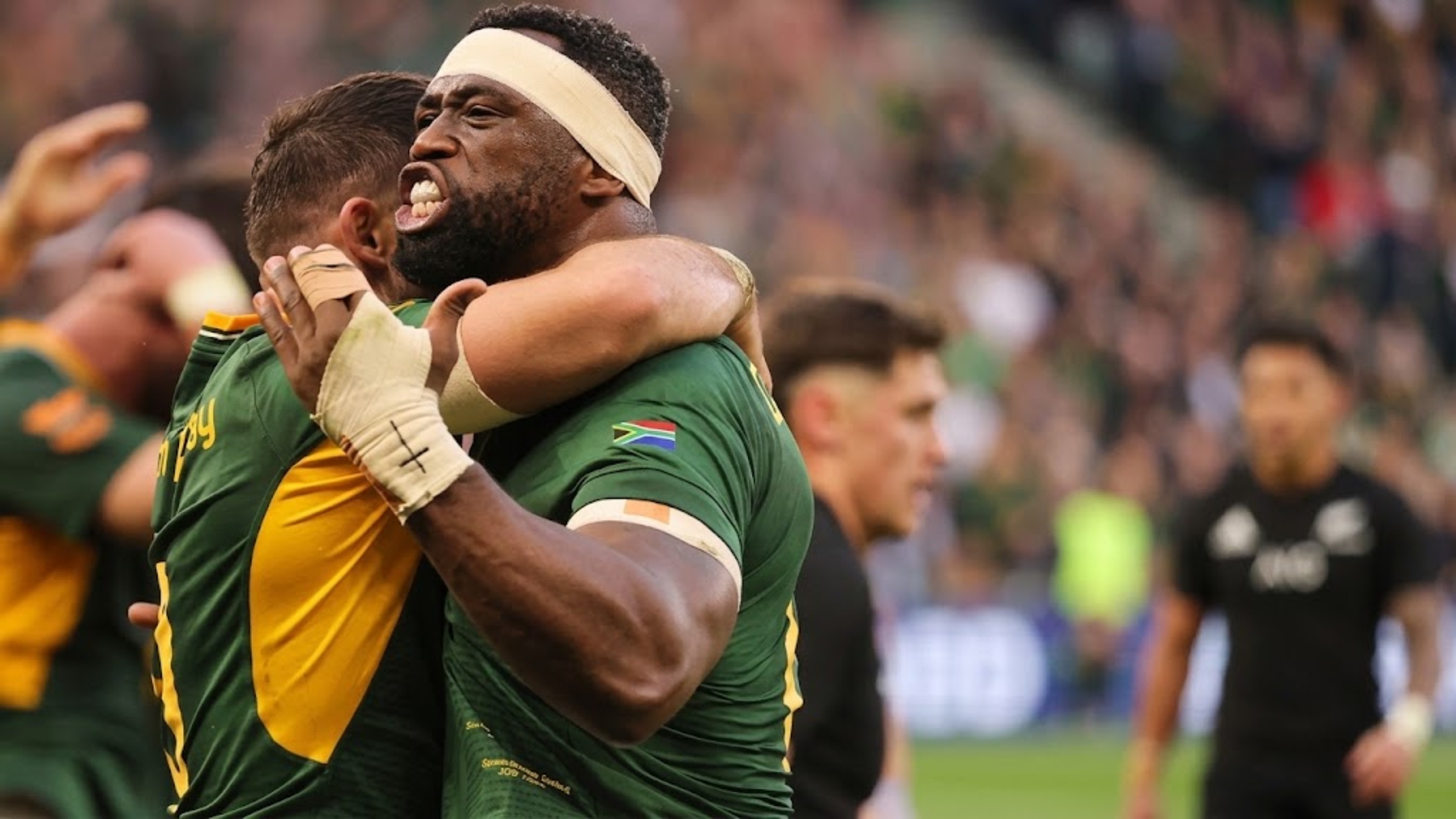
South Africa beat New Zealand 29-24 in Johannesburg, a result that puts the Springboks 2-1 up in their historic four-Test series with one match left. It's the first time in the series they've matched the All Blacks try for try, and they're now one win away, in Baltimore next weekend, from their first series victory over New Zealand since 1976.
Head coach Rassie Erasmus was characteristically blunt about how close it actually was. "There was a lot of luck that went our way," he admitted, even in victory.
Why this specific win looks different from South Africa's usual formula
New Zealand captain Ardie Savea scored twice inside the first half hour, and the All Blacks led for most of the match before South Africa's forward power finally took over. That's a familiar Springbok pattern: grinding down an opponent physically over 80 minutes rather than matching them stride for stride early. What's different this time is that South Africa also matched New Zealand's try count, suggesting a more complete attacking performance than their typical set-piece-heavy formula alone would produce.
A penalty try from a dominant scrum, and a driving lineout maul finished by Malcolm Marx, still did much of the heavy lifting, but the scoreline reflects genuine balance rather than pure defensive attrition.
Why New Zealand's misfortune shouldn't be discounted
Savea, the All Blacks' captain and clear physical leader, was lost to a suspected shoulder injury after just 30 minutes, removing New Zealand's most influential player for the remainder of the match and likely the series finale. Opposite kicker Ruben Love also missed seven of nine shots at goal, a discipline gap that directly cost New Zealand points they'll wish they had back.
That combination, losing your best player early and missing kickable chances, makes it genuinely difficult to separate "South Africa got significantly better" from "New Zealand had a specifically bad day at exactly the wrong moment."
Why one result still doesn't settle a century-long question
Springboks versus All Blacks has traded periods of dominance back and forth for generations, and a single test win, even a series-defining one, has rarely been enough on its own to declare a lasting shift in the broader balance of power between these two nations. New Zealand can still draw the series in Baltimore, and Savea's likely absence there gives South Africa a real tactical advantage heading into the finale, not a guaranteed victory.
That uncertainty, even with South Africa clearly ahead, is part of what's kept this rivalry so durable across generations.
What a series win specifically would actually mean
South Africa hasn't beaten New Zealand in a full series since 1976, a genuinely historic drought by the standards of this rivalry. Closing it out in Baltimore, in the first-ever meeting between these two nations on American soil, would carry symbolic weight well beyond the immediate result, a changing of the historical guard delivered in the exact new market rugby is trying to grow into.
South Africa is one win away from ending a 50-year series drought against their fiercest rival. Is this genuinely the moment the balance of power shifts for good, or is New Zealand, even without Savea, still capable of proving this era's parity runs both ways?

Sarajevo Back at the Heart of Regional MMA: SFC Returns with Explosive Matchups

How Buzzer Karma Works: Levels, Penalties, and What They Mean

Inside Buzzer's Latest Update (and Why It Changes How You Use the App)

Buzzer Introduces Ads Console: A New Era of Advertising Across the Entire Buzzer Ecosystem

Buzzer Is Evolving: From Quantity to Quality

Buzzer Now Has a Games Hub, and Tournaments Are Coming

Al Ittihad SC's Matches Are Now Live on Buzzer

Palm City vs Gulf United Ends in 1–1 Draw in UAE Second Division League Clash

"We Don't Take the Guy With the Camera." He Built His Own Club Anyway. Now He's Coming to Find You.

Building the Infrastructure Sports Tech Forgot


 3


