




 0
0
The Captain Leading His Country to Only Its Second World Cup
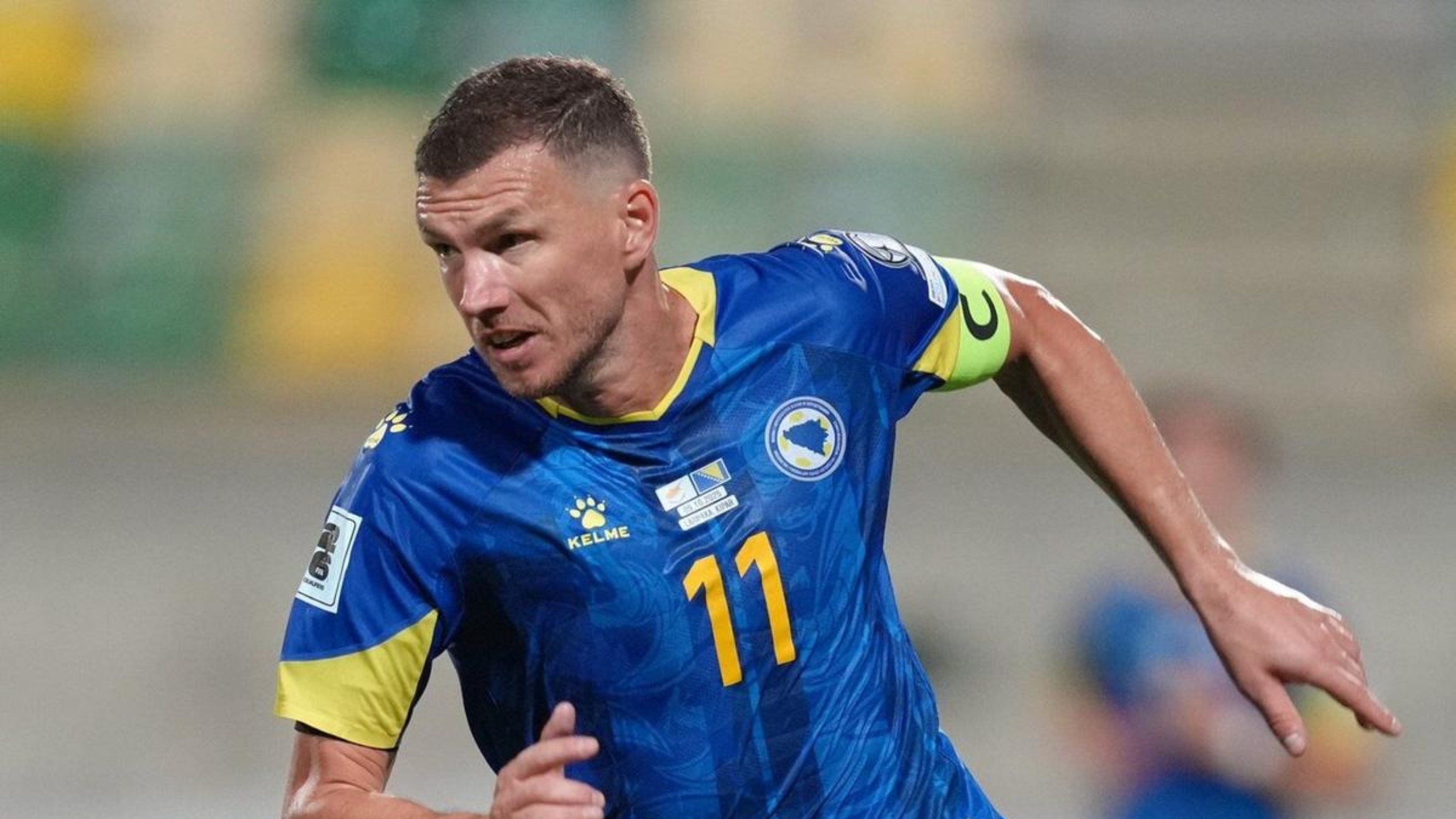
Bosnia and Herzegovina has qualified for the FIFA World Cup exactly twice in its history as an independent nation, first in 2014 and again for 2026.
Both times, the captain wearing the armband has been the same player: Edin Dzeko, the country's all-time leader in both caps and goals.
A career built almost entirely around his country
Dzeko made his international debut for Bosnia in June 2007 and has gone on to earn 148 caps, scoring 73 goals along the way, both national records by a wide margin.
He has played for major European clubs including Manchester City, Roma and Inter Milan, but has never missed an opportunity to represent Bosnia when fit and available, treating the national team as a genuine priority rather than an afterthought squeezed around a club career.
A nation still rebuilding what football lost
Bosnia's football infrastructure was devastated during the 1992 to 1995 war, with stadiums damaged and youth development effectively paused for years while the country dealt with far more urgent concerns.
The national team itself wasn't formed until days after the war ended in November 1995.
That the country has produced a World Cup qualifier twice since, let alone a player of Dzeko's caliber, reflects a football culture that rebuilt itself from close to nothing.
One more run at forty
Dzeko turned 40 in early 2026, an age at which almost no elite international forward is still starting matches for a World Cup squad.
His continued presence as captain isn't sentimental selection. He remains Bosnia's most reliable attacking threat, and his experience leading a squad at this level matters for a team still building consistent tournament pedigree.
Bosnia opened their 2026 campaign with a 1-1 draw against co-hosts Canada.
A federation still finding its footing
Bosnia's football association has faced its own share of internal turmoil over the years, including leadership disputes and funding challenges that have occasionally overshadowed the national team's on-field progress.
That instability makes Dzeko's steady, decade-plus presence as captain even more significant, giving the program a consistent public face at a time when the federation behind him hasn't always offered the same stability.
Younger players coming through the squad have repeatedly credited Dzeko's professionalism and preparation habits as a direct influence on how they approach their own careers, a mentorship role that may end up mattering as much as his goals once he does eventually retire.
Bosnian football writers have already begun discussing what the post-Dzeko era might look like, a conversation the federation has largely avoided having in public given how central he remains to the team's current identity.
Whoever eventually succeeds him as captain will do so without the benefit of his caps, his goals, or the two decades of institutional knowledge he's built up representing the country at every level of competition.
Is there a point where sentiment and loyalty to a legendary captain should give way to building around younger players instead, or has Dzeko earned the right to decide that himself?


