





 0
F1 Adds 10 Sprint Weekends for 2027. Is Formula 1 Turning Every Race Weekend Into a Bigger Show?
Formula 1 just put a Sprint race at Monaco.
Read that again. Monaco, the tightest, most unforgiving street circuit on the calendar, a track so hard to overtake on that Nelson Piquet once compared it to riding a bicycle around a living room. That track is getting a second competitive session in 2027, alongside a record 10 Sprint events across the season, up from six.
Once that lands, the question fans should actually be arguing about isn't "how many races." It's whether F1 has quietly redefined what a Grand Prix weekend is even for.
The number that matters isn't 10; it's Monaco
Adding a Sprint to Silverstone or Austin makes obvious sense. Those tracks reward aggressive racing and produce entertaining Sprints most years. Monaco doesn't work that way. Qualifying position is close to destiny there, and a Sprint weekend swaps out a practice session for another qualifying-heavy sprint format that could easily produce another procession.
So why do it? Because Domenicali has pointed to race weekend attendance, citing 150,000 fans at Silverstone on the Friday of a Sprint weekend as evidence fans want more competitive track time, not less. Monaco already sells out regardless of the racing. Putting a Sprint there isn't about improving the show on-track. It's about giving F1's highest-profile weekend an extra ticketed session to sell.
That's the tell. This isn't purely a sporting decision anymore.
From three races to two Sprints a month
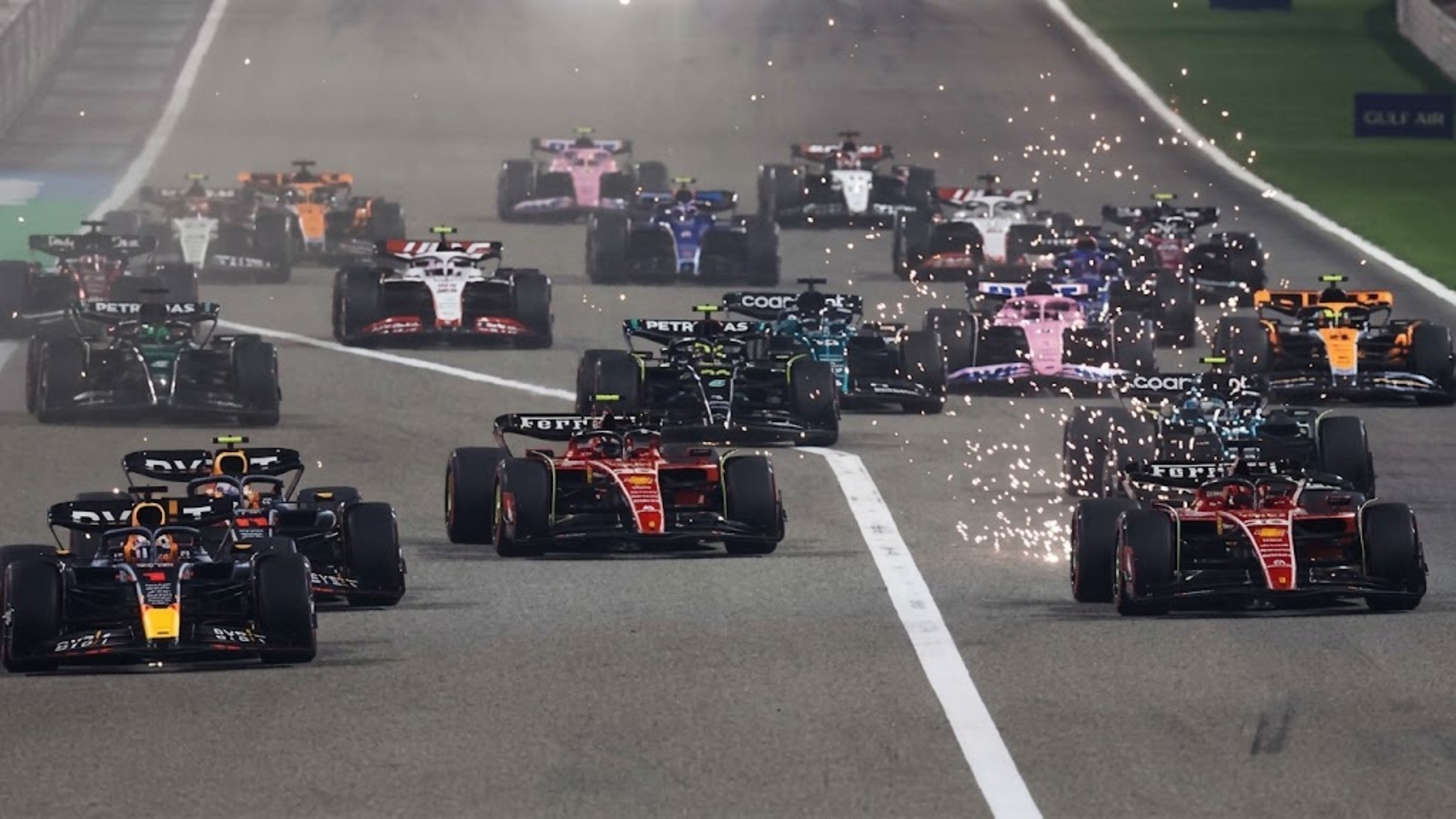
F1 and the FIA officially confirmed the 2027 calendar on September 16, with 24 races and 10 Sprints across 22 countries. Three of the first four race weekends alone will carry the Sprint format, in Bahrain, Australia and Japan, meaning the season effectively opens with fans getting a taste of double racing almost every week for a month.
"We are thrilled to welcome Portugal and Türkiye to the championship and to expand sprint racing to ten events, giving our fans even more intensity, drama, and the wheel-to-wheel action that make our sport so special," Domenicali said in the announcement.
The argument for it
Sprint weekends do produce more meaningful on-track time. A regular Friday of two practice sessions is mostly setup work and long runs, genuinely dull unless you're deep into telemetry. A Sprint qualifying session and a Sprint race, by contrast, are short, punchy, and carry real stakes from the moment the lights go out.
For a sport chasing younger, more casual fans through platforms built on short-form highlights, that trade makes sense. Nobody clips a Friday long run for social media. People clip Sprint start crashes.
What this decision actually reveals
F1 isn't just adding races. It's redefining what fans are paying for when they buy a ticket or renew a streaming subscription. The Grand Prix used to be the product, with everything else as buildup. Increasingly, the entire weekend is the product, and the Sunday race is just the headline act in a longer show.
Whether that's a good trade depends entirely on what you go to a race weekend for in the first place.
If more racing every weekend makes for a better show, should F1 keep pushing toward a Sprint at every single round, or does something get lost once the Grand Prix stops being the only thing that matters?

Sarajevo Back at the Heart of Regional MMA: SFC Returns with Explosive Matchups

How Buzzer Karma Works: Levels, Penalties, and What They Mean

Inside Buzzer's Latest Update (and Why It Changes How You Use the App)

Buzzer Introduces Ads Console: A New Era of Advertising Across the Entire Buzzer Ecosystem

Buzzer Is Evolving: From Quantity to Quality

Buzzer Now Has a Games Hub, and Tournaments Are Coming

Al Ittihad SC's Matches Are Now Live on Buzzer

Palm City vs Gulf United Ends in 1–1 Draw in UAE Second Division League Clash

"We Don't Take the Guy With the Camera." He Built His Own Club Anyway. Now He's Coming to Find You.

Building the Infrastructure Sports Tech Forgot


