





 0

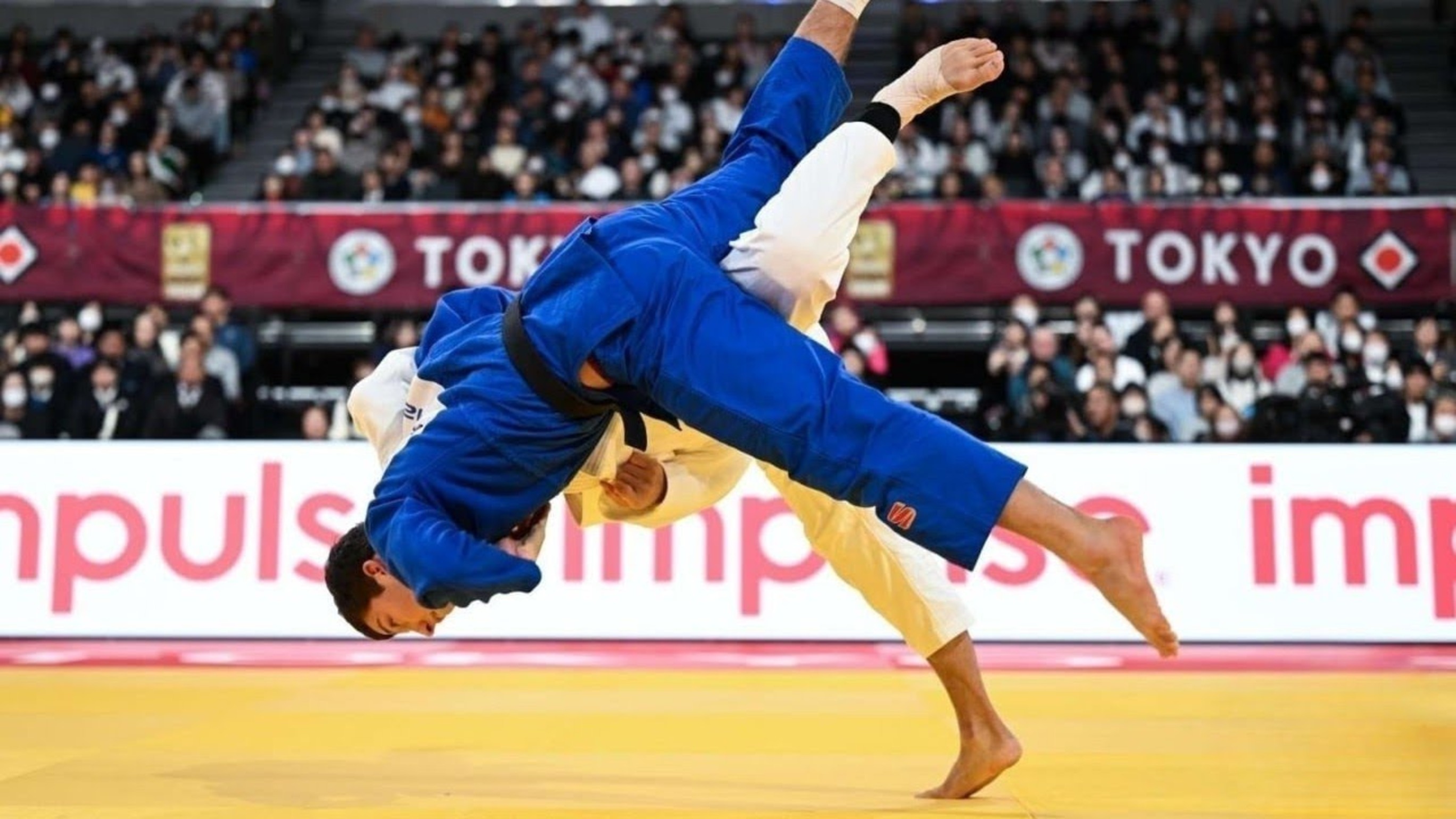
Japan Keeps Producing Judo Champions. What Makes Its System So Difficult To Match?
Sotaro Fujiwara won the men's 81kg gold at the Asian Games on Thursday and said he was relieved. Being a Japanese judoka, he said, means living in a world where people expect results. That's one of the most honest descriptions of Japanese judo you'll find.
Fujiwara was not alone. On the same day, Narumi Tanioka won the women's 63kg and Rin Maeda won the women's 70kg, both for Japan. By the IJF's count early in the event, Japan had four golds and three bronzes, and the competition wasn't finished.
The numbers behind the habit
Japan sits first on the all-time Asian Games judo table, with 61 golds and 133 medals. That's a lead built across decades, and it tells you something about consistency. It's much harder to stay on top for forty years than to win for a single cycle.
Hangzhou gave a recent snapshot. Japan won the women's 48kg through Natsumi Tsunoda, the men's 66kg through Ryoma Tanaka, the women's 63kg through Miku Takaichi and the women's 70kg through Shiho Tanaka, plus the mixed team gold.
Now look at this year. The women's 63kg and 70kg titles went to Tanioka and Maeda, two different athletes from the ones who won in Hangzhou. Japan didn't just win the same categories again. It won them with new people.
The weight of expectation
Fujiwara's comment about expectation matters, because the Japanese system doesn't just produce winners. It produces winners who feel they have to win. In front of a home crowd, in the country where judo was born, the pressure doesn't come from rivals so much as from the sport's own history.
Maeda handled it at 21. She was bitten on the arm in her quarter-final, won the bout when her opponent was disqualified, and then took gold by beating Kazakhstan's Azhar Askhat in the final. That's composure under unusual circumstances.
It also shows how much the home setting shapes this event. Nagoya's Aichi International Arena is a few hours from where much of Japan's judo tradition developed, and the crowd knows the sport well.
Can anyone catch up?
The chasing countries aren't standing still. Uzbekistan, Mongolia, Kazakhstan, Korea and China are all winning medals in Nagoya, and the IJF's own words about the diversity of Asian judo reflect that. Uzbekistan's Sita Kadamboeva beat Korea's Jang Seyun for the women's 52kg title, which Japan didn't win.
But catching Japan over a whole Games is a different challenge from beating it in one category. Japan has the school base, the historical weight, the selection pressure and a steady flow of new talent. The rest of the continent has some of those things, and a few have them in growing amounts.
Whether that's enough depends on what you think builds a judo nation. If it's culture and infrastructure, Japan's lead will last for a long time. If it's a handful of dedicated programmes and a few exceptional athletes, the gap could close faster than the medal table suggests.
So can any country build a system that out-competes Japan's in judo, or is the real race at the Asian Games the one for second place?

Sarajevo Back at the Heart of Regional MMA: SFC Returns with Explosive Matchups

How Buzzer Karma Works: Levels, Penalties, and What They Mean

Inside Buzzer's Latest Update (and Why It Changes How You Use the App)

Buzzer Introduces Ads Console: A New Era of Advertising Across the Entire Buzzer Ecosystem

Buzzer Is Evolving: From Quantity to Quality

Al Ittihad SC's Matches Are Now Live on Buzzer

Polo Al Taco Expands Its Global Reach Through Weekly Livestreams on Buzzer Arena TV

Buzzer Now Has a Games Hub, and Tournaments Are Coming

Palm City vs Gulf United Ends in 1–1 Draw in UAE Second Division League Clash

"We Don't Take the Guy With the Camera." He Built His Own Club Anyway. Now He's Coming to Find You.


