





 2
The WNBA Just Lost Nneka Ogwumike. What Happens When a League's Founding Stars Start Leaving?
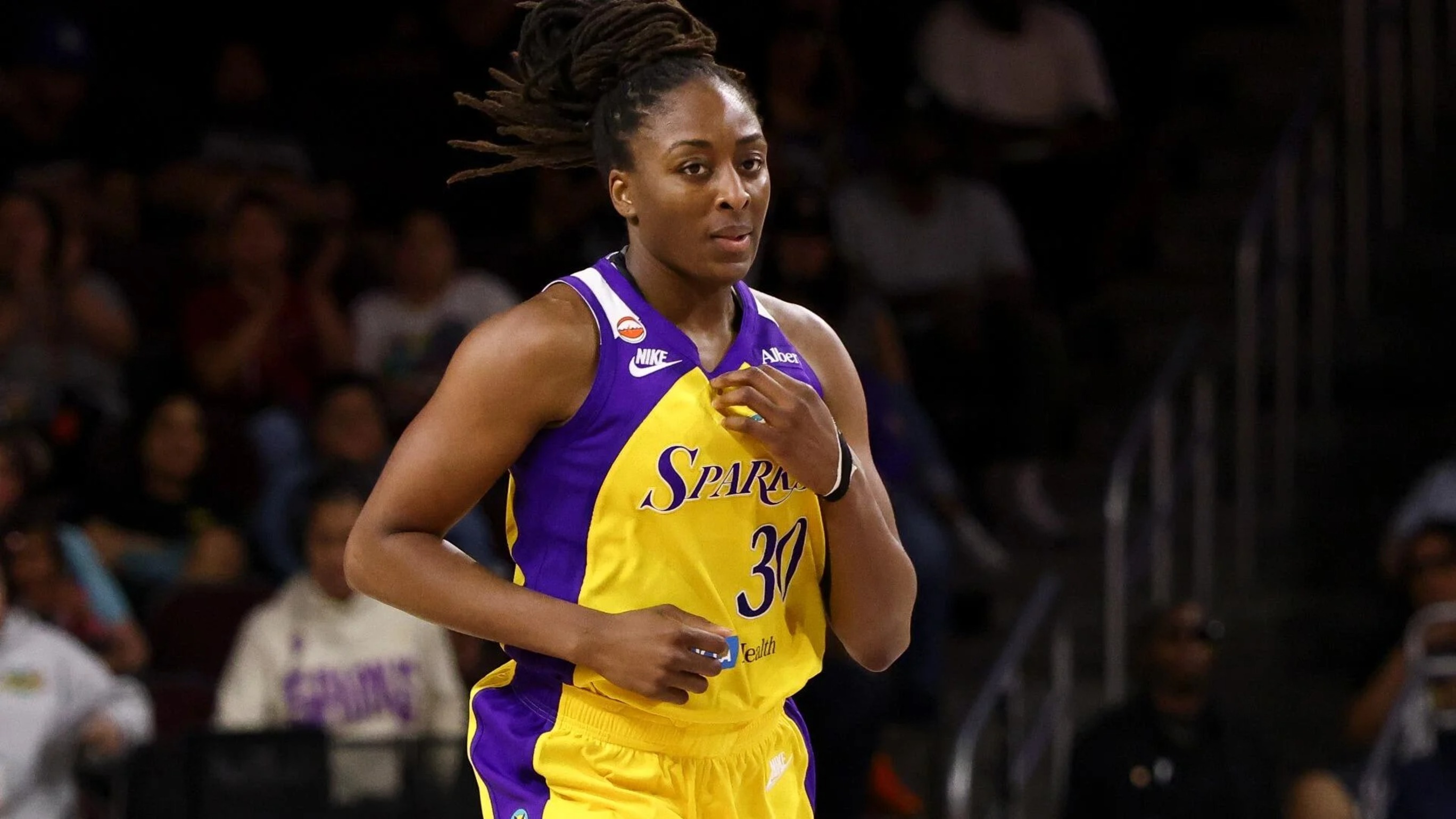
Nneka Ogwumike played what may have been her final regular-season game this year, closing out a 15-season career that began when the Los Angeles Sparks took her first overall in the 2012 draft. She announced back in August that 2026 would be her last season, and with the Sparks missing the playoffs, her final regular-season appearance carries a real chance of being the last game of her career altogether.
The numbers alone tell you what the league is losing. Ogwumike sits fourth all-time in WNBA scoring and third in rebounding, with 129 career double-doubles putting her seventh on that list as well. She won Rookie of the Year in her debut season, league MVP in 2016, and a championship that same year with the Sparks. Eleven All-Star selections and eight All-WNBA nods round out a resume that places her among the most complete players the league has ever produced.
More than a stat line
What made Ogwumike's exit different from a typical retirement announcement is the reason behind it. She's spoken about feeling genuinely content with what she accomplished, not forced out by declining performance, still averaging close to 17 points a night in her final season. "I just feel like I have poured as much as I could into this game," she said. That's a rare way for a great career to end, on the player's own terms rather than the league's.
Her influence off the court may end up outlasting anything she did on it. As president of the WNBA players' union, Ogwumike played a central role in negotiating the league's transformative new collective bargaining agreement earlier this year, work that will shape the financial reality for every player who comes after her, most of whom will never have played alongside her at all.
Why this transition matters more than most
The WNBA is in the middle of its biggest growth period in league history, with expansion franchises, record attendance and a new generation of stars, Angel Reese, A'ja Wilson, Paige Bueckers, driving unprecedented attention. Ogwumike has played alongside almost the entire arc of that history, from an era when the league's survival was genuinely uncertain to the one it's living through now. She's spoken herself about playing across generations, from Maya Moore and Tina Thompson through to the players defining the league today.
That kind of bridge is hard to replace. Every league eventually loses the players who were there for its hardest, least glamorous years, and something is always lost in that transition beyond the box score production, an institutional memory of what the fight actually cost.
What comes next
The Sparks will move forward without her, likely retooling around a younger core. The union she helped lead will keep working under the framework she helped build. Ogwumike's own next chapter, whatever it turns out to be, will unfold away from a basketball court for the first time in over two decades.
When a league's longest-serving stars retire not because they've declined but because they've simply decided they're finished, does that say something better about how far the sport has come than any attendance record could?

Sarajevo Back at the Heart of Regional MMA: SFC Returns with Explosive Matchups

How Buzzer Karma Works: Levels, Penalties, and What They Mean

Inside Buzzer's Latest Update (and Why It Changes How You Use the App)

Buzzer Introduces Ads Console: A New Era of Advertising Across the Entire Buzzer Ecosystem

Buzzer Is Evolving: From Quantity to Quality

Buzzer Now Has a Games Hub, and Tournaments Are Coming

Polo Al Taco Expands Its Global Reach Through Weekly Livestreams on Buzzer Arena TV

Al Ittihad SC's Matches Are Now Live on Buzzer

Palm City vs Gulf United Ends in 1–1 Draw in UAE Second Division League Clash

"We Don't Take the Guy With the Camera." He Built His Own Club Anyway. Now He's Coming to Find You.


