





 0
What Happens When a Champion's Body Starts Saying No?
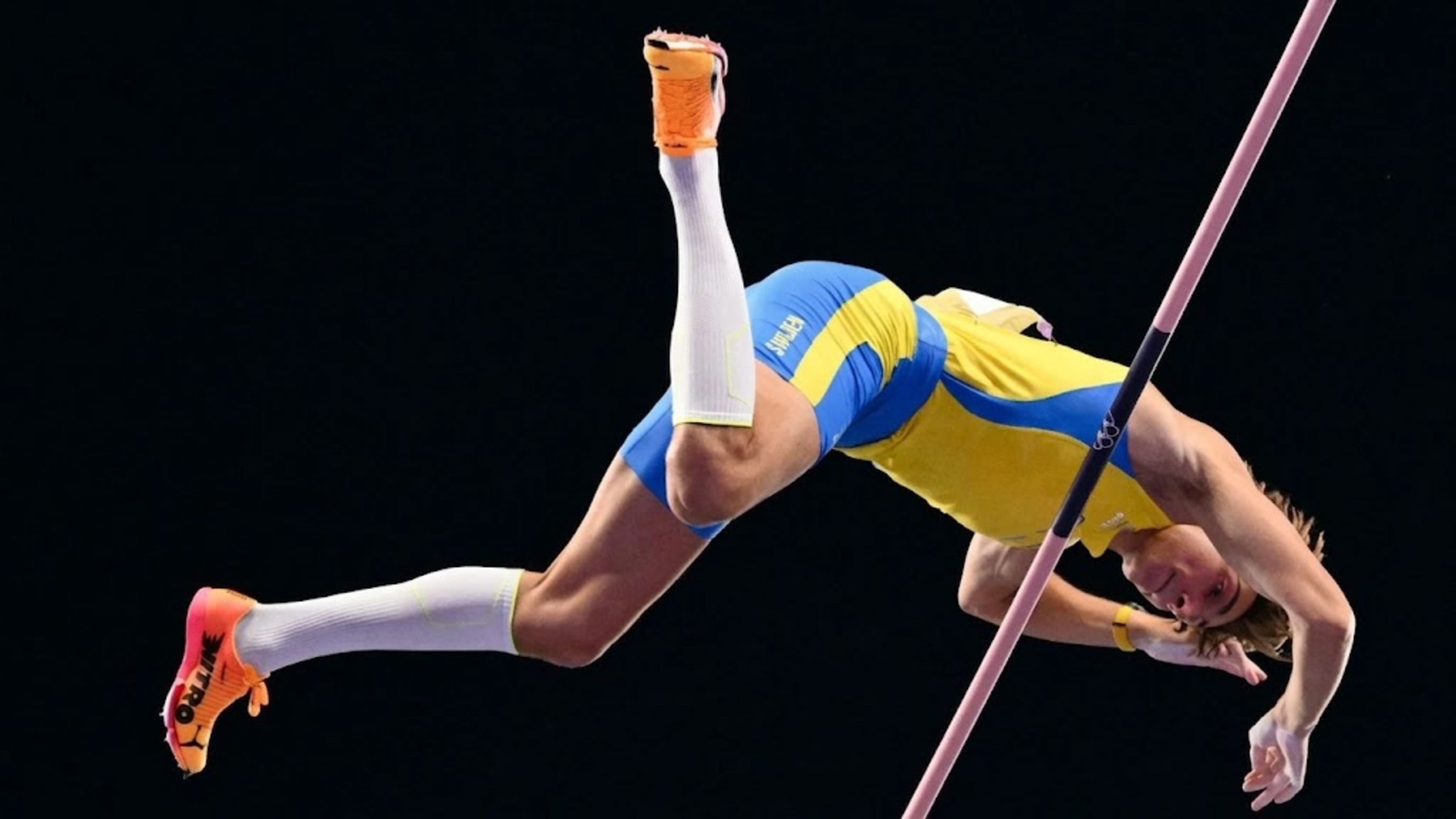
Mondo Duplantis walked out for the Diamond League Final in Brussels, gathered his poles, and told officials he wasn't going to compete. Minutes before his event was set to begin, the world record holder pulled out with tightness that had spread from his back into his legs. It was the second time in two months he's had to withdraw from a major meet with the same kind of recurring issue.
He first felt it in London in July. It settled, he trained through it, and then it returned in Zurich just a week before Brussels. "I pushed through it, probably a little bit too much," Duplantis admitted afterward. Now he's a genuine question mark heading into the sport's newest and richest championship.
A pattern, not an isolated incident
One withdrawal can be treated as bad luck. Two, from the same general area of the body, over a compressed stretch of the season, starts to look like something the athlete and his team need to actually manage rather than simply push through. Duplantis has been open that the sensation has come and gone throughout the season, which suggests this isn't a fresh acute injury so much as a chronic issue that keeps flaring at the worst possible moments.
His agent's public comments have stayed carefully optimistic without offering real clarity, saying only that Duplantis is receiving appropriate treatment and that the team plans to travel to Budapest regardless of what happens between now and then.
The timing couldn't be worse
The World Athletics Ultimate Championships in Budapest is a brand new competition, carrying a $10 million total prize fund with $150,000 going to each individual event champion, the largest single-event payday in track and field history. Duplantis is one of the sport's biggest draws and was expected to be a central figure in the event's inaugural edition.
Missing it wouldn't just cost him personally. It would remove one of the sport's most reliable box-office performers from a tournament that's explicitly trying to establish itself as a major fixture on the athletics calendar.
Why elite athletes push through pain in the first place
Duplantis's own words about pushing through the initial London injury "probably a little bit too much" get at something worth sitting with. Elite athletes at his level are conditioned across their entire careers to compete through discomfort, because the margin between a genuinely serious injury and manageable soreness often isn't obvious until it's too late. That instinct serves athletes well most of the time. It also explains exactly how a manageable issue in July becomes a forced withdrawal in September.
There's no indication Duplantis did anything reckless by competing while managing the earlier flare-up. But his own account suggests even world-class medical support doesn't always catch these situations before they escalate into a second, more disruptive withdrawal.
The cost of staying at the very top
Duplantis has broken his own pole vault world record repeatedly over recent years, a level of dominance that requires not just talent but a body that can absorb an enormous training and competition load year after year without breaking down. That kind of sustained excellence eventually asks something of the body that isn't always visible in the record-breaking highlight reels.
Whether he makes it to Budapest at full fitness, competes carefully, or has to withdraw again remains genuinely unclear as things stand. What's already clear is that even the most dominant athlete in his event isn't immune to the accumulated physical cost of staying there.
How much of an athlete's greatness gets built on quietly managing recurring pain that fans never see until a withdrawal finally forces it into public view?

Sarajevo Back at the Heart of Regional MMA: SFC Returns with Explosive Matchups

How Buzzer Karma Works: Levels, Penalties, and What They Mean

Inside Buzzer's Latest Update (and Why It Changes How You Use the App)

Buzzer Introduces Ads Console: A New Era of Advertising Across the Entire Buzzer Ecosystem

Buzzer Is Evolving: From Quantity to Quality

Buzzer Now Has a Games Hub, and Tournaments Are Coming

Polo Al Taco Expands Its Global Reach Through Weekly Livestreams on Buzzer Arena TV

Al Ittihad SC's Matches Are Now Live on Buzzer

Palm City vs Gulf United Ends in 1–1 Draw in UAE Second Division League Clash

"We Don't Take the Guy With the Camera." He Built His Own Club Anyway. Now He's Coming to Find You.


