





 0
Cricket at the Asian Games Isn't a Sideshow Anymore. It's Part of the Sport's Pitch to the Olympics.
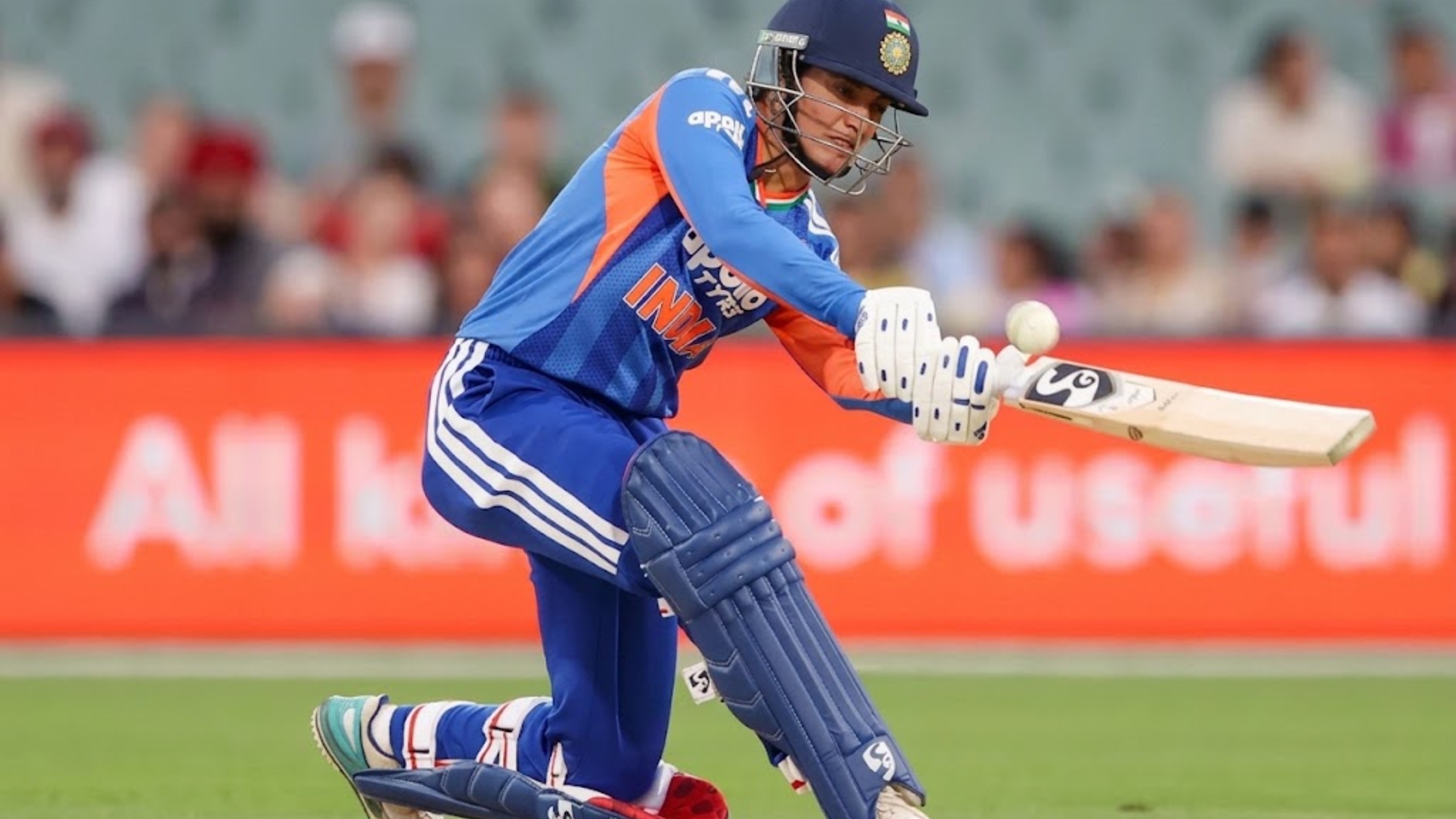
India's full-strength women's squad, Smriti Mandhana, Shafali Verma and Harmanpreet Kaur among them, is competing at the Asian Games this week, not a reserve side sent to fulfill an obligation, but the actual first-choice team a country with genuine World Cup ambitions has chosen to field. That decision alone marks a real shift in how cricket's biggest nations are treating multi-sport events they'd historically deprioritized.
The reason isn't hard to find. Cricket returns to the Olympics at Los Angeles in 2028 for the first time since 1900, and the Asian Games, arriving two years ahead of that debut, function as close to a dress rehearsal as the sport currently has for proving it belongs on that stage.
Why India skipped this event before, and why that's changed
India didn't send full-strength squads to the Asian Games in 2010 or 2014, decisions that let Bangladesh and Sri Lanka claim men's titles against a diminished field. That calculus made sense when the Asian Games carried no meaningful connection to cricket's broader global trajectory. With a genuine Olympic medal table now on the horizon, treating this event as optional no longer fits the sport's own stated ambitions.
India already completed a historic men's and women's gold medal double at Hangzhou in 2022, a result the BCCI is explicitly trying to repeat this year with its strongest possible roster. That's a meaningfully different level of institutional priority than skipping the event entirely a decade earlier.
What actually widened beneath the marquee teams
Getting to Nagoya required genuine qualification for smaller cricketing nations, not a formality. Nepal won the men's qualifier over Hong Kong. Thailand won the women's qualifier over hosts Malaysia and a China side that advanced on net run rate. Oman makes its Asian Games men's debut. China fields a women's team for the first time.
That widening field matters more for cricket's long-term Olympic case than any single result between India and Sri Lanka. A sport pitching itself for permanent Olympic inclusion needs to demonstrate genuine competitive depth beyond its five or six traditional powers, and qualification pathways producing debut appearances from Oman and China are exactly the kind of evidence that case requires.
Why the format itself matters as much as the participants
Every match at these Games runs T20, the same compact, broadcast-friendly format the Olympics will use in 2028. That alignment isn't incidental. It gives cricket's biggest federations a genuine large-scale test of exactly the format and multi-sport-event structure they'll need to deliver successfully at LA28, with real stakes and real depth rather than a low-key exhibition nobody's building future plans around.
Does cricket's Asian Games return genuinely prove the sport is ready for a sustainable, competitively deep Olympic Championship presence, or does the gap between India's strength and the rest of the qualifying field suggest that depth is still more promise than reality?

Sarajevo Back at the Heart of Regional MMA: SFC Returns with Explosive Matchups

How Buzzer Karma Works: Levels, Penalties, and What They Mean

Inside Buzzer's Latest Update (and Why It Changes How You Use the App)

Buzzer Introduces Ads Console: A New Era of Advertising Across the Entire Buzzer Ecosystem

Buzzer Is Evolving: From Quantity to Quality

Buzzer Now Has a Games Hub, and Tournaments Are Coming

Al Ittihad SC's Matches Are Now Live on Buzzer

Palm City vs Gulf United Ends in 1–1 Draw in UAE Second Division League Clash

"We Don't Take the Guy With the Camera." He Built His Own Club Anyway. Now He's Coming to Find You.

Building the Infrastructure Sports Tech Forgot


 1


