





 0

Why Every MMA Promotion Wants to Become More Than a Fight Promotion
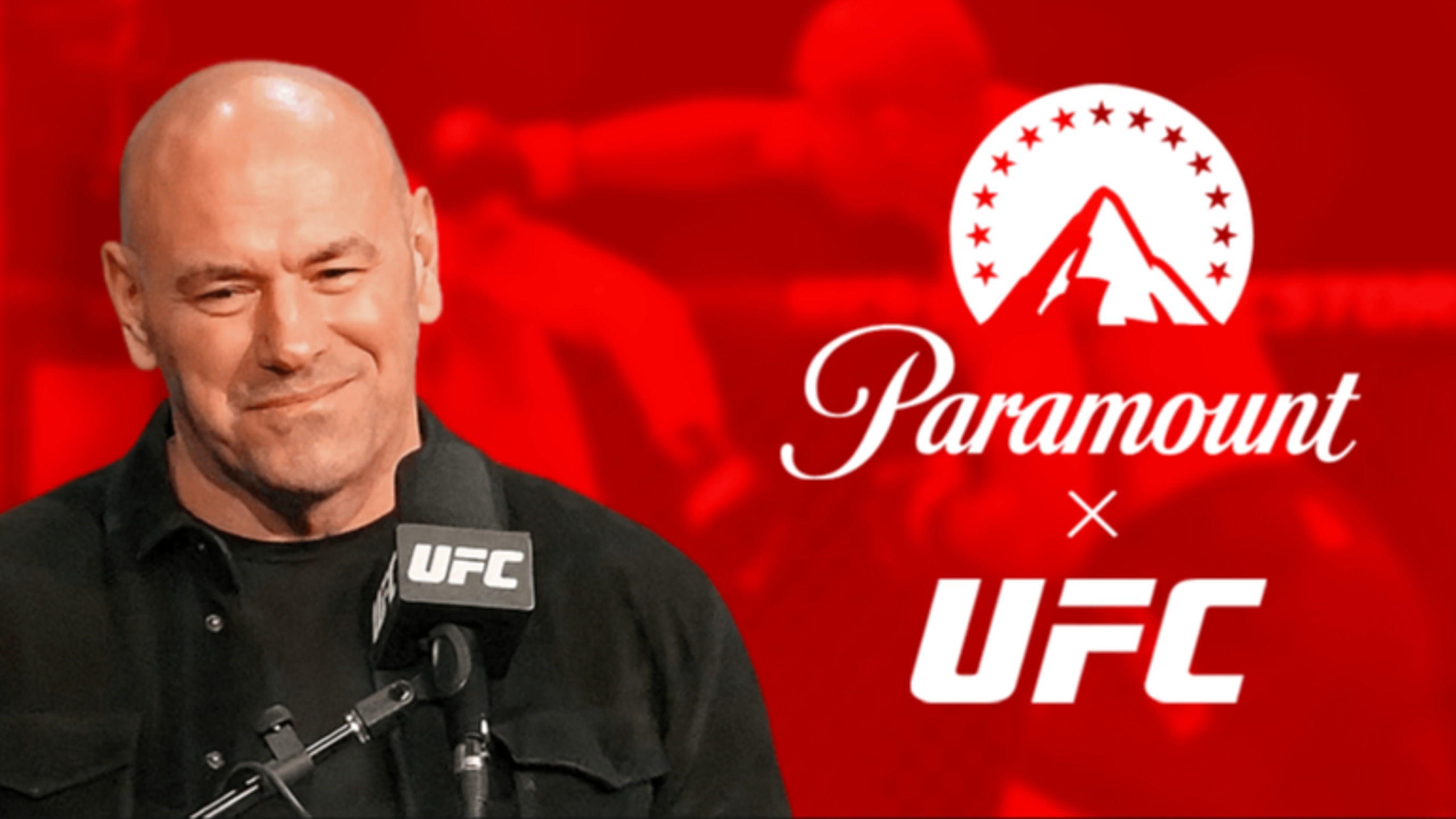
The UFC just walked away from pay-per-view.
That's the part of this story that should actually stop people scrolling, because pay-per-view has been the backbone of how the promotion made its money on marquee fights for decades.
Starting in 2026, every single numbered UFC event streams live on Paramount+ at no extra cost to subscribers, with select cards simulcast on CBS, as part of a seven-year deal worth an average $1.1 billion a year.
The whole point, according to both sides, is accessibility. Get more eyeballs on the product by removing the price barrier, then make the money back through subscriber growth instead of one-off purchases.
That single decision tells you almost everything about where MMA promotions think their business is actually headed.
Paramount didn't stop there either, later expanding the same partnership to cover UFC media rights across Latin America and Australia starting the same year.
This isn't a fight company selling fights anymore. It's a streaming platform's marquee live content, and the fights themselves are almost the delivery mechanism for something bigger.
PFL is chasing the same map, just from a different angle
The Professional Fighters League signed its own multi-year deal with Fox Corporation to broadcast across Mexico and Central America, giving Fox subscribers access to sixteen PFL Global events in 2026 alongside eight additional PFL International cards split between the MENA and Africa circuits.
PFL's strategy has leaned harder into regional expansion than the UFC's centralized streaming push, building separate international ecosystems in the Middle East and Africa rather than consolidating everything under one flagship product.
Different approach, same underlying instinct.
Both promotions have figured out that the actual product, two people fighting inside a cage, was never going to be the thing that unlocked the next tier of growth. Distribution and reach were the bottleneck, and both companies spent this year attacking that bottleneck from opposite directions.
What "more than fights" actually means
Removing pay-per-view isn't just a pricing change. It fundamentally shifts what UFC is selling.
A pay-per-view model sells individual events to people who specifically want that one card. A subscription model sells the entire platform, meaning UFC now has to function as a reason to stay subscribed to Paramount+ year-round, alongside whatever else the platform is offering.
That's a completely different relationship with its audience than the one-off transactional model MMA has run on for most of its modern history.
It also means these promotions are competing less with each other and more with every other form of streaming content fighting for the same subscription dollars.
Gambling-adjacent engagement, personality-driven content, social media virality, all of that becomes part of the actual business model now, not just marketing around the edges of it.
Fights still sell the sport. But the sport itself increasingly looks like the anchor tenant in a much bigger building, one stocked with everything from regional broadcast deals to full subscription platforms built to keep people around long after the final bell.
Does ditching pay-per-view for a subscription model actually make MMA more accessible to casual fans, or does it just trade one gatekeeper, the price of a single event, for another, whether you're already paying for the right streaming service?

Sarajevo Back at the Heart of Regional MMA: SFC Returns with Explosive Matchups
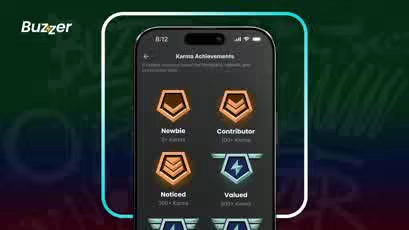
How Buzzer Karma Works: Levels, Penalties, and What They Mean
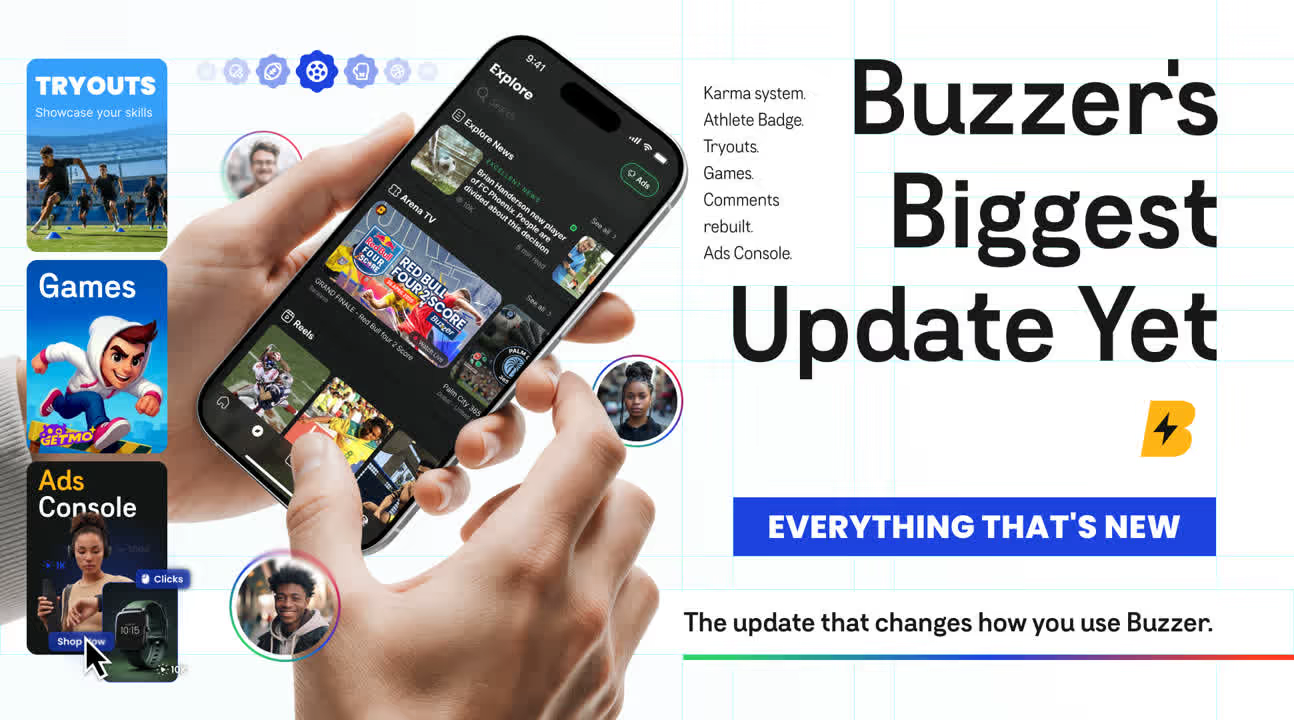
Inside Buzzer's Latest Update (and Why It Changes How You Use the App)
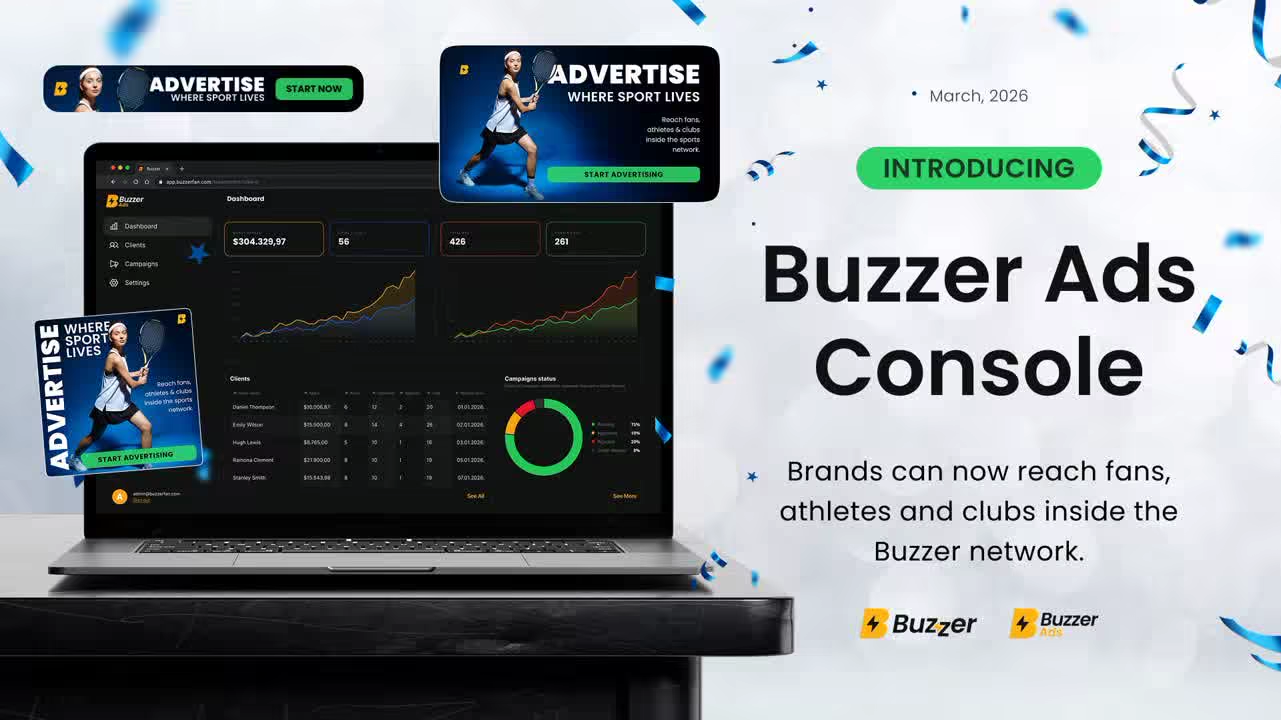
Buzzer Introduces Ads Console: A New Era of Advertising Across the Entire Buzzer Ecosystem
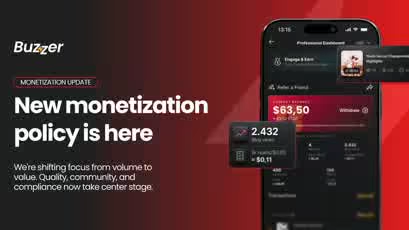
Buzzer Is Evolving: From Quantity to Quality

Al Ittihad SC's Matches Are Now Live on Buzzer
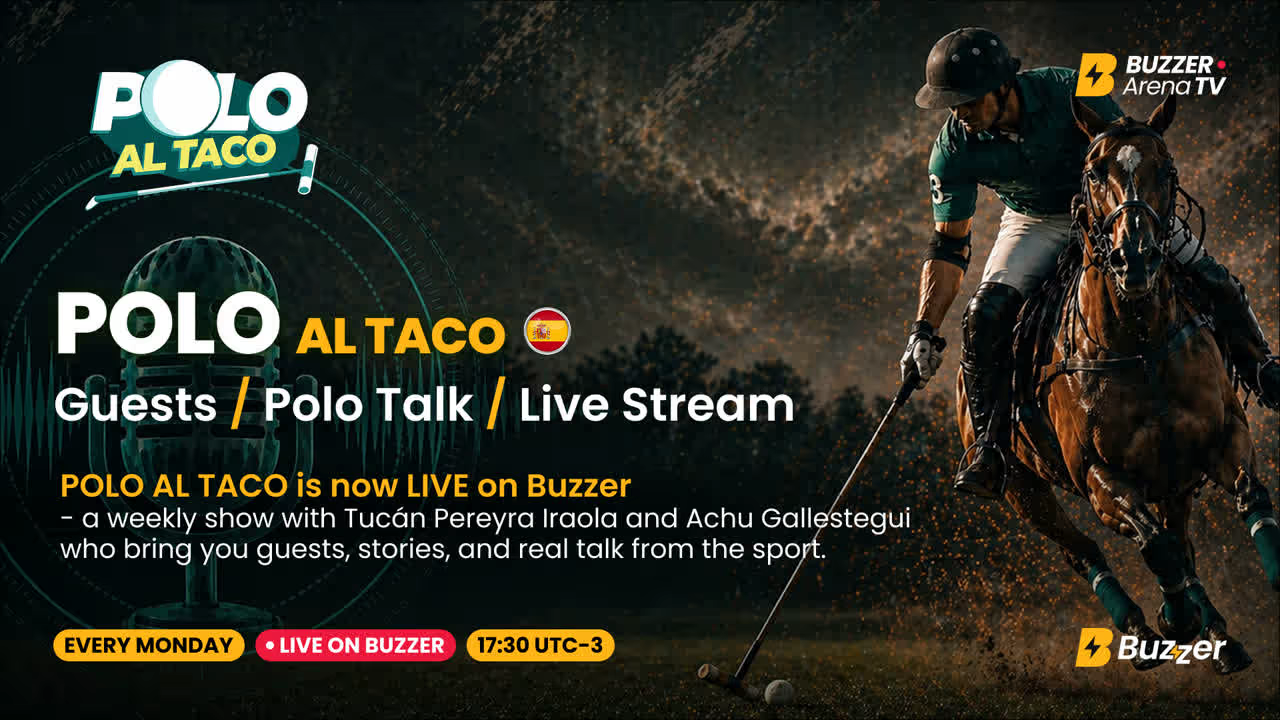
Polo Al Taco Expands Its Global Reach Through Weekly Livestreams on Buzzer Arena TV

Buzzer Now Has a Games Hub, and Tournaments Are Coming
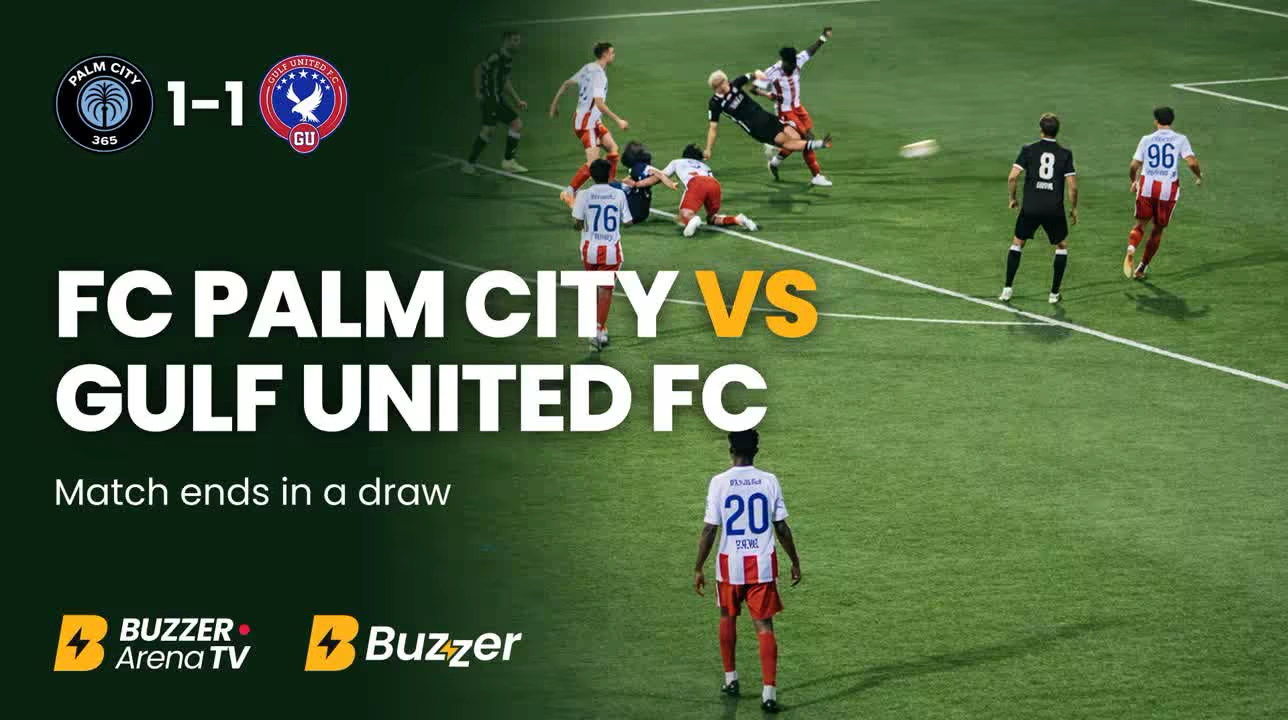
Palm City vs Gulf United Ends in 1–1 Draw in UAE Second Division League Clash
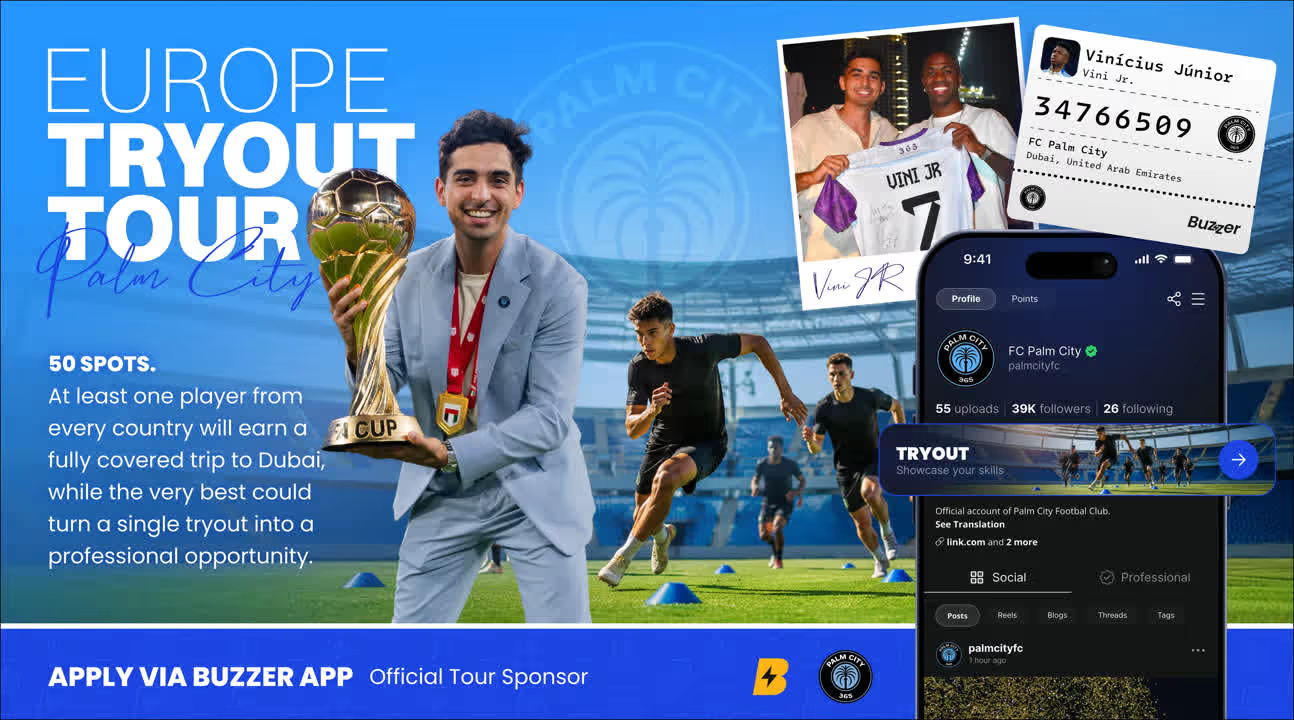
"We Don't Take the Guy With the Camera." He Built His Own Club Anyway. Now He's Coming to Find You.


 1


