




 0
0
Why Enea Bastianini Chose the Team That Isn't the Biggest Team
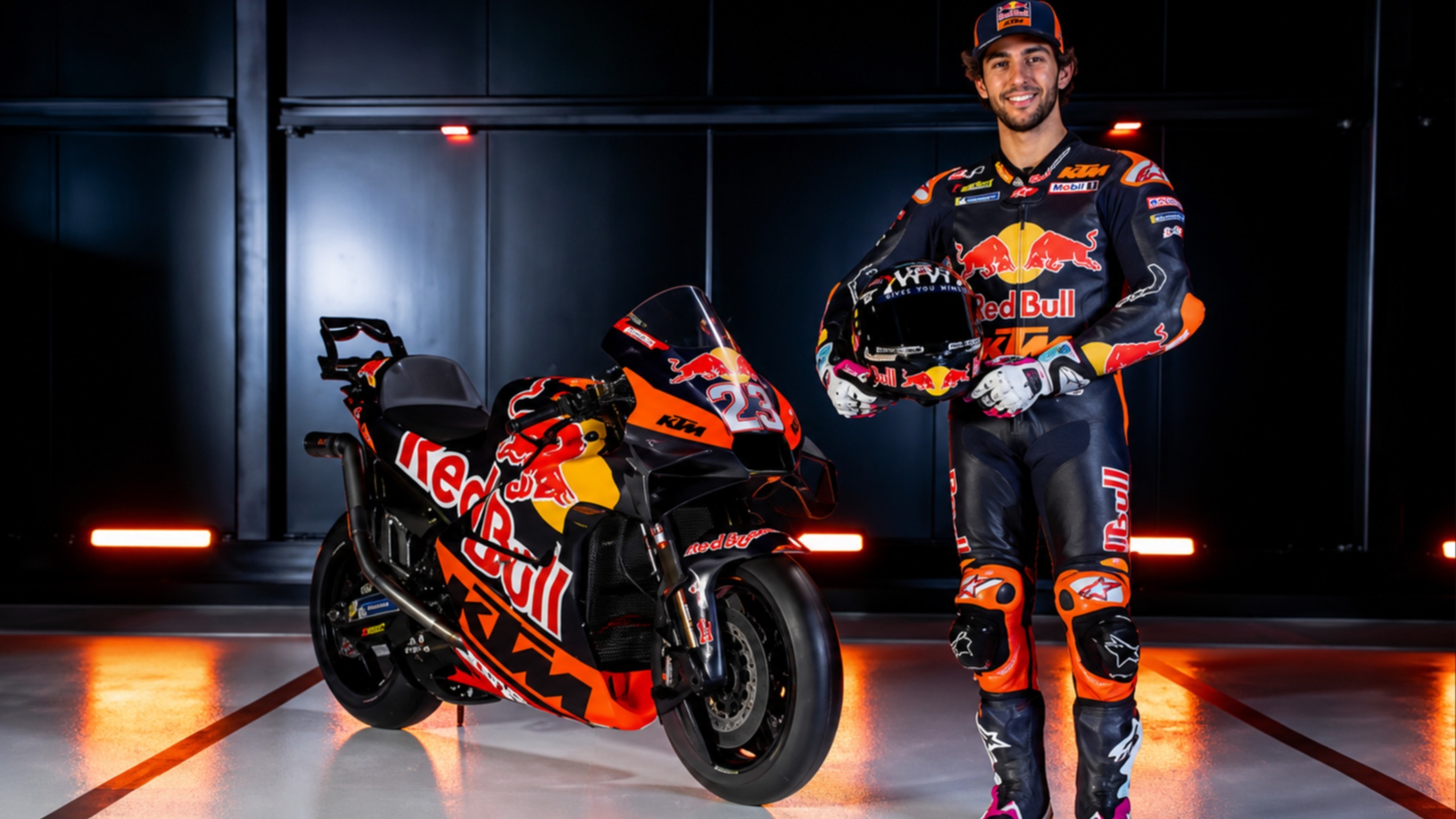
Enea Bastianini has won seven MotoGP races, ridden factory Ducati machinery as Pecco Bagnaia's teammate, and spent 2025 on a KTM works deal with Tech3.
For 2027, he's joining Trackhouse, an Aprilia satellite team that didn't exist in MotoGP until 2024.
It's the kind of move that would once have looked like a step down. In 2026, it looks like exactly the opposite.
Trackhouse's lightning rise
Trackhouse's rise has been remarkably fast for a team barely three years into the premier class.
Founded by American businessman Justin Marks, better known for his NASCAR team of the same name, Trackhouse has already won four races and sprints in 2026, including a 1-2 finish at Assen, and heads into the second half of the season with both its riders inside the top ten of the championship.
That's an extraordinary rate of progress for an outfit still younger than some riders' current contracts.
A move triggered by circumstance and ambition
Bastianini's move was triggered by circumstance as much as ambition.
Trackhouse needed a replacement after Ai Ogura, who'd taken a maiden win at Assen this season, chose to join Yamaha's factory team for 2027 alongside 2024 champion Jorge Martín.
Rather than simply filling the seat with the next available name, Trackhouse landed one of the most sought-after riders left on the market, a seven-time race winner with genuine title-contending pedigree from his best Ducati seasons.
Why Trackhouse, not the big names
What makes the choice notable is what Bastianini is walking away from.
Tech3 KTM never fully worked for him, producing just one podium across two seasons after his move from Ducati.
Trackhouse, by contrast, offers him a title-contending package heading into MotoGP's biggest regulatory shake-up in years, new bikes, new tyres, and new technical rules arriving for 2027, a transition that resets the competitive order and gives every team, however new, a genuine chance to be at the front from day one.
Bastianini described the move explicitly in those terms, calling Trackhouse "a title contender" and saying he wanted to bring his experience to help develop Aprilia's new machinery from the ground up.
Trackhouse owner Justin Marks framed it the same way, describing the team as "on the verge of greatness" and treating the signing as confirmation of that trajectory rather than a favour to a rider between opportunities.
A new competitive order
It reflects something increasingly true across MotoGP: competitive strength is no longer reliably predicted by a team's name or history.
A three-year-old satellite operation with the right technical partnership and the right ownership can out-develop teams that have existed for decades, and elite riders are now making career decisions based on where the bike is actually heading, not which manufacturer badge looks most prestigious on paper.
Does Bastianini's decision suggest MotoGP's competitive hierarchy is genuinely being rewritten, or is Trackhouse's rapid rise simply too new to know whether it can be sustained into a new regulatory era?


