




 0
0
Why Football Shirt Numbers Stopped Meaning What They Used To
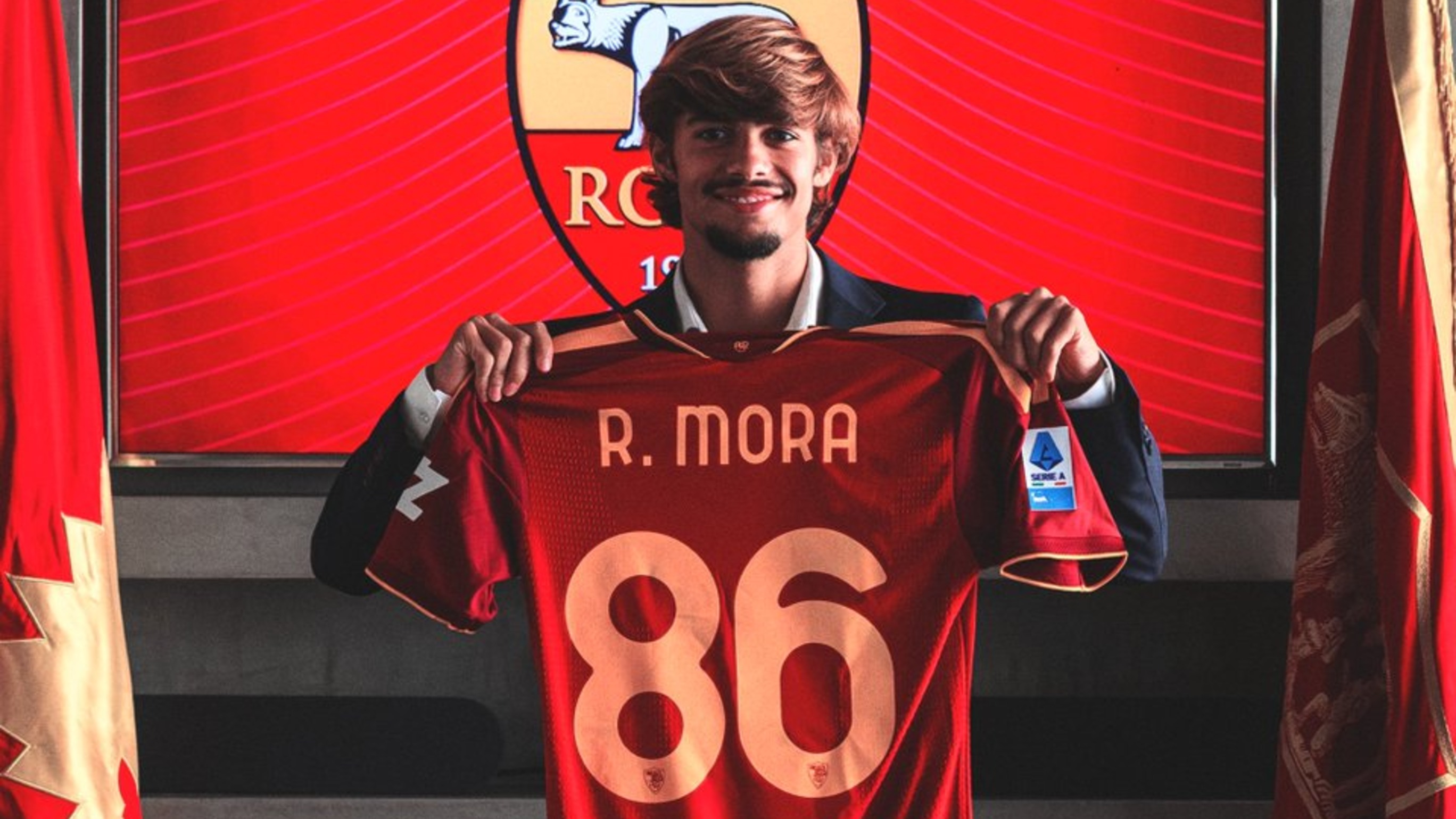
When 19-year-old Rodrigo Mora signed for AS Roma in August 2026, he chose to keep the number 86 shirt he’d worn at Porto. In doing so, he completed something no club in football history had ever managed before: at least one Roma player has now worn every single number between 1 and 99 across the club’s history.
It’s a strange record, but it also captures a much bigger shift in how football thinks about shirt numbers altogether.
From position to identity
For most of football’s history, shirt numbers meant something specific. Number 1 was the goalkeeper. Number 9 was the out-and-out striker. Number 10 was the creative playmaker. Fans could glance at a number and immediately know roughly what a player did on the pitch, a system that lasted for decades across almost every league in the world.
That link between number and position started breaking down once squad numbers, fixed to a player for an entire season rather than reassigned game to game based on the starting lineup, became mandatory in competitions like Serie A from 1995 onward. Once numbers stopped being tied to a starting formation, players were free to simply pick whichever number they wanted, provided nobody else on the squad already had it.
Why the high numbers took over
Serie A in particular became known for embracing unusually high or personally meaningful numbers, far more so than leagues with stricter regulations like Spain’s La Liga. Players began choosing numbers tied to birth years, squad academy traditions, lucky digits, or simple personal preference rather than anything to do with their position on the pitch. Roma’s own history shows the range: Francesco Totti wore the classic number 10 for two decades, while more recent squads have featured Stephan El Shaarawy in 92, Romelu Lukaku in 90, and goalkeeper Mile Svilar in 99.
Mora’s arrival filled the last gap in that sequence. According to specialist statistics sites, no Roma player had worn 86 in the club’s history until now, and once he chose to keep the number from his time at Porto rather than switch to something more traditional, the club became the first anywhere confirmed to have run through the entire 1-to-99 range.
A record that only makes sense in the modern game
What makes the achievement so unusual is that it could only happen once shirt numbers stopped needing to mean anything. A club playing under the old positional system would never accumulate a full run of 99 different numbers, since only a handful were ever actually used, tied to specific roles on the pitch. Roma’s record exists precisely because modern squad numbering turned shirt numbers into personal identity markers instead of tactical labels, opening up the full range from 1 to 99 for players to claim as their own.
It’s a small piece of trivia, but it’s really a snapshot of an entire cultural shift in the sport: the number on a player’s back used to tell you what he did. Now, more often than not, it just tells you who he is.
Do you think football lost something when shirt numbers stopped indicating a player’s position, or has letting players choose their own number made the game more personal and interesting?


