





 2
A World Championship Came to Africa. One Year Later, Can Cycling Build What Comes Next?
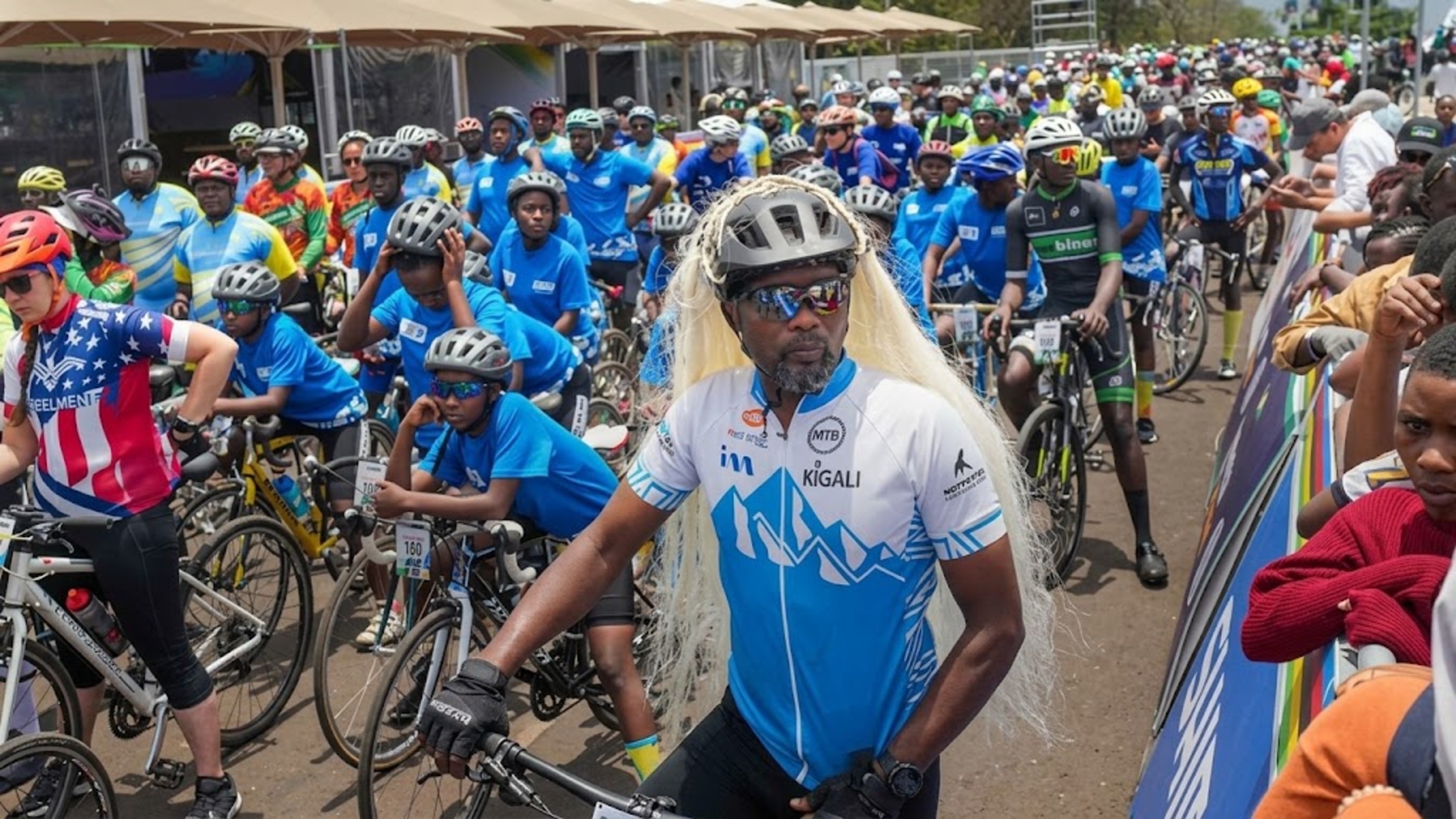
In September 2025, the UCI Road World Championships were held in Africa for the first time. The host was Rwanda, the venue was Kigali, and the winner of the elite men's road race was Tadej Pogačar.
A year on, the medals are settled and the crowds have gone. The bigger question is whether the event changed anything for the African riders who watched it happen at home.
The first time on the continent
Holding a world championship in Africa was a milestone for the sport. Cycling has spent decades centred on Europe, with a handful of races in other regions. Bringing the biggest single-day event of the season to Kigali was a deliberate statement about where the UCI wants the sport to go.
Rwanda was a logical choice. The country has a real cycling culture, with the Tour du Rwanda running since 1988 and drawing international teams. Riders and fans there didn't need to be introduced to the sport.
Even so, hosting is a moment. The harder job is what happens in the 364 days after.
What a legacy needs
Big events promise legacies all the time. Few deliver them without follow-up. For cycling in Africa, a lasting benefit would need three things at once: better infrastructure, more racing opportunities and easier travel for riders. Right now, all of them remain issues.
Infrastructure matters because talent needs somewhere to train and race. Roads, coaching and equipment are the raw materials of a rider's development. Without them, a talented teenager has nowhere to go.
Racing opportunities matter because riders improve by competing against strong fields, week after week. A continent with few high-level races can't produce riders with race experience. And then there's the problem of visas, which can turn an invitation to a European race into a bureaucratic obstacle course.
The Girmay effect
The sport has already shown what African talent can do. Eritrea's Biniam Girmay became the first Black African rider to win a Grand Tour stage when he took a Giro d'Italia stage in 2022. In 2024 he won three stages of the Tour de France and the green jersey.
The catch is that Girmay's path ran through European development, as most successful African riders' paths do. A rider who has to move abroad as a teenager to have a career is showing how thin the local pathway is. The goal for a post-Kigali legacy should be building a pipeline that doesn't require leaving.
Can one event change a sport?
Here's an opinion to argue with. Hosting a world championship can't build a sport's ecosystem by itself. It can create attention, raise the profile of local riders and give officials a reason to invest, but the follow-through has to come from federations, sponsors and race organisers.
The good news is that attention is valuable. A year after Kigali, the conversation about African cycling is louder than it was. That gives advocates something to work with.
Success would look boring in the best way. More races on the calendar, more African teams on start lists, smoother travel and a steady stream of riders who don't need to relocate to be noticed.
So can a single host city change a sport's ecosystem, or does the real work start once the cameras leave? And what should cycling's governing body be doing right now to prove Kigali wasn't a one-off?

Sarajevo Back at the Heart of Regional MMA: SFC Returns with Explosive Matchups

How Buzzer Karma Works: Levels, Penalties, and What They Mean

Inside Buzzer's Latest Update (and Why It Changes How You Use the App)

Buzzer Introduces Ads Console: A New Era of Advertising Across the Entire Buzzer Ecosystem

Buzzer Is Evolving: From Quantity to Quality

Buzzer Now Has a Games Hub, and Tournaments Are Coming

Polo Al Taco Expands Its Global Reach Through Weekly Livestreams on Buzzer Arena TV

Al Ittihad SC's Matches Are Now Live on Buzzer

Palm City vs Gulf United Ends in 1–1 Draw in UAE Second Division League Clash

"We Don't Take the Guy With the Camera." He Built His Own Club Anyway. Now He's Coming to Find You.


 1


