





 0
Fiji Won the WXV Challenger. Women's Rugby Is Building More Competitive Layers
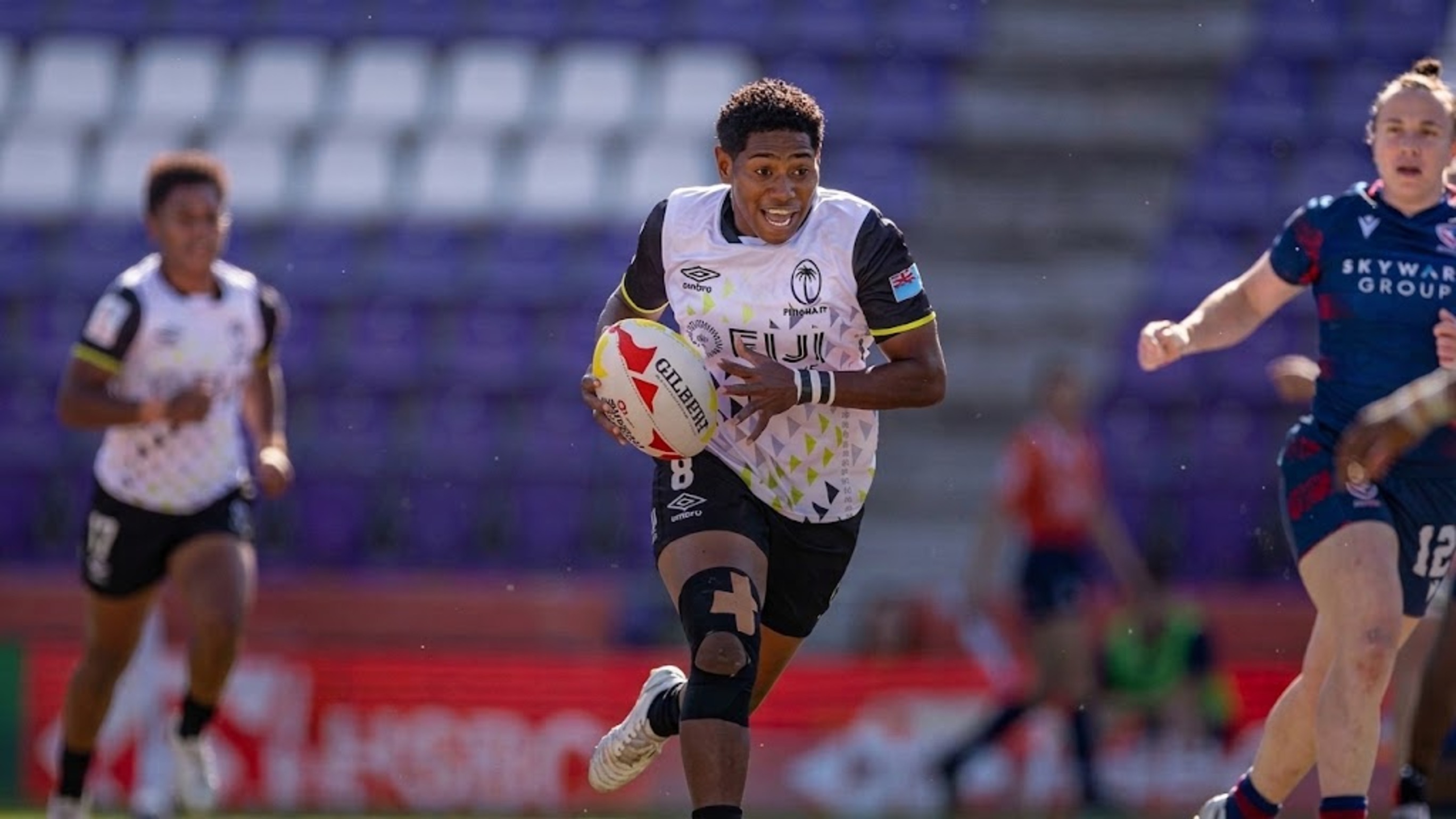
Fiji led 12-0 inside 13 minutes. Then the Netherlands clawed level with 15 minutes to go. Then, in the closing seconds, Fijiana won a penalty and Varanisese Qoro slotted it to seal a 20-17 win and the first-ever WXV Global Series Challenger title.
The final in Hong Kong went the full 80 minutes, was delayed five hours by high temperatures, and, according to World Rugby, saw the two sides go "toe-to-toe" the entire way. Fiji finished the three-match tournament unbeaten, having already beaten Spain 38-32 and Hong Kong China 54-26.
A competition that didn't exist a year ago
The WXV Global Series Challenger is brand new for 2026, the second tier of a restructured system that replaced the original WXV format. There's no promotion or relegation between the Global Series and the Challenger for the 2026-2028 cycle, which means this specific group of teams, Fiji, the Netherlands, Spain, Hong Kong China and Samoa, will keep competing against each other rather than against the top tier for the next three years.
That structure matters more than the trophy itself. A standalone tournament gives teams outside women's rugby's traditional top table, New Zealand, England, France, Canada, a genuine competition to build toward, rather than occasional one-off fixtures against whoever happens to be available. Fiji's championship came from three matches against three different styles of opponent, which is a far better developmental test than a single friendly.
What the final actually showed
The scoreline undersells how close it was. Fiji jumped ahead through tries from player of the match Merewairita Neivosa and full-back Ivamere Nabura Rokowati, then had to defend a 10-minute yellow card to Mereoni Nakesa for a high tackle. The Netherlands scored from a driving maul just before halftime through Elisabeth Boot, then added a second try early in the second half through captain Linde van der Velden to level the match.
With 15 minutes left, replacement hooker Selai Naliva crashed through five Dutch defenders to score and tie the game again. From there it came down to fatigue and discipline, and Fiji found both when it mattered.
Across the whole tournament, 76 tries were scored in total, an average of four per match. The Netherlands and Fiji tied for the most tries scored individually, with 18 each. That's not a low-scoring, defensive slog of a competition. It's an attacking one, which tends to be more useful for developing players than tight, cagey rugby.
Why isolated wins need to become something bigger
The obvious risk for any emerging rugby nation is that a strong campaign gets remembered as a nice story rather than a turning point. Fiji has talent that's been evident for years, particularly in sevens, where the men's team has Olympic gold medals to show for it. Turning that talent into a sustainable fifteens programme, one that can compete with the world's best rather than just the next tier down, is a much harder and slower project.
Fiji has now won every match it played in the competition's debut season, three wins from three, without needing a single dropped match to make the story dramatic. The next question is whether that unbeaten run becomes a springboard toward the Global Series proper, or whether the format simply keeps Fiji competitive at this level without ever testing them against the very best.
How do emerging rugby nations turn a single unbeaten campaign into lasting competitiveness, rather than a peak that never gets repeated?

Sarajevo Back at the Heart of Regional MMA: SFC Returns with Explosive Matchups

How Buzzer Karma Works: Levels, Penalties, and What They Mean

Inside Buzzer's Latest Update (and Why It Changes How You Use the App)

Buzzer Introduces Ads Console: A New Era of Advertising Across the Entire Buzzer Ecosystem

Buzzer Is Evolving: From Quantity to Quality

Buzzer Now Has a Games Hub, and Tournaments Are Coming

Al Ittihad SC's Matches Are Now Live on Buzzer

Palm City vs Gulf United Ends in 1–1 Draw in UAE Second Division League Clash

"We Don't Take the Guy With the Camera." He Built His Own Club Anyway. Now He's Coming to Find You.

Building the Infrastructure Sports Tech Forgot


