





 1
The Asian Games Has Pokémon Unite, Archery And Cricket. Multi-Sport Events Are Changing
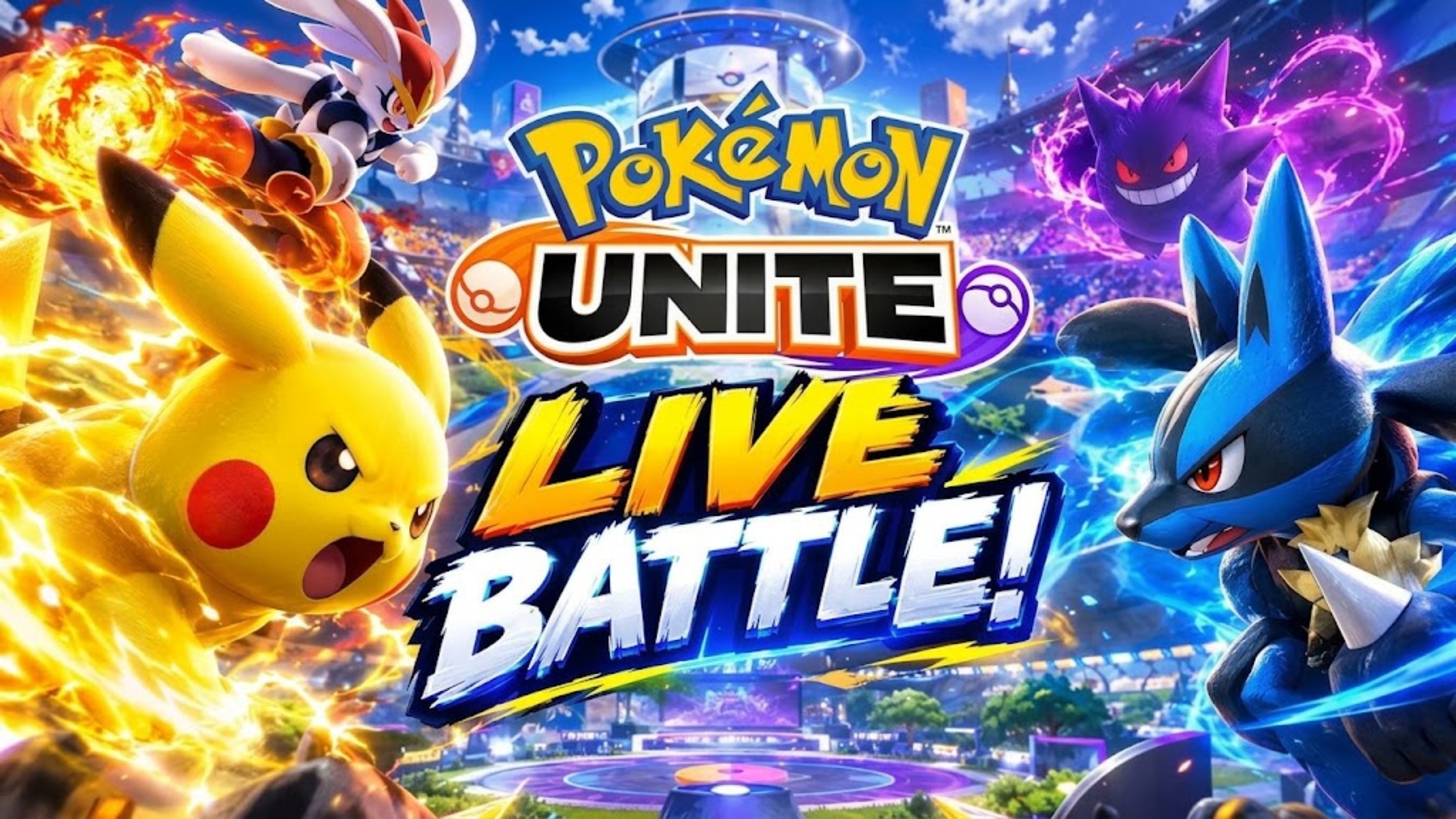
Ten countries sent teams to compete in Pokémon Unite at the 2026 Asian Games. Japan won gold, beating Indonesia 3-1 in a final held at the Aichi Sky Expo, the same venue where skateboarders had competed days earlier. South Korea and the Philippines shared bronze.
That result sat on the same overall medal table as archery, cricket, baseball and 40 other sports. The 2026 Games ran 43 sports across 71 disciplines and 469 medal events, the largest programme in the competition's history, and esports alone accounted for 11 of those medal events across 13 different game titles.
From demonstration to full programme in eight years
Esports made its Asian Games debut as a demonstration sport at Jakarta in 2018, with no medals attached. It became a full medal sport at Hangzhou in 2023, contested across seven events. By Aichi-Nagoya, that number had grown to 11, an increase of four in a single cycle, spanning everything from fighting game series like Street Fighter, Tekken and King of Fighters to team titles like League of Legends, Honor of Kings and Pokémon Unite.
The growth in entries tells its own story. eFootball drew 24 different competing entries. Gran Turismo 7 had 16. League of Legends, by contrast, had one of the smallest fields, with only eight teams, reflecting how competitive and specialised that particular title has become at the international level.
India fielded athletes across four separate esports events, eFootball, Puyo Puyo Champions, Pokémon Unite and League of Legends, alongside its traditional roster in athletics, archery and dozens of other sports. That's a national Olympic committee treating esports as a normal part of its overall delegation planning, not a novelty attached to the side of the real competition.
The case for calling it a real sport
The argument for including esports isn't really about whether staring at a screen counts as athletic. It's about what the Asian Games are actually for. The event exists to bring together the widest possible range of competitive disciplines that matter to Asian audiences, and by that measure, esports clears the bar easily. Competitive gaming draws enormous, dedicated audiences across the region, particularly in South Korea, China and Japan, and has produced professional infrastructure, sponsorship and prize money that rivals plenty of traditional Olympic sports.
Pokémon Unite's format also mirrors traditional team sports more than people might expect. It's a five-on-five contest requiring coordination, strategy and split-second execution, judged over a series of matches, not unlike how a football or handball tournament is structured. Indonesia's silver medal run included winning their first game against Japan in the final before losing the next three, a competitive arc that reads exactly like a traditional sports final gone the distance.
The tension nobody's fully resolved
Cricket's inclusion raises a different, quieter question. It's one of the world's most popular sports by participation and television audience, yet it disappeared from the Asian Games between 2014 and 2018 before returning at Hangzhou. Archery has been part of the programme for decades without controversy. Esports has gone from nothing to 11 medal events in eight years.
Whether that's the programme evolving sensibly or drifting away from what the Games were originally built to showcase is a genuinely open question, and it's one that Olympic-adjacent events worldwide are going to keep running into as competitive gaming's audience keeps growing.
What actually qualifies as a major sport in the 2020s: participation numbers, broadcast audience, or simply whether enough countries are willing to send a team?

Sarajevo Back at the Heart of Regional MMA: SFC Returns with Explosive Matchups

How Buzzer Karma Works: Levels, Penalties, and What They Mean

Inside Buzzer's Latest Update (and Why It Changes How You Use the App)

Buzzer Introduces Ads Console: A New Era of Advertising Across the Entire Buzzer Ecosystem

Buzzer Is Evolving: From Quantity to Quality

Buzzer Now Has a Games Hub, and Tournaments Are Coming

Polo Al Taco Expands Its Global Reach Through Weekly Livestreams on Buzzer Arena TV

Al Ittihad SC's Matches Are Now Live on Buzzer

Palm City vs Gulf United Ends in 1–1 Draw in UAE Second Division League Clash

"We Don't Take the Guy With the Camera." He Built His Own Club Anyway. Now He's Coming to Find You.


 1


