




 0
0
Why a Single Polo Pony Can Cost More Than a House
Football fans complain when a transfer fee crosses nine figures for a single human being. Polo has been quietly running an even stranger economy for over a century, one where the horse, not the player, is often the most valuable asset on the field.
The Sport Where You Need at Least Six Horses to Compete
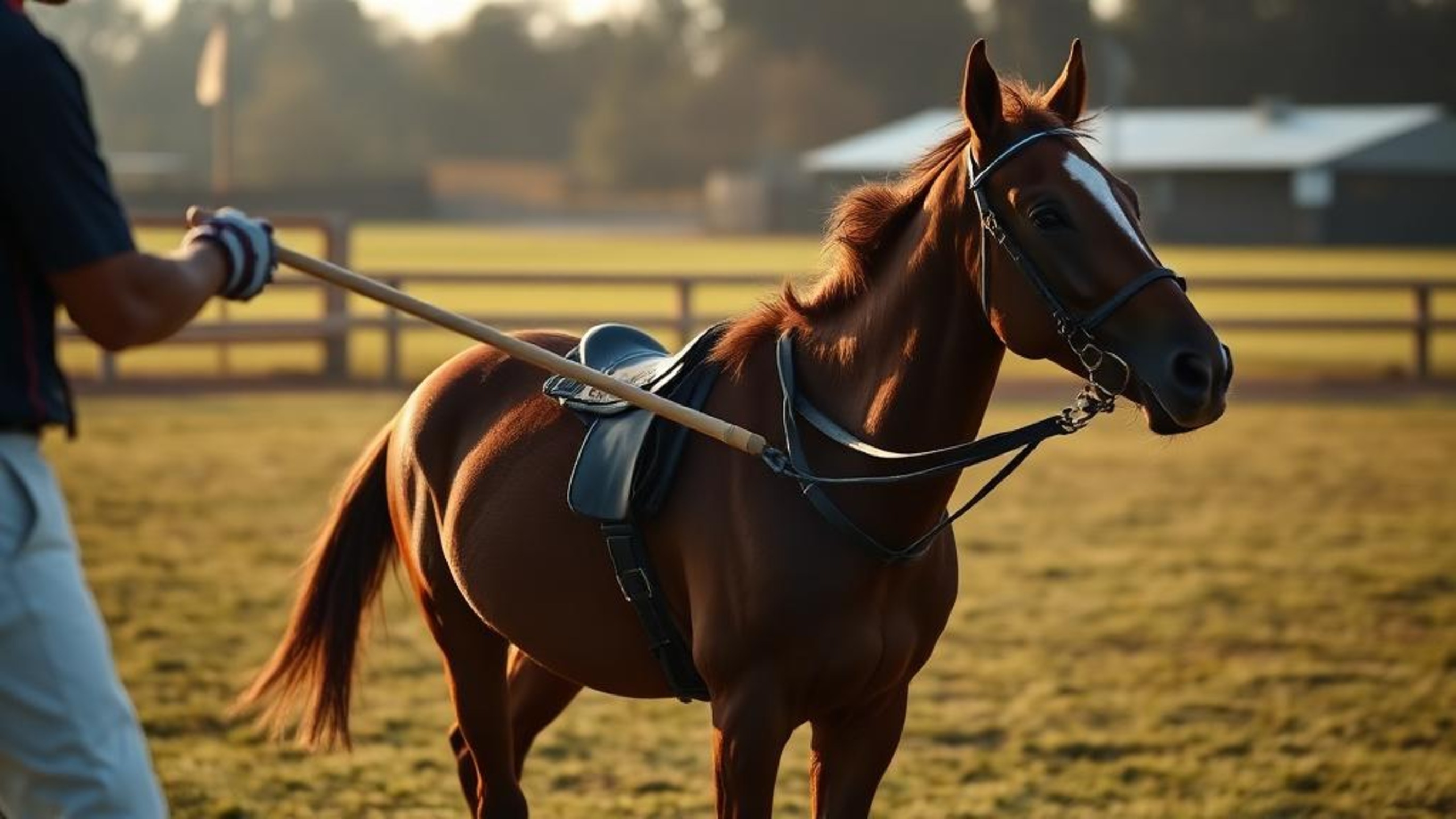
Elite polo requires a player to rotate through multiple horses across a single match, since a horse can only sustain the sprinting, sudden stops, and sharp turns of high-level polo for roughly one seven-minute period, called a chukker, before needing rest.
A serious tournament player typically needs a string of six to eight horses just to get through a single match competitively, and top professional players maintain strings numbering in the dozens across a season. That alone turns polo into one of the only sports where the athlete's equipment requires its own veterinary staff, transport logistics, and insurance policy.
Argentina's Quiet Monopoly
Argentina produces the overwhelming majority of the world's elite polo horses, a dominance built over more than a century of specialized breeding, mostly using Thoroughbred bloodlines crossed for a specific combination of speed, agility, and temperament that most other breeding programs have never managed to replicate at scale.
Elite Argentine breeding operations export horses to wealthy polo scenes across the United States, the UK, and the Middle East, and a genuinely elite mare with a proven competitive pedigree can sell for well into six figures, occasionally crossing seven, prices that rival or exceed the median home value in most American cities.
The Patron System That Funds It All
Much of high-goal polo runs on wealthy amateur patrons, individuals who buy their way onto a competitive team by funding the horses, the professional teammates, and the tournament entry fees, in exchange for a spot on the field alongside genuinely elite professional players.
A single high-goal team's annual horse budget alone can run into the millions of dollars once breeding, training, transport between tournament circuits, and veterinary care are factored in, costs that dwarf what most amateur patrons would ever spend competing in almost any other sport at a comparable level.
Why the Economics Rarely Get Discussed Publicly
Polo's business side stays remarkably quiet compared to how openly other sports discuss transfer fees and salary caps, partly because so much of the money moving through the sport comes from private wealth rather than television contracts or sponsorship deals that would force public disclosure.
That opacity has its own consequences. It means the sport's economic health depends almost entirely on a small number of extremely wealthy individuals staying interested in a niche sport for another season, a far more fragile foundation than sports built on broadcast revenue and ticket sales.
The next time a football transfer fee makes headlines for seeming absurd, remember that somewhere in Argentina, a proven polo mare with the right bloodline is quietly changing hands for a price that would buy a decent apartment in most of the world.


