





 0
Why Is Shohei Ohtani Suddenly Being Managed So Carefully?
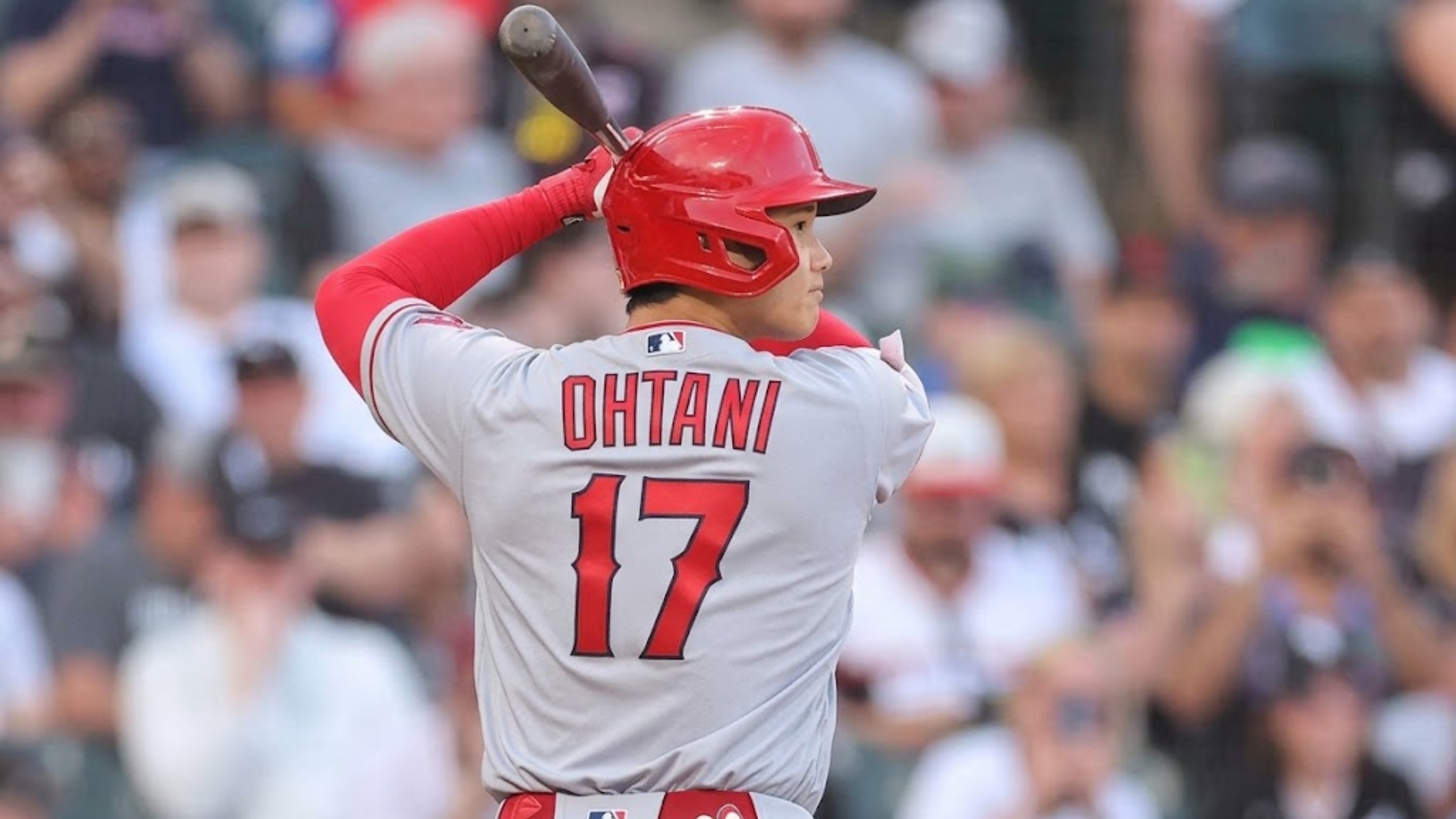
Shohei Ohtani sat out five of six games in early September, dealing with a combination of right biceps soreness, left knee issues and neck trouble that piled up over the course of the season. When he finally returned to the lineup after a four-day break, he went 0 for 3 with two strikeouts. The Dodgers already knew he wouldn't pitch again this year before he even stepped back on the field.
None of this is a single injury with a clear recovery timeline. It's several smaller issues compounding at once, and the team's response has been unusually cautious for a stretch of the season when most contenders are pushing hardest for playoff positioning.
The cascading nature of the problem
Ohtani's biceps discomfort has flared at least twice before this season, according to general manager Brandon Gomes. The knee soreness surfaced separately during a series against the Cardinals. Neck trouble entered the picture more recently. Individually, none of these sound severe. Together, they've been enough to keep the sport's most valuable player out of the lineup for stretches at exactly the point in the season when every game theoretically matters most.
Gomes described the biceps issue specifically as "an ebb-and-flow type thing" that gets harder to fully recover from once the calendar reaches August and September, when there's no real gap in the schedule to rest through properly.
A two-way player creates a two-way problem
Part of what makes managing Ohtani uniquely difficult is that he's not just an outfield bat the Dodgers can rest without consequence. He's meant to be a frontline starting pitcher too, though he hasn't pitched in a game since July and hasn't even thrown a bullpen session in weeks. The organization is essentially managing two separate injury conversations under one roster spot, and neither one has a clean solution that doesn't cost them something on the field right now.
Manager Dave Roberts has called an injured list stint "unlikely," which suggests the team believes rest days scattered through the schedule can manage this without a formal absence. That's a bet that day-to-day maintenance beats an extended shutdown, at least for now.
Why the Dodgers are thinking past September entirely
The clearest signal of the team's actual priorities is the reporting around a potential playoff bye. Los Angeles holds a significant cushion in the NL West standings, and locking up a bye would buy Ohtani something the regular season schedule can't: real recovery time without games in between. That's the trade the front office appears to be explicitly making, sacrificing some regular-season certainty and offensive output now in exchange for a healthier version of him in October.
It's a defensible strategy for a team already positioned to make the postseason regardless. It's a much riskier one if the Dodgers end up needing every single regular-season win to secure the seeding they're counting on.
The tension every star athlete's team eventually faces
There's a broader dynamic here that extends well beyond one player or one team. When an athlete's entire value proposition depends on doing things almost nobody else in the sport can do, the calculus around managing their health shifts completely. A replacement-level player who's day-to-day gets pushed back into the lineup because the dropoff to the next man up isn't that steep. With Ohtani, the dropoff is enormous, which makes every decision about resting him carry more weight in both directions.
The Dodgers clearly believe a slightly diminished Ohtani through September is worth it if it means a fully available one in October. Whether that bet pays off depends entirely on whether his body actually cooperates once the games start mattering most.
If a $700 million two-way superstar's body is this fragile by September in just his second full season with the Dodgers, what does responsible long-term management of him actually look like over the remaining eight years of his contract?

Sarajevo Back at the Heart of Regional MMA: SFC Returns with Explosive Matchups

How Buzzer Karma Works: Levels, Penalties, and What They Mean

Inside Buzzer's Latest Update (and Why It Changes How You Use the App)

Buzzer Introduces Ads Console: A New Era of Advertising Across the Entire Buzzer Ecosystem

Buzzer Is Evolving: From Quantity to Quality

Buzzer Now Has a Games Hub, and Tournaments Are Coming

Al Ittihad SC's Matches Are Now Live on Buzzer

Palm City vs Gulf United Ends in 1–1 Draw in UAE Second Division League Clash

"We Don't Take the Guy With the Camera." He Built His Own Club Anyway. Now He's Coming to Find You.

Building the Infrastructure Sports Tech Forgot


