





 0
LIV Golf's Collapse Could Finally End Golf's Civil War Or Start Another One
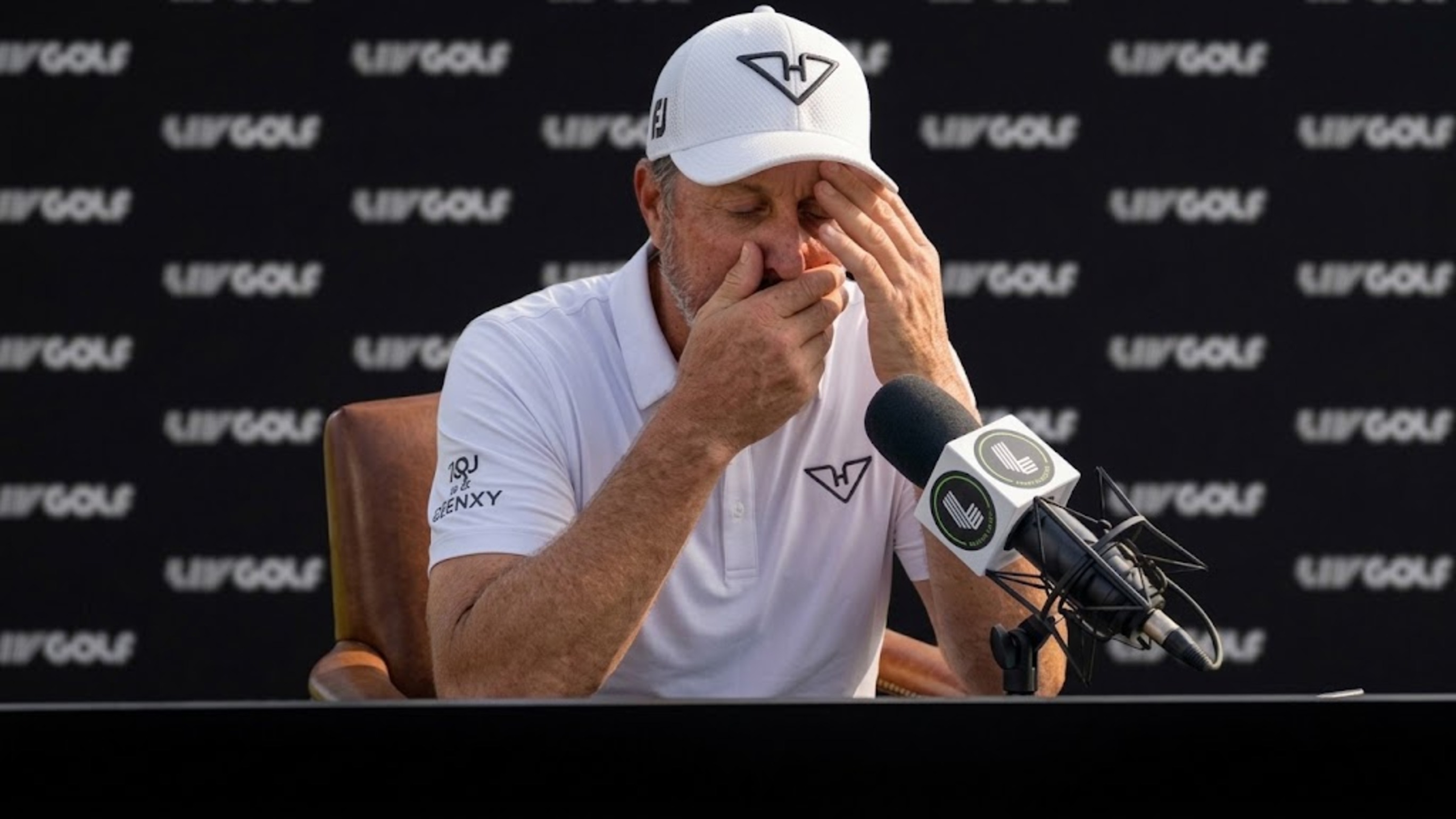
LIV Golf filed for Chapter 11 bankruptcy protection this week, carrying more than $500 million in debt. Saudi Arabia's Public Investment Fund, which had poured over $5 billion into the league since its 2022 launch, is walking away entirely.
This is the moment professional golf's four-year civil war was always going to reach eventually. What happens next will decide whether that war actually ends, or just moves somewhere else.
How bad the numbers actually are
Court filings show LIV owes at least $45 million directly to its own players, with Jon Rahm topping the creditor list at roughly $7.5 million in unsecured claims alone, a figure that doesn't even represent the full remaining value of contracts reportedly worth hundreds of millions. Bryson DeChambeau, Dustin Johnson and Cameron Smith round out the largest player creditors. The filing lists total liabilities between $500 million and $1 billion against assets of $100 million to $500 million.
The bankruptcy automatically terminates existing player contracts, technically freeing LIV's biggest stars to walk away without penalty, even as the league scrambles to convince them to stay through a restructuring built around private equity firm BC Partners, which will now become the primary financial backer.
Why PIF actually pulled out
Saudi Arabia's sovereign wealth fund had already signaled earlier this year that it would end financial support at the close of the 2026 season, tasking LIV with finding new investment or facing exactly this outcome. The league had already canceled events and laid off most of its staff in the months leading up to the filing. This wasn't a sudden collapse; it was the visible end of a slow-motion one.
The path back to relevance
LIV's restructuring plan proposes shifting majority ownership to its own players, a structural pivot that would make the tour genuinely different from the state-backed spending vehicle it's been since launch. CEO Scott O'Neil has framed this as the foundation for a smaller, more sustainable relaunch in early 2027, reportedly organized around national team concepts and leaning on markets like Australia, South Africa and Asia where LIV has found its most durable audiences.That could give LIV a second life, but on very different terms.
What this means for the wider sport
The PGA Tour and DP World Tour have spent years negotiating uneasily with PIF over a framework agreement that never fully closed. LIV's collapse doesn't automatically resolve that standoff, but it does remove the unlimited-spending threat that made those negotiations so fraught in the first place. Some LIV players may look to return to the PGA or DP World Tours, though neither has fully clarified what re-entry would look like for golfers who left under lucrative guaranteed contracts.
Golf spent four years split by money that turned out to be unsustainable. Now that the spending has stopped, does the sport actually reunify around a single ecosystem, or does a leaner, player-owned LIV 2.0 just become a smaller, permanent third front in the same fight?

Sarajevo Back at the Heart of Regional MMA: SFC Returns with Explosive Matchups

How Buzzer Karma Works: Levels, Penalties, and What They Mean

Inside Buzzer's Latest Update (and Why It Changes How You Use the App)

Buzzer Introduces Ads Console: A New Era of Advertising Across the Entire Buzzer Ecosystem

Buzzer Is Evolving: From Quantity to Quality

Buzzer Now Has a Games Hub, and Tournaments Are Coming

Polo Al Taco Expands Its Global Reach Through Weekly Livestreams on Buzzer Arena TV

Al Ittihad SC's Matches Are Now Live on Buzzer

Palm City vs Gulf United Ends in 1–1 Draw in UAE Second Division League Clash

"We Don't Take the Guy With the Camera." He Built His Own Club Anyway. Now He's Coming to Find You.


