




 0
0
World Rugby Is Fighting 1,000 Brain-Damaged Former Players in Court
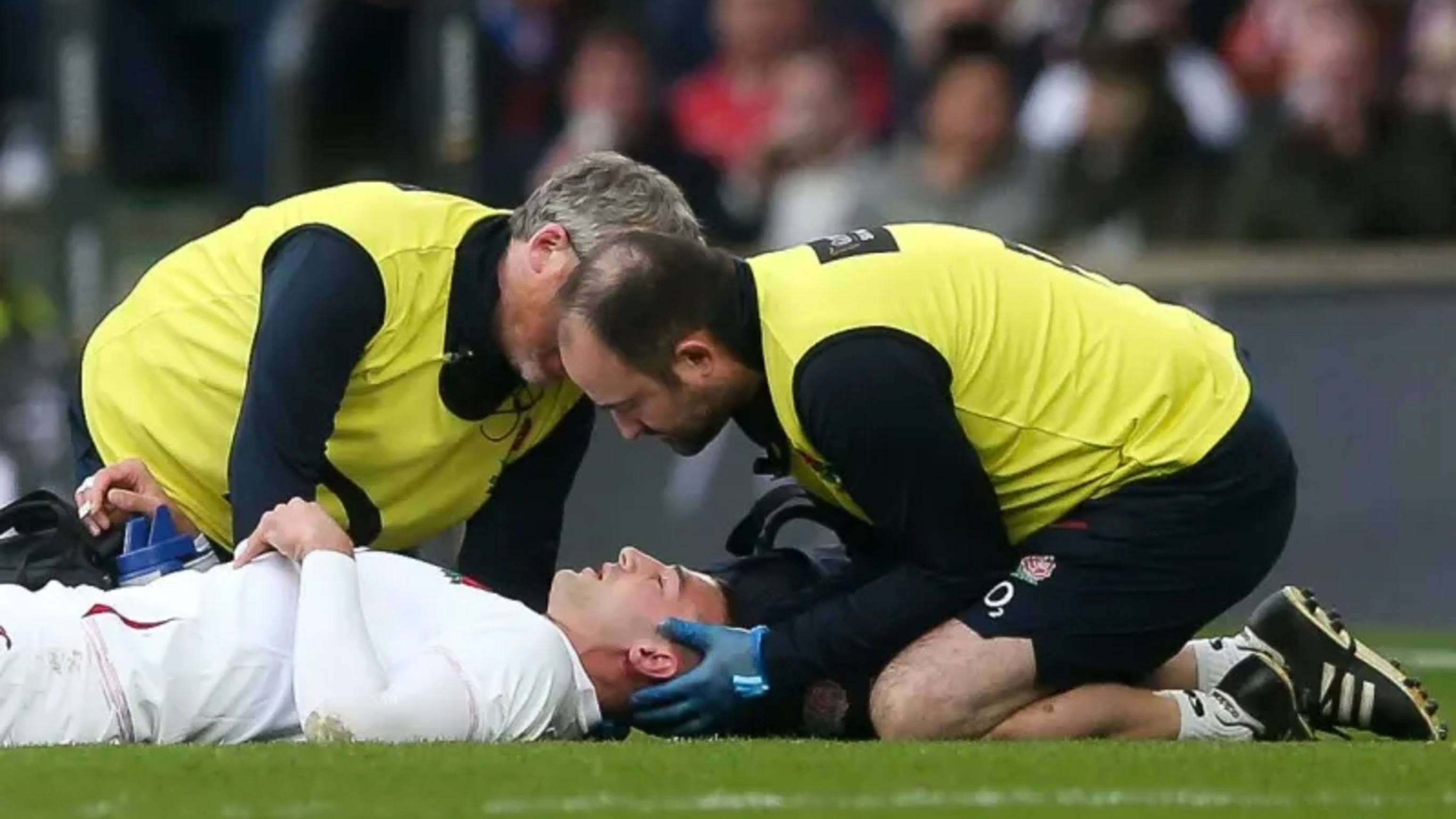
More than a thousand former rugby players believe the sport they gave their bodies to knew the risks of brain damage and let them keep playing anyway. In February 2026, World Rugby filed its formal legal defense, and it didn't offer them much sympathy.
A Class Action That Kept Growing
The lawsuit, led by London law firm Rylands Garth, began in 2022 with a small group of former professional and amateur players and has since swelled to roughly 1,100 claimants, spanning both rugby union and rugby league.
The players allege repeated concussive and sub-concussive head impacts during their careers left them with serious neurological conditions, including early-onset dementia, Parkinson's disease, motor neurone disease, epilepsy, and chronic traumatic encephalopathy, the degenerative brain disease linked to repeated head trauma across contact sports.
Among the highest-profile claimants is Steve Thompson, the World Cup-winning former England hooker, along with former New Zealand prop Carl Hayman and former Wales flanker Alix Popham, all of whom have spoken publicly about their diagnoses.
The Defense That Denies Almost Everything
World Rugby's response, filed alongside the Rugby Football Union and Welsh Rugby Union, denies owing any legal duty of care to the players at all.
The governing bodies argue that head and brain injury is a foreseeable and inherent risk that everyone who plays the sport voluntarily accepts, and specifically deny knowing at any relevant point in time about established scientific evidence linking non-concussive head impacts to long-term neurological injury.
The defense goes further, describing the claimants' allegations as too vague to properly respond to, using the word embarrassing 19 separate times to characterize gaps in how the case has been presented.
Why the Underlying Science Is Also on Trial
Part of what makes the case so difficult to resolve cleanly is that the safety protocols World Rugby relies on to defend its conduct are themselves under a cloud.
The governing body's return-to-play and concussion assessment rules were built on research from the Concussion in Sport Group, whose lead author resigned in 2022 after being found responsible for ten separate counts of plagiarism, a scandal that's cast real doubt on how solid the scientific foundation behind decades of player safety policy actually was.
Claimants argue that undermines World Rugby's central defense, that it acted reasonably based on the best available science at the time, since the science itself is now facing serious credibility questions.
A Problem Spreading Beyond the Courtroom
The financial ripple effects are already reaching beyond litigation. In March 2026, Zurich Insurance withdrew total and permanent disability coverage specifically for traumatic head injury and CTE for Australian Football League players, effective that May, leaving more than 500 professional athletes in a completely different contact sport suddenly without a safety net commercial insurers were previously willing to provide.
Rugby's case is also just one of three similar actions working through the courts right now, with governing bodies in both rugby league and soccer facing near-identical lawsuits from their own former players.
Whichever way the case eventually lands, it's already reframed the sport's central bargain. Rugby has always sold itself on physical courage and collision as core parts of its identity. What a thousand former players are now arguing, in painstaking legal detail, is that nobody in charge told them clearly enough what that courage might actually cost.


