

 0
0
Goalkeepers Wear Wild Jerseys Because of a Referee Problem From a Century Ago
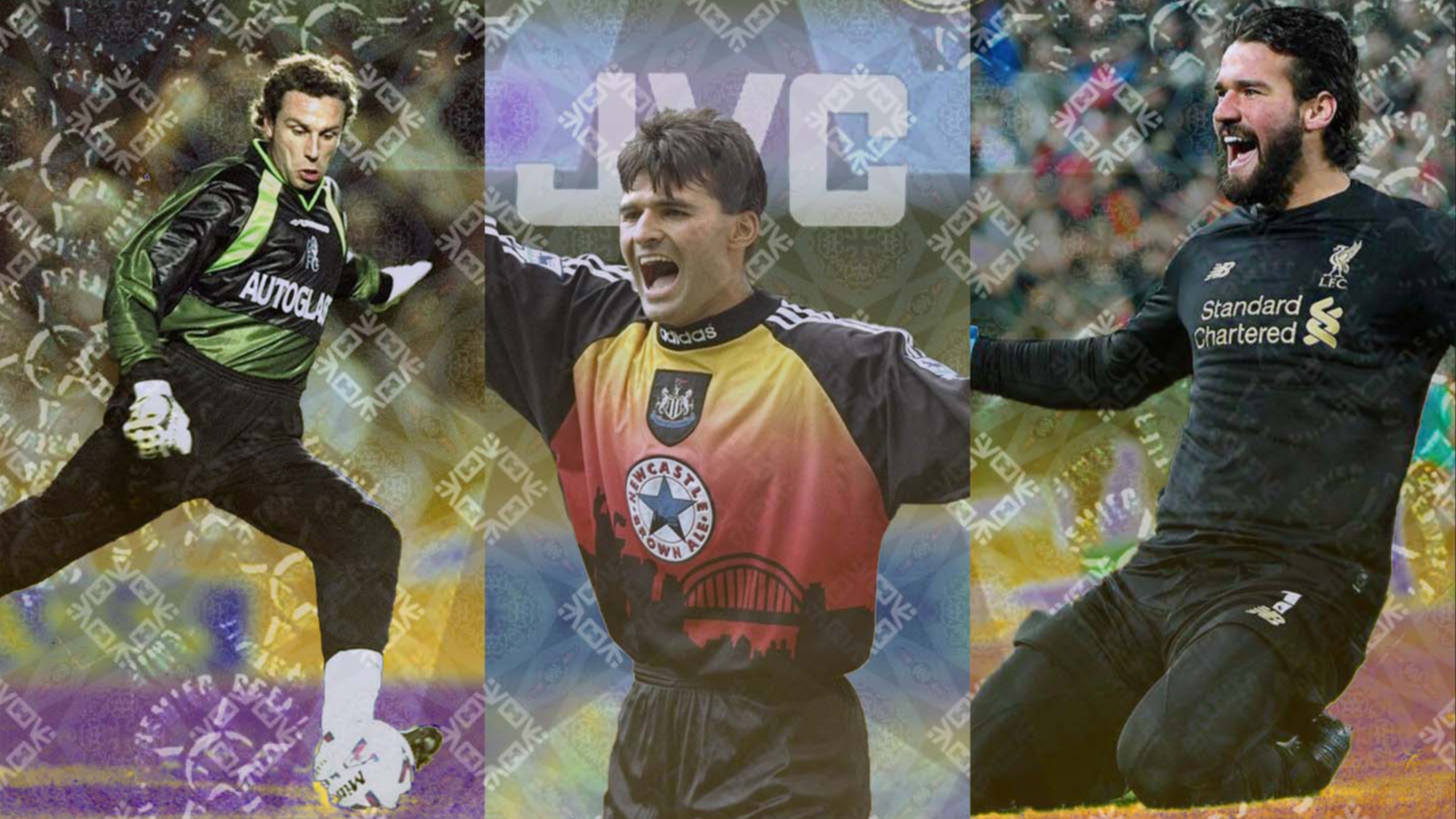
Football’s goalkeepers wear some of the most extravagant, occasionally bizarre kits in professional sport, neon colors and patterns that would look completely out of place on any outfield player.
That freedom exists entirely because of a boring administrative problem from over a century ago: referees genuinely couldn’t tell goalkeepers apart from everyone else on the pitch.
When nobody could tell who was allowed to use their hands
In football’s early decades, players across a team wore essentially identical kits, with no numbers and no visual distinction marking the one player legally allowed to handle the ball. That created real confusion during matches, since referees needed to instantly identify the goalkeeper to correctly judge fouls, handballs, and dangerous play in a crowded penalty area.
Scotland moved first in 1909, instructing goalkeepers to wear a different colored jersey from their outfield teammates, one of the earliest formal steps toward the rule that’s now universal.
In 1921, the International Football Association Board went further, ruling that goalkeepers in international matches should wear yellow shirts specifically. England’s delegate actually pushed for red instead, but Welsh football officials objected and the proposal was rejected in favor of yellow.
Decades of a narrow, boring palette
For most of the 20th century, goalkeeper kits stayed tightly restricted. Domestic matches limited keepers to green, blue, scarlet, or white, while international matches specifically called for yellow or black following the 1921 ruling. Green became the overwhelming default choice for one simple, practical reason: very few outfield teams wore green as a primary kit color, so it created reliable contrast without much thought required.
That meant decades of goalkeepers essentially all looking the same, distinguishable from the rest of their team but rarely distinguishable from each other, a plain green jumper worn across different countries and different eras alike.
The rules loosened, and chaos followed
Everything changed once football relaxed its kit color restrictions in the 1970s. Suddenly goalkeepers had genuine creative freedom for the first time in the sport’s history, and manufacturers and players ran with it enthusiastically.
Peter Schmeichel became known in the 1990s for oversized, brightly colored, almost flamboyant jerseys, a choice he later explained was partly strategic: making his already large frame look even bigger to shrink the goal psychologically in a striker’s mind during one-on-one situations.
Mexico’s Jorge Campos took the aesthetic even further, wearing kits so loud and colorful they became genuinely iconic on their own, entirely separate from his ability as a goalkeeper.
The rule that never actually changed
Underneath all that visual chaos, the original functional requirement never went away. Modern football’s Law 4 still requires every goalkeeper to wear colors clearly distinguishable from both sets of outfield players and the match officials, the exact same referee-clarity problem that started this whole tradition over a century ago. It’s just that the range of acceptable colors expanded from a handful of muted options to essentially anything a kit designer can dream up.
There’s research suggesting the color choice can carry a real tactical edge too. Studies of penalty kick data have found that strikers convert fewer attempts against goalkeepers wearing red, likely tied to subconscious associations between red and danger that show up across multiple species, humans included.
A century-old refereeing headache accidentally created one of the only genuine style playgrounds left in professional football, where players get to make a personal aesthetic statement inside a sport otherwise governed by strict kit uniformity.
Do you think goalkeeper kits should stay this unrestricted and creative, or has the aesthetic gone too far past its original practical purpose?


 1
1