




 1
1
A Judging Scandal at the Olympics Led to Two Gold Medals Instead of One
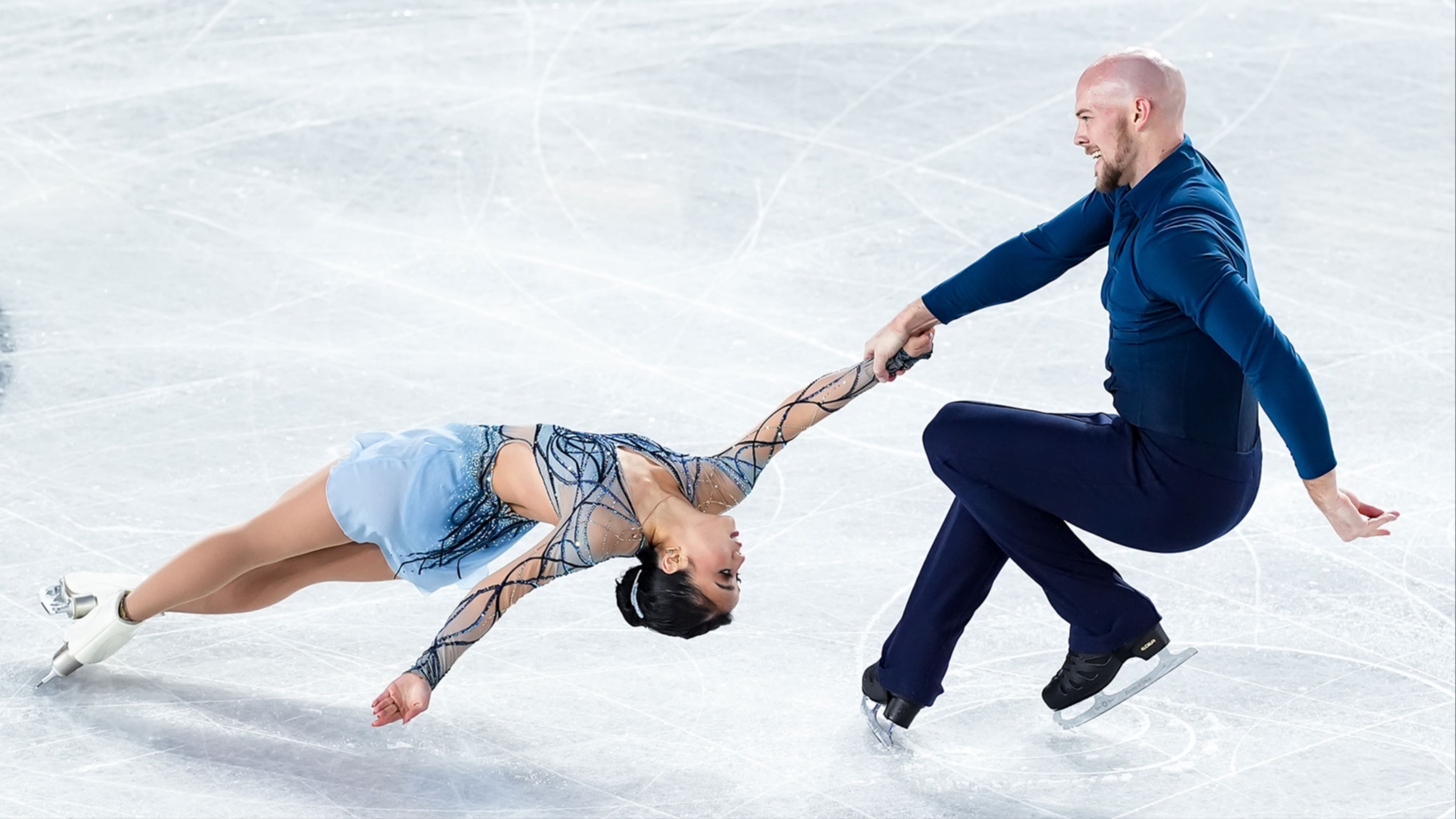
At the 2002 Winter Olympics in Salt Lake City, a Canadian pair, Jamie Salé and David Pelletier, skated what many judges and fans considered a clearly superior performance in the figure skating pairs event.
The gold medal went to a Russian pair instead.
The scoring controversy that followed was so serious that Olympic officials eventually did something they’d almost never done before: they awarded a second gold medal to fix it.
A result that didn’t add up
Salé and Pelletier’s free skate program was widely praised as technically stronger and more artistically polished than the Russian pair’s performance. Commentators, rival skaters, and much of the watching public expected them to win. When the judges’ scores instead favored the Russian pair, the reaction was immediate and furious, with many accusing the judging of being unfair or even fixed in advance.
The judge who confessed
The situation escalated dramatically within days, when a French judge, Marie-Reine Le Gougne, reportedly admitted under pressure that she’d been told by French skating officials to vote for the Russian pair regardless of how the performances actually compared, allegedly as part of a wider, informal deal involving a separate ice dancing event where a French pair hoped to benefit in return.
Le Gougne later partly recanted parts of her statement, but the damage to the judging system’s credibility was already done.
The International Olympic Committee and figure skating’s governing body investigated the allegations directly. Rather than reverse the original result outright, they made an unusual decision: award the Canadian pair a second gold medal as well, letting both pairs stand as co-champions rather than stripping the Russian pair of their medal entirely.
A scandal that changed how figure skating gets scored
The controversy didn’t just produce two gold medals. It forced figure skating to fundamentally rethink how it judges performances at all. The sport’s traditional scoring system, built around subjective marks like the famous 6.0 scale, was seen as too vulnerable to exactly this kind of behind-the-scenes influence between judges from different countries.
Figure skating’s governing body introduced a completely new scoring system a few years later, breaking performances down into specific, itemized technical elements each worth a set number of points, alongside separate component scores for things like artistry and skating skill.
The goal was to make results depend more on measurable, specific criteria and less on judges’ broad personal impressions, which could be more easily influenced by outside pressure.
A scandal with a lasting legacy
More than two decades later, the 2002 pairs scandal remains a genuinely defining judging controversy in Olympic history, not just for what happened on the ice, but for how directly it forced an entire sport to redesign its own scoring system from the ground up.
Should sports with subjective judging always build in extra safeguards against this kind of behind-the-scenes influence, or is some level of trust in judges simply unavoidable in any sport that isn’t purely decided by a stopwatch or a scoreboard?


