





 0
Wilt Scored 100 Points in One NBA Game. Six Decades Later, Nobody's Even Close
On March 2, 1962, Wilt Chamberlain scored 100 points in a single NBA game, playing for the Philadelphia Warriors against the New York Knicks. There's no video footage of it. The game wasn't even televised, and most of what's known comes from radio calls, newspaper accounts, and secondhand memory.
Sixty-plus years later, it's still the standing record, and it's not particularly close.
The closest anyone's gotten
Kobe Bryant scored 81 points against the Toronto Raptors in 2006, the second-highest total in league history and still 19 points shy of Chamberlain's number. No other player in the modern era has gotten within 30 points of it, despite decades of increasingly skilled, athletic, and specialized scorers coming through the league since then.
That gap matters. Scoring records in most sports get chased down gradually as the game evolves and athletes get bigger, faster, and more efficient. This one has had over sixty years and multiple generations of elite scorers pass it by without getting close, which is unusual for any individual statistical mark in a sport this heavily analyzed and obsessed over.
Why the game itself makes it almost unrepeatable
The pace of NBA basketball in 1962 was dramatically faster than today, with far more possessions per game and far less emphasis on defensive schemes built specifically to shut down one scorer at all costs. Chamberlain also attempted 63 shots that night, a volume that would be almost unthinkable for a single player in a modern offense built around ball movement, spacing, and shot selection efficiency.
Modern defenses are built explicitly to prevent exactly this kind of outlier performance. Double and triple teams exist specifically because Chamberlain's game, among others from that era, proved what one dominant scorer could do without them if left alone.
The workload was almost as remarkable as the points
Chamberlain didn't reach 100 by simply catching fire from outside the arc. He scored 100 points on 36 made field goals and 28 made free throws, while playing all 48 minutes of the game. He also finished with 25 rebounds. The combination of scoring volume, minutes and physical workload is what makes the performance so difficult to recreate today. Even if a modern superstar somehow reached 80 or 90 points, asking that player to stay on the floor for the entire game while maintaining that level of efficiency would make the final stretch extraordinarily difficult.
A record without film to back it up
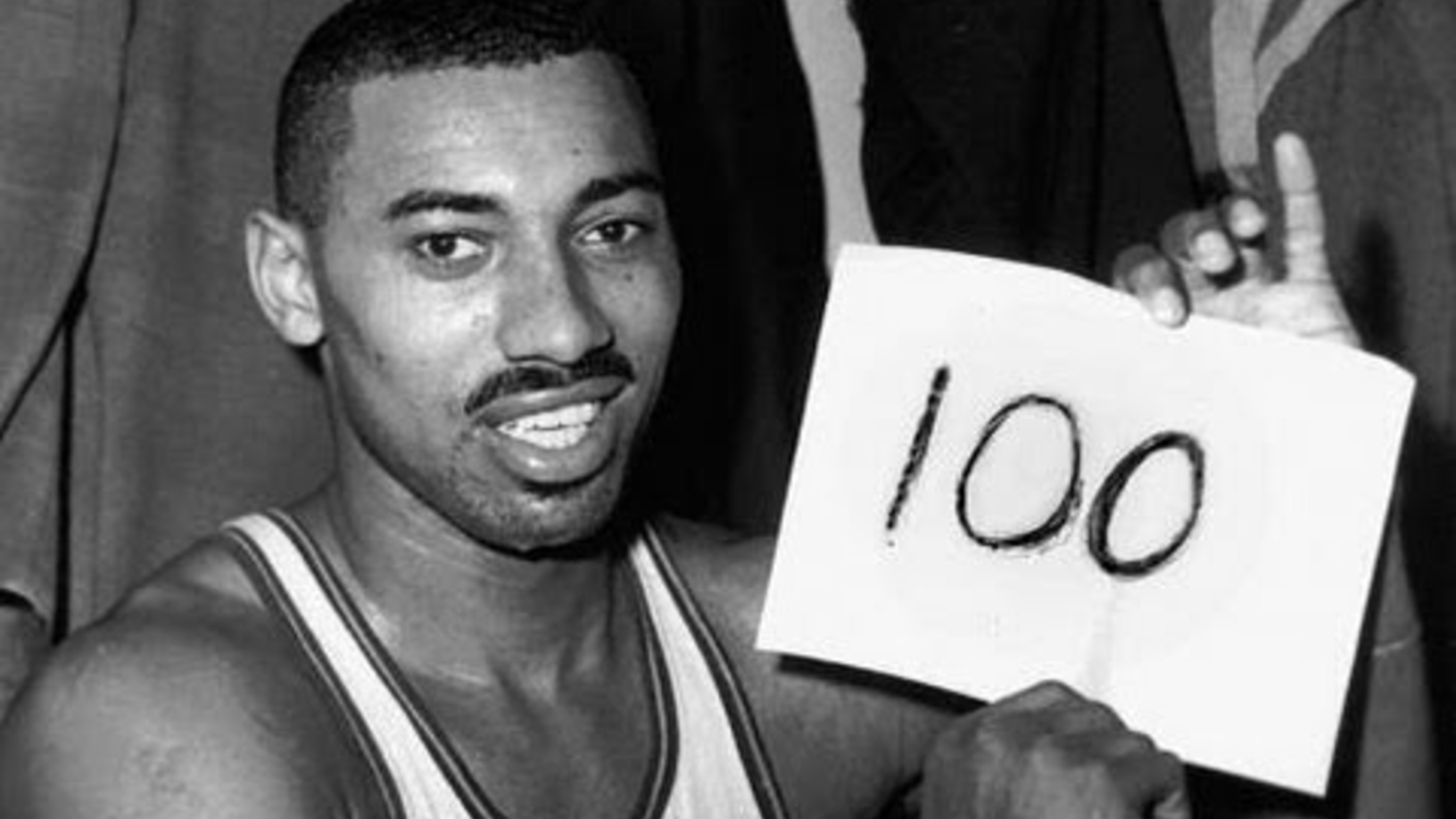
Because the game predates modern broadcast standards, most people have never actually seen it happen and never will. There's a famous photo of Chamberlain holding a sign reading "100" after the final buzzer, and that's close to the entire visual record of the night that's survived.
That absence of footage has, if anything, made the number feel more mythical rather than less over the decades since, passed down more as legend than documented fact.
Is a record more impressive when it survives six decades of better athletes trying to catch it, or does the lack of video make it impossible to know how much of it was genuinely repeatable and how much was a product of a completely different era of the game?

Sarajevo Back at the Heart of Regional MMA: SFC Returns with Explosive Matchups

How Buzzer Karma Works: Levels, Penalties, and What They Mean

Inside Buzzer's Latest Update (and Why It Changes How You Use the App)

Buzzer Introduces Ads Console: A New Era of Advertising Across the Entire Buzzer Ecosystem

Buzzer Is Evolving: From Quantity to Quality

Buzzer Now Has a Games Hub, and Tournaments Are Coming

Al Ittihad SC's Matches Are Now Live on Buzzer

Palm City vs Gulf United Ends in 1–1 Draw in UAE Second Division League Clash

"We Don't Take the Guy With the Camera." He Built His Own Club Anyway. Now He's Coming to Find You.

Building the Infrastructure Sports Tech Forgot


 1


