





 1
Hamilton vs Ferrari: When Does a Dream Move Become the Wrong Career Move?
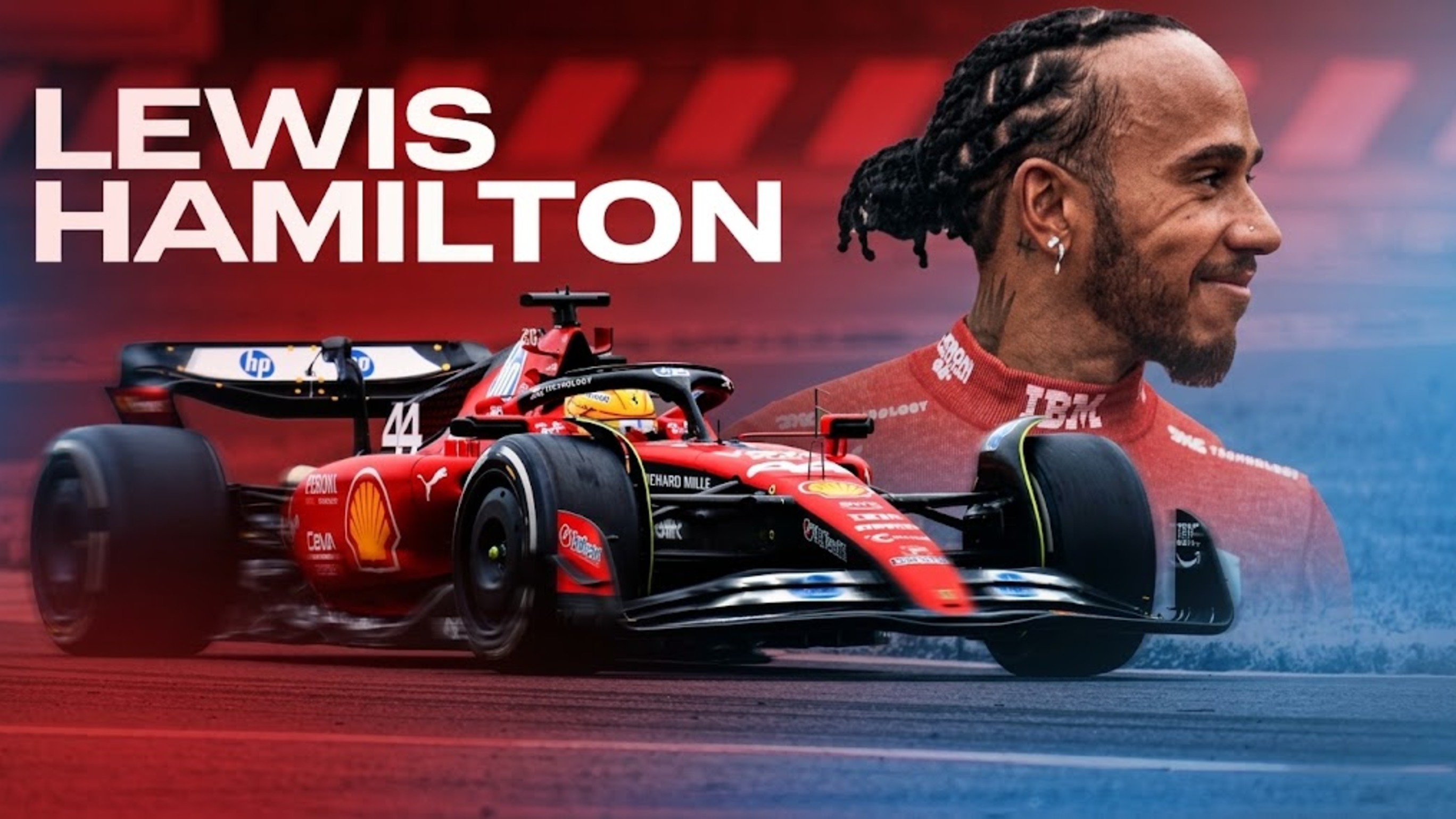
Lewis Hamilton left Mercedes for Ferrari chasing something he'd never had: a championship in red, driving for the team he grew up idolizing. At Monza, Ferrari's own home race, he finished sixth, more than 20 seconds off the win, and is now 79 points behind Kimi Antonelli, the driver who inherited his old Mercedes seat.
"Obviously I'm devastated by the result," Hamilton said afterward. "I just didn't have it, and it was a very difficult sixth place."
Why this move always carried genuine risk
Switching teams at the top level of any sport means trading a known, well-understood system for an unknown one, and Hamilton's Ferrari move was always a bet that the team's historic prestige and technical potential outweighed the uncertainty of adapting to entirely new engineers, a new car philosophy, and a new competitive culture in his late thirties. That's a harder transition than it looks from the outside, even for a seven-time champion.
The car he left behind, now driven by his own successor, is leading the championship. That's about as stark a real-time comparison as elite sport ever produces for a player who changed teams.
Why raw results alone don't fully answer whether the move was wrong
A single difficult season, even a genuinely bad one, doesn't automatically prove a career decision was mistaken. Ferrari's competitiveness this year reflects broader factors, the team's adaptation to sweeping new 2026 regulations, Monza specifically exposing a known straight-line speed weakness, that exist independently of which driver is behind the wheel.
Separating "this was the wrong move" from "this has been a genuinely difficult transitional season" requires more evidence than one disappointing year, however painful that year has felt in the moment.
Why the Leclerc tension complicates the picture further
Hamilton's frustration at Monza wasn't only about pace. It was compounded by a costly on-track incident with his own teammate, forcing him off the circuit at the very start of the race. Navigating a genuinely competitive internal teammate dynamic, on top of adapting to a new team's systems and a new car's characteristics, adds a layer of difficulty that a move within an already-established team wouldn't have required.
That combination, external competitive pressure plus internal friction, is a much harder environment to produce results in than a stable, familiar setup.
What would actually determine whether this was the right decision
The honest answer likely won't be clear for another year or two, once Hamilton has had a full offseason to settle into Ferrari's systems and the team has had time to fully adapt to the new regulations. A career-defining move like this is rarely judged fairly off one transitional season, however painful the individual results feel in real time.
Hamilton chased a childhood dream and landed in one of the hardest seasons of his career at almost exactly the same moment. Is that simply the honest cost of pursuing a dream this late in a legendary career, or is there a real chance this move ends up defined by what he gave up rather than what he gained?

Sarajevo Back at the Heart of Regional MMA: SFC Returns with Explosive Matchups

How Buzzer Karma Works: Levels, Penalties, and What They Mean

Inside Buzzer's Latest Update (and Why It Changes How You Use the App)

Buzzer Introduces Ads Console: A New Era of Advertising Across the Entire Buzzer Ecosystem

Buzzer Is Evolving: From Quantity to Quality

Buzzer Now Has a Games Hub, and Tournaments Are Coming

Polo Al Taco Expands Its Global Reach Through Weekly Livestreams on Buzzer Arena TV

Al Ittihad SC's Matches Are Now Live on Buzzer

Palm City vs Gulf United Ends in 1–1 Draw in UAE Second Division League Clash

"We Don't Take the Guy With the Camera." He Built His Own Club Anyway. Now He's Coming to Find You.


 4


