

 0
0
This Team Didn’t Have 11 Players Until Hours Before Kickoff
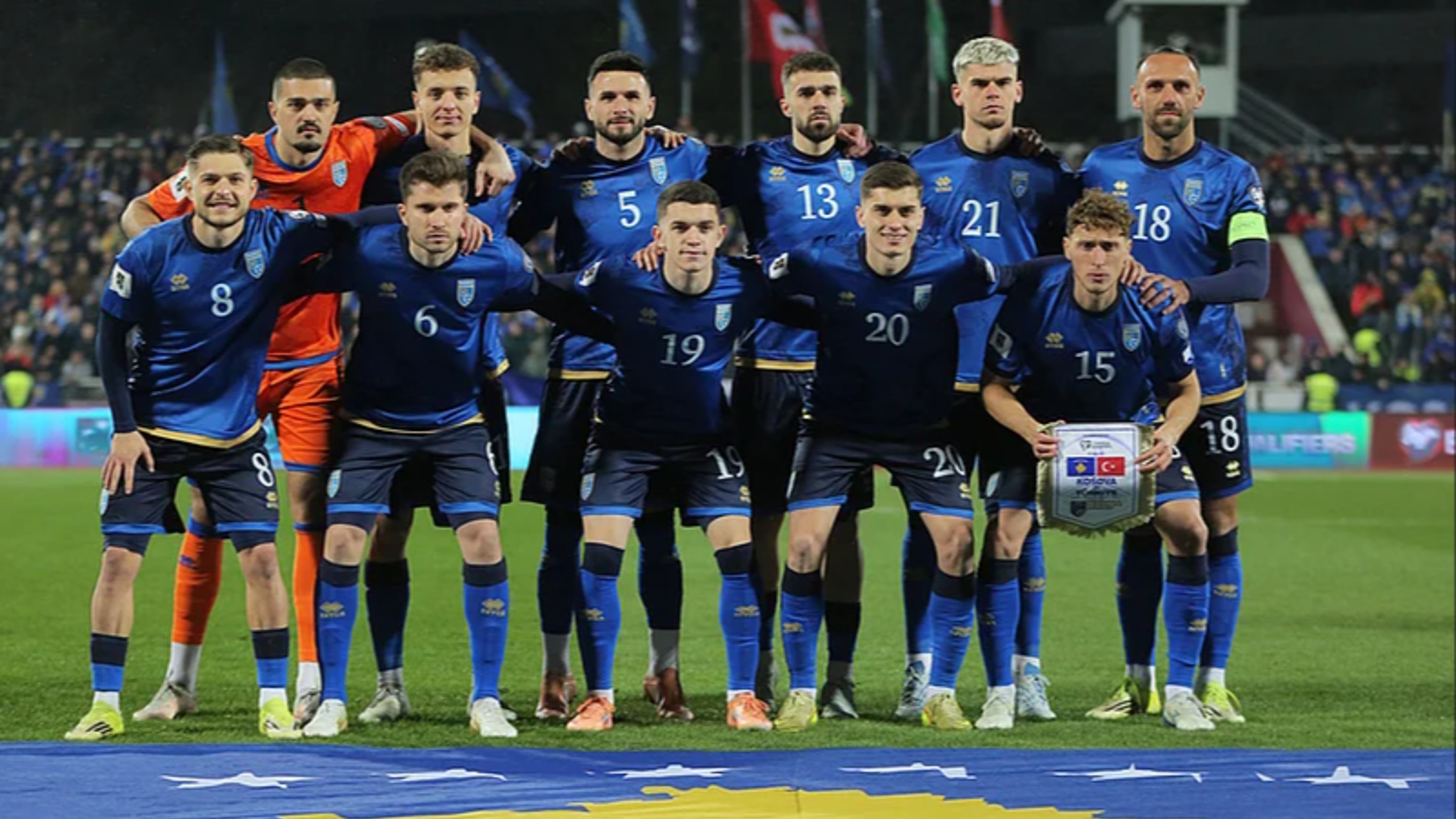
In September 2016, Kosovo’s national football team walked out for its first ever competitive match, a World Cup qualifier against Finland. Hours before kickoff, the team still didn’t have a full squad.
Officials were waiting on FIFA’s approval for several players who had previously represented other countries. Nobody knew for certain who would actually take the field that day.
A long fight just to exist
Kosovo declared independence from Serbia in 2008. For years afterward, the country’s football federation fought simply to be recognized as a real football nation. FIFA rejected Kosovo’s early applications, arguing that admitting a team from a country not every nation recognized would break FIFA’s own rules. In 2014, FIFA finally allowed Kosovo to play friendly matches, but without a flag or national anthem, still refusing full membership.
Fadil Vokrri, a former star player turned federation president, spent years pushing the case. He argued simply that Kosovo loved football, that its fans deserved a real team, and that there was no good reason to keep blocking it. He didn’t live to see the breakthrough. Kosovo finally became UEFA’s 55th member in May 2016, and FIFA followed just over a week later.
A shaky, historic debut
That first competitive match against Finland ended in a 1-1 draw, a genuinely good result for a brand new international team still working out who was even eligible to play. Kosovo’s road since then has been rocky but real. They’ve beaten teams that have played at the World Cup. They’ve also suffered painful losses, including a 6-0 defeat to Croatia in their very first qualifying campaign.
What the fight was really about
Before official recognition, many talented players from Kosovo simply played for other countries instead, since there was no Kosovo team to represent. Albania, Switzerland, and other neighboring nations benefited for years from Kosovo-born talent that had nowhere else to go. Recognition gave those future players, and an entire country of football-loving fans, a team of their own to finally cheer for.
Kosovo’s team still carries real symbolic weight beyond simple results on the field. Every match is, in some sense, still proof that the years of fighting for recognition actually meant something.
Growing pains, but real progress
Since that shaky debut, Kosovo has slowly built something more stable. Under coach Bernard Challandes, the team went on an unbeaten run of 15 matches between 2017 and 2019, a genuinely impressive stretch for such a young program still working out its own identity on the pitch. That run included Kosovo’s first ever appearance in the UEFA Nations League, where they topped their group and earned promotion, along with a playoff spot for Euro 2020 qualifying, their first real pathway to a major tournament.
The team has also had to manage a strange, delicate situation around player eligibility. For years before Kosovo existed as a recognized football nation, talented young players from the region had no choice but to represent other countries, including Albania, Switzerland, and Serbia. Some of those players later switched allegiance to Kosovo once it became possible, while others had already built their entire international careers elsewhere and chose to stay.
That’s left Kosovo’s federation constantly balancing new local talent against the occasional late addition of a player who grew up dreaming of playing for a different flag entirely, simply because Kosovo wasn’t yet an option when they were young.
That balancing act has actually strengthened the team over time rather than weakening it, giving Kosovo access to players who developed inside more established, better funded youth systems abroad while still carrying real personal or family ties back to the country itself.