





 0

Squash Is Built for Spectators. What Has Kept It From Reaching More Fans?
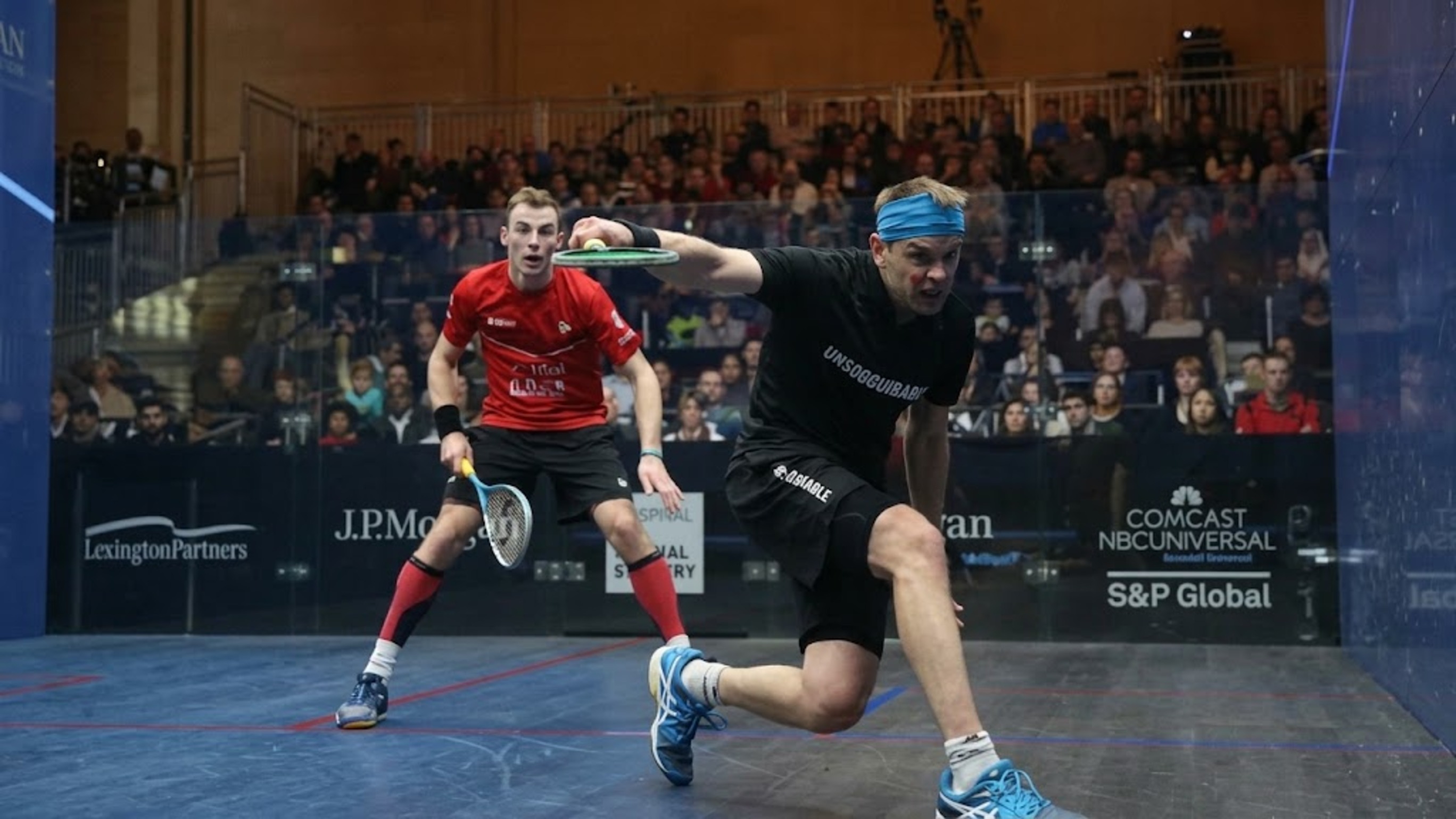
This week, 48 of the world’s best squash players are in Redwood City, California, for the Silicon Valley Open. They’re playing for $260,000 in equal prize money on an all-glass court, with finals on Saturday, 24 October.
A great product, one door
SquashTV is owned and run by the Professional Squash Association, the sport’s governing body for the pro tour. According to a Columbia Journalism Review feature, it’s the sport’s sole broadcaster, covers about 45 tournaments a season and has around 25,000 subscribers, paying $13.99 a month or $119.99 a year.
It makes a profit through sponsors and subscribers. The PSA’s chief operating officer, Lee Beachill, told the magazine that it struggles to reach beyond the squash community. SquashTV also holds a monopoly on footage rights. Beachill said the operation was built on a very limited budget, without the money to run a fully fledged TV channel.
The sport is healthy where the data is
The tour is doing fine on its own terms. The PSA announced a record $13.5 million in prize money for the 2025-26 season, up 8 percent, the fifth straight season of growth since the pandemic. Women’s events grew 9.7 percent to $6.49 million.
Average earnings for the top 10 men and women reached $214,423, a rise of 16.7 percent. Mostafa Asal and Hania El Hammamy topped the earnings lists. That’s real growth. It’s also modest next to larger sports, and it comes from a sport that most people have never seen played.
The Olympic test
Squash makes its Olympic debut at the Los Angeles Games in 2028, with 32 players competing at a venue in Universal City from 15 to 24 July. Beachill told the CJR he expects about half of the audience at LA28 to be seeing the sport for the first time.
That’s a first-impressions problem. Squash can’t afford to look confusing or flat when it finally gets a mass audience, and a mass audience tends to give a sport one chance.
The place in the Olympics isn’t guaranteed either. Brisbane, the 2032 host, hasn’t yet announced its programme.
What a better model looks like
There’s already a hint of the fix. In 2025, the semifinals and final of the US Open streamed live on Peacock for the first time, in a deal tied to record prize money at that event.
The model that makes sense is to keep SquashTV as the always-on home for the dedicated fans, and license the biggest events to mainstream broadcasters. Put short highlights on social platforms, where a 10-second rally is hard to ignore.
Short clips alone won’t solve the problem. Broadcasters need to explain the scoring, build player rivalries and make live matches easy to find. The goal is to turn a curious first-time viewer into someone who returns for the next tournament.
Squash may be the only sport where the best seat in the house is behind glass. The sport’s job now is to put everyone else in that seat.
The risk is revenue. SquashTV’s subscriptions are the tour’s most reliable income, and giving the big matches away could weaken them.
Should squash give away its biggest matches for free before the Olympics, even if it risks its only reliable revenue stream?

Sarajevo Back at the Heart of Regional MMA: SFC Returns with Explosive Matchups

How Buzzer Karma Works: Levels, Penalties, and What They Mean
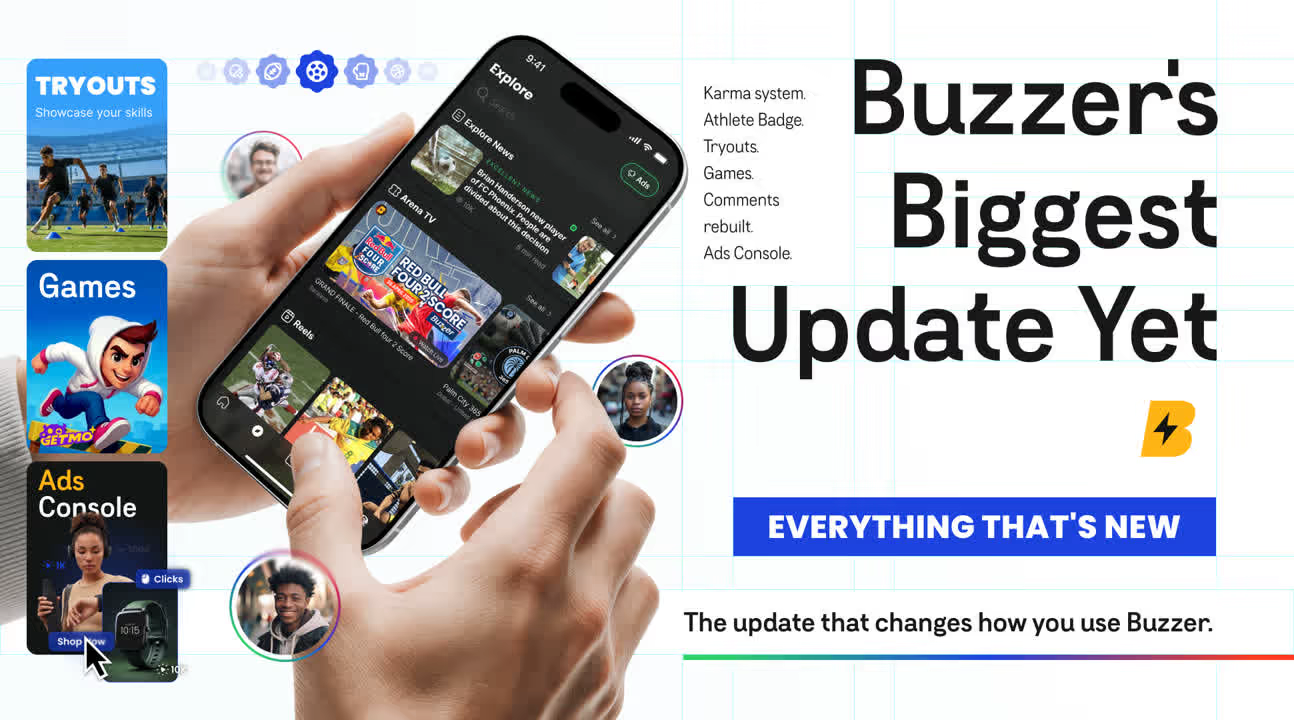
Inside Buzzer's Latest Update (and Why It Changes How You Use the App)

Buzzer Introduces Ads Console: A New Era of Advertising Across the Entire Buzzer Ecosystem

Buzzer Is Evolving: From Quantity to Quality

Al Ittihad SC's Matches Are Now Live on Buzzer

Polo Al Taco Expands Its Global Reach Through Weekly Livestreams on Buzzer Arena TV

Buzzer Now Has a Games Hub, and Tournaments Are Coming

Palm City vs Gulf United Ends in 1–1 Draw in UAE Second Division League Clash
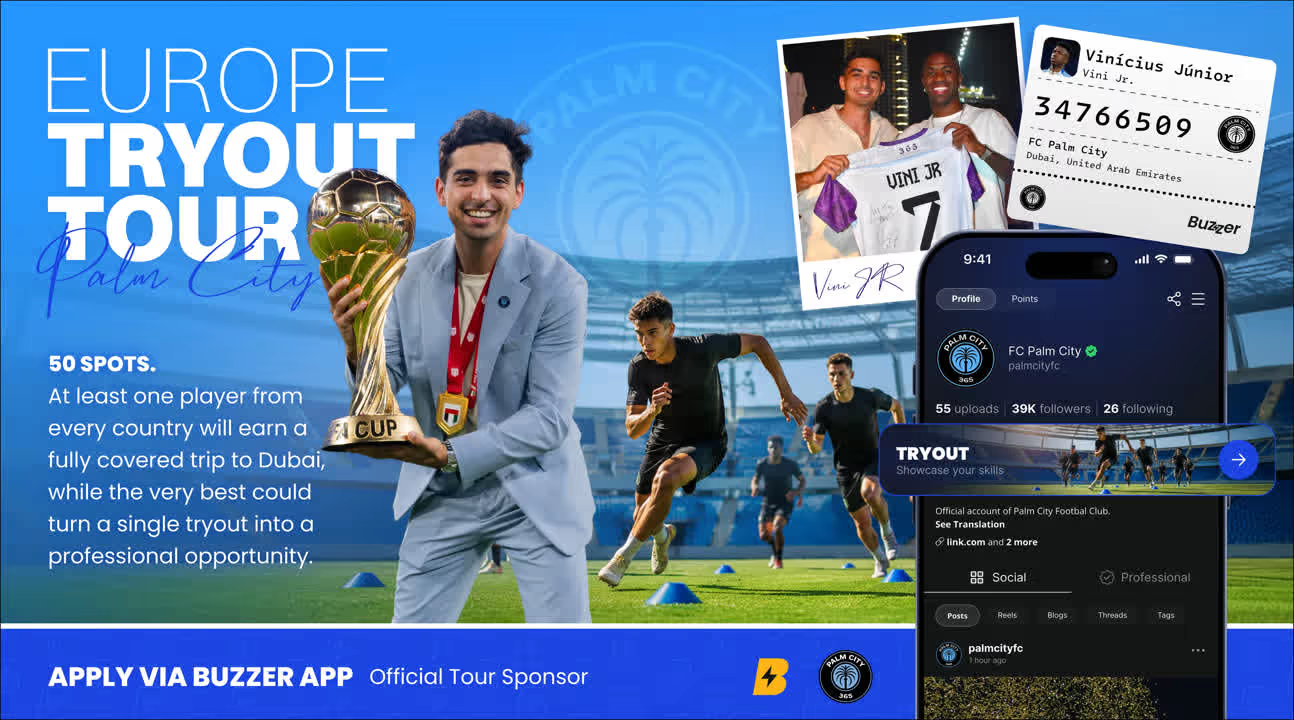
"We Don't Take the Guy With the Camera." He Built His Own Club Anyway. Now He's Coming to Find You.


