





 0
Women’s Rugby Is Rebuilding Its International Calendar From the Ground Up.
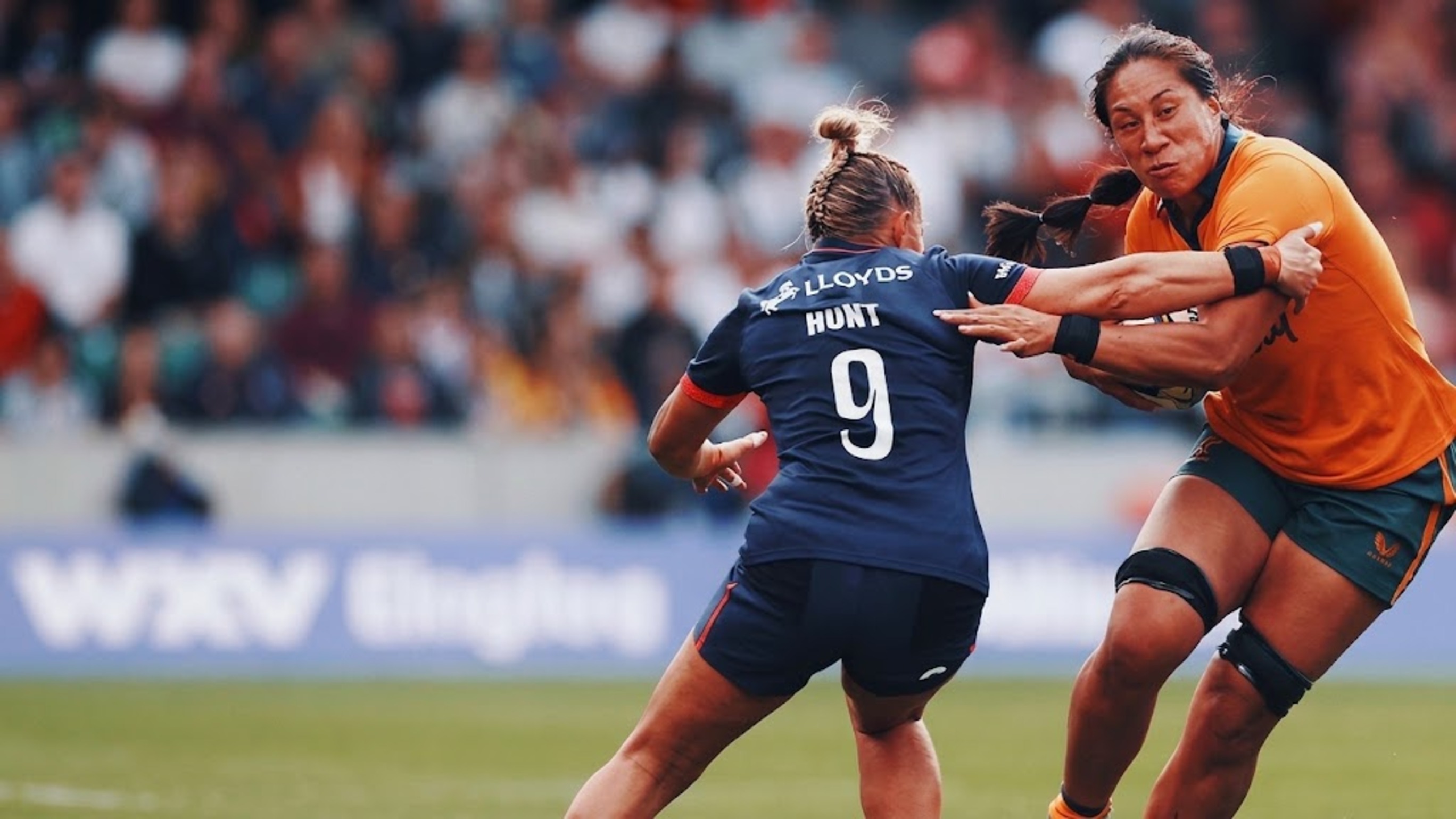
World Rugby launched WXV in 2023 as a three-tier annual tournament, a genuinely significant step toward giving women's national teams consistent, meaningful international fixtures outside the four-year Rugby World Cup cycle. After just two editions, it's already gone, replaced this year by the WXV Global Series, a completely restructured format built around a home-and-away touring model for the top 12 nations and a separately funded, centralized tournament for teams 13 through 18.
That kind of rapid structural overhaul would read as instability in most sports. In the specific context of building a brand-new international competition from scratch, it looks more like a sport genuinely iterating toward whatever actually works, rather than clinging to a launch format simply because it was first.
Why the original three-tier system got scrapped so quickly
The initial WXV format concentrated all fixtures into single hosted tournaments each tier, a structure that worked adequately but limited how many total matches the top nations actually played against each other across a full year. The new Global Series model instead spreads fixtures across a genuine home-and-away touring calendar for the top 12 teams, delivering over 100 international matches across the 2026-28 cycle rather than a handful of tournament windows, while locking teams into fixed positions for three full years to give the whole structure genuine stability.
That's a meaningfully different philosophy: fewer artificial tournament windows, more actual recurring international fixtures, spread across a defined multi-year cycle rather than reshuffled annually based on the previous year's results.
What makes women's rugby's development pathway genuinely different from men's rugby
Men's international rugby has an established, decades-old fixture calendar, Six Nations, Rugby Championship, built around historical rivalries that predate any deliberate design process. Women's rugby doesn't have that luxury. Its entire international calendar is being actively, deliberately constructed in real time, which means World Rugby can genuinely experiment with structural choices, funded centralized tournaments for developing nations, fixed three-year competitive cycles, that men's rugby's calendar, weighed down by tradition and existing broadcast contracts, essentially can't touch.
The funded Global Series Challenger tier specifically, covering nations 13 through 18 and hosted at a single World Rugby-funded venue, directly addresses a problem men's rugby's established structure has never had to solve at this level: financially supporting developing nations' participation rather than assuming they can independently fund international travel and hosting costs.
Why building toward the World Cup matters differently here
The entire WXV Global Series structure is explicitly designed as the central qualification pathway toward the 2029 Women's Rugby World Cup in Australia, a level of direct, purpose-built integration between a sport's secondary competition and its marquee event that men's rugby's more organically evolved calendar has never needed to engineer this deliberately.
Is women's rugby's willingness to rapidly overhaul its own competition structure evidence of a sport genuinely learning and improving in real time, or does restructuring this significant this quickly risk undermining the fixture stability international teams and fans actually need to build a lasting following around?

Sarajevo Back at the Heart of Regional MMA: SFC Returns with Explosive Matchups

How Buzzer Karma Works: Levels, Penalties, and What They Mean

Inside Buzzer's Latest Update (and Why It Changes How You Use the App)

Buzzer Introduces Ads Console: A New Era of Advertising Across the Entire Buzzer Ecosystem

Buzzer Is Evolving: From Quantity to Quality

Buzzer Now Has a Games Hub, and Tournaments Are Coming

Polo Al Taco Expands Its Global Reach Through Weekly Livestreams on Buzzer Arena TV

Al Ittihad SC's Matches Are Now Live on Buzzer

Palm City vs Gulf United Ends in 1–1 Draw in UAE Second Division League Clash

"We Don't Take the Guy With the Camera." He Built His Own Club Anyway. Now He's Coming to Find You.


 1


