





 0
Portugal and Turkey Are Back on F1's Calendar. Neither Left Because the Racing Was Bad.
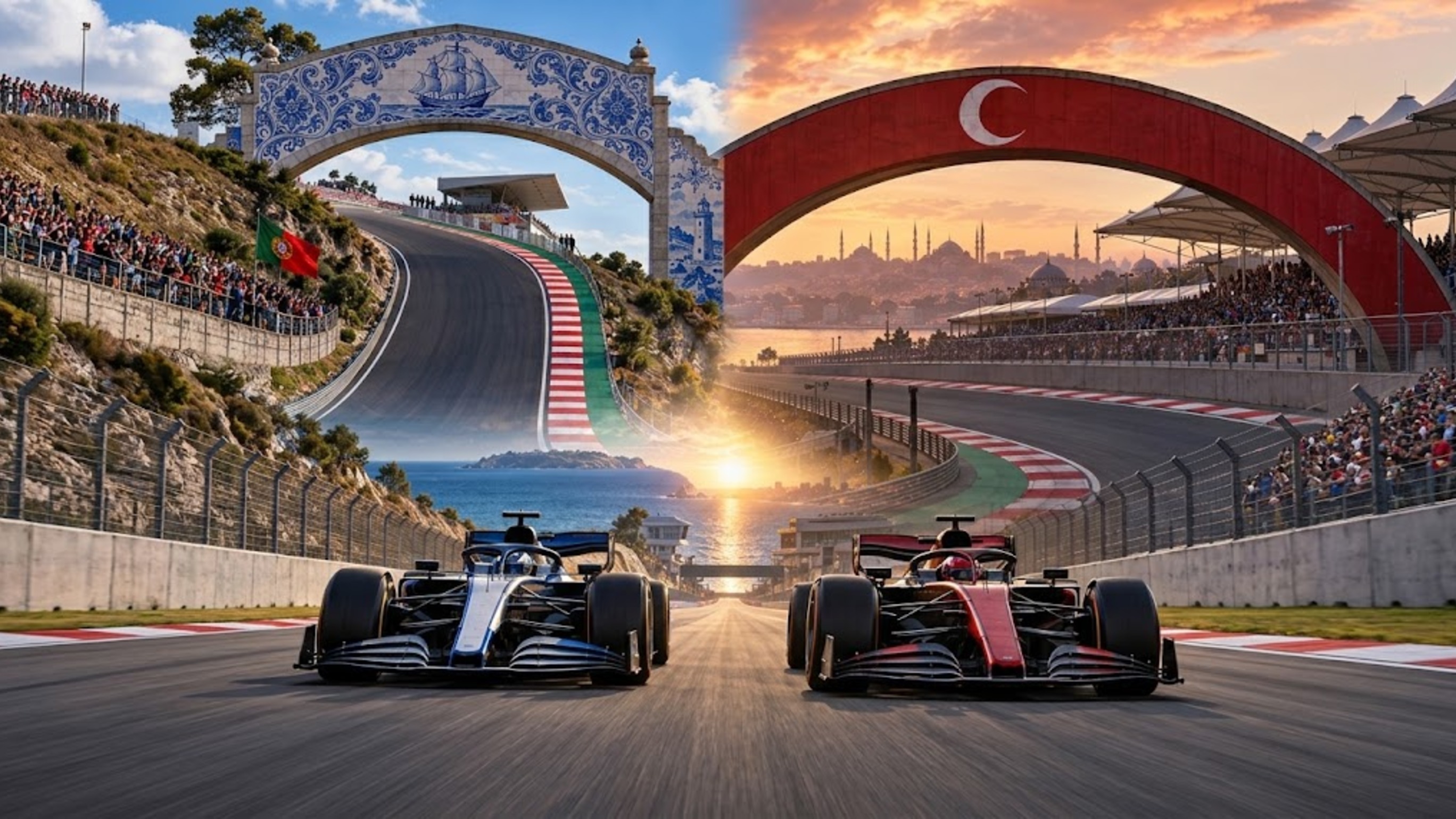
Formula 1's confirmed 2027 calendar brings back both the Portuguese Grand Prix at Portimão and the Turkish Grand Prix at Istanbul Park, six years after either circuit last hosted a round of the championship. Neither circuit was dropped originally for lack of quality racing. Portimão and Istanbul Park are both widely regarded among current and former drivers as genuinely excellent tracks, flowing, technical, with real elevation change and corners that reward precision over raw horsepower.
That contradiction, two circuits fans and drivers actually rate highly, both cycling in and out of the calendar based on factors that have nothing to do with the racing itself, says something real about what actually determines a circuit's place on the modern F1 schedule.
What actually got these two tracks dropped originally
Portimão and Istanbul both entered the calendar as pandemic-era fill-ins in 2020 and 2021, brought in specifically because F1 needed replacement venues once travel restrictions scrapped the normal schedule. Once regular circuits returned to their usual slots, both tracks lost their places again, not because they'd underperformed on merit but because they'd never held a long-term commercial contract in the first place.
That's the actual mechanism deciding circuit inclusion more often than not: multi-year hosting fee agreements between F1 and each promoter, not an ongoing assessment of which tracks produce the best racing. A circuit can be broadly loved by the paddock and still disappear the moment its specific financial arrangement lapses.
The rotation system reshaping Europe's calendar
Spain's Barcelona circuit and Belgium's Spa-Francorchamps now alternate on a year-on, year-off basis starting in 2027, a formal rotation arrangement designed specifically to let F1 fit more European venues into a calendar capped at 24 total races. That cap is the real constraint driving nearly every calendar decision: demand for hosting slots from cities and circuits around the world now exceeds the number of weekends F1 is willing to schedule in a season.
Zandvoort's exit, by contrast, looks more permanent, its promoter reportedly opting not to continue beyond the circuit's existing agreement rather than losing out to a rotation scheme. Different circuits are exiting the calendar for genuinely different reasons, even when the surface-level result, a track disappearing from next year's schedule, looks identical from the outside.
What determines value when demand outstrips supply
With more cities wanting Grand Prix races than F1 has open calendar slots, the sport is increasingly able to treat hosting rights as a genuine seller's market, extracting higher fees and shorter, more flexible contracts from promoters competing against each other for a fixed number of spots. Circuits with strong on-track reputations, like Portimão and Istanbul Park, get first consideration when a slot opens up. Circuits without strong existing commercial relationships, however good the racing, get squeezed out regardless of driver or fan opinion.
Does F1's rotation system genuinely serve the sport's long-term interests by spreading opportunity across more venues, or does it just formalize the reality that no circuit, however well regarded, is ever more than one contract cycle away from disappearing?

Sarajevo Back at the Heart of Regional MMA: SFC Returns with Explosive Matchups

How Buzzer Karma Works: Levels, Penalties, and What They Mean

Inside Buzzer's Latest Update (and Why It Changes How You Use the App)

Buzzer Introduces Ads Console: A New Era of Advertising Across the Entire Buzzer Ecosystem

Buzzer Is Evolving: From Quantity to Quality

Buzzer Now Has a Games Hub, and Tournaments Are Coming

Al Ittihad SC's Matches Are Now Live on Buzzer

Palm City vs Gulf United Ends in 1–1 Draw in UAE Second Division League Clash

"We Don't Take the Guy With the Camera." He Built His Own Club Anyway. Now He's Coming to Find You.

Building the Infrastructure Sports Tech Forgot


 1


