





 0
Aaron Judge Is Back. Can One Player Actually Change a Baseball Season?
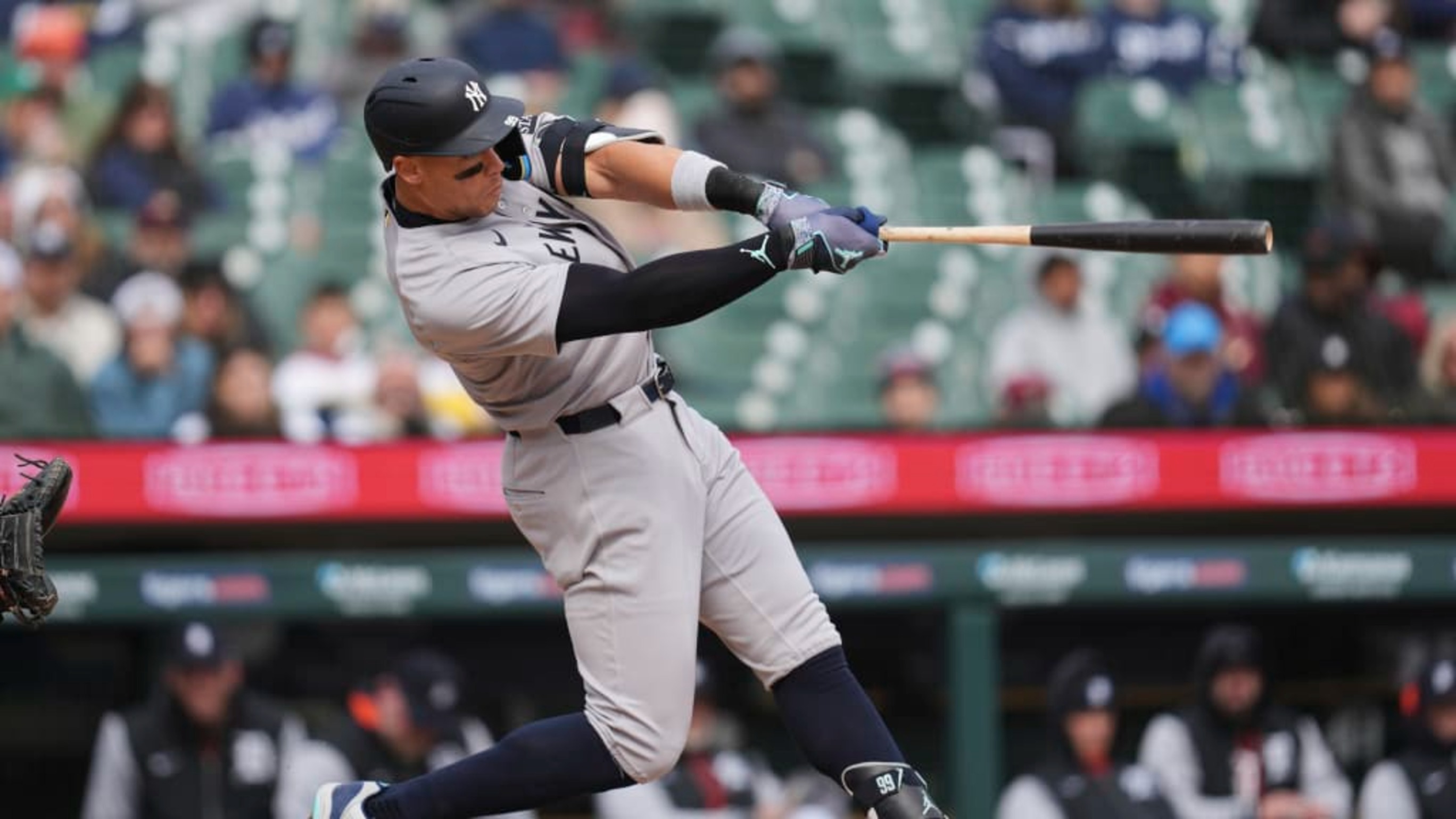
Aaron Judge returned from 84 games on the injured list, stepped into the Yankees lineup against the Colorado Rockies, and went 0 for 3 with two strikeouts before manager Aaron Boone pulled him after six innings as planned. The Yankees won anyway, 5-3, on a three-run homer from his own replacement, Heliot Ramos, who came in once Judge left the game.
It's an almost perfectly ambiguous result for a genuinely interesting question. The Yankees' best player came back and personally contributed nothing offensively, and the team won comfortably regardless. So how much did his return actually matter?
The numbers that suggest he matters enormously
The version of the Yankees without Judge tells a clear story. Before his injury, New York hit .243 as a team with 86 home runs through 59 games. Across the 84 games he missed, that dropped to .227 with a noticeably worse per-game scoring rate, even though the team still managed a winning record over that stretch. The offense clearly missed something specific once Judge left the lineup, even if the pitching staff was strong enough to paper over most of it.
That's a real, measurable team-wide effect tied to one player's absence, not just an assumption based on his individual numbers.
The version of baseball where one player doesn't decide games
At the same time, Tuesday's specific result argues the opposite case just as clearly. Judge went hitless. The Yankees won because their starter struck out ten Rockies batters over seven scoreless innings and because a bench player hit a three-run homer in relief of Judge. In a sport built around nine batters taking turns and a deep pitching staff carrying most of the defensive workload, no single position player controls outcomes the way a quarterback or a point guard sometimes can.
That's part of what makes baseball's star-value question genuinely different from other sports. Judge is unambiguously one of the best hitters alive, and he still went 0 for 3 in a game his team won comfortably without him doing anything.
Why his presence still reshapes everything around him
The more honest answer probably sits between both extremes. Judge's individual performance in any single game matters less than a superstar's performance might in basketball or football. But his presence in the lineup changes what opposing pitchers have to plan around, what protection hitters around him get, and what margin for error the rest of the roster carries into a game. None of that shows up in a single box score the way a 0-for-3 does.
The Yankees went 45-39 without him, a respectable but clearly diminished pace compared to their 36-23 start with him in the lineup. That gap is the real evidence of his value, spread across dozens of games rather than concentrated in any single one.
What his return actually signals with 19 games left
Judge coming back doesn't guarantee the Yankees catch Tampa Bay in the AL East or make a deep playoff run. What it does is restore their best version of themselves right as the games start mattering most, even if his own individual output takes time to fully round back into form after three months away.
If Judge can go hitless in his first game back and the Yankees still win comfortably, what does that actually say about how much any single elite hitter genuinely controls outcomes in a sport built around this many moving parts?

Sarajevo Back at the Heart of Regional MMA: SFC Returns with Explosive Matchups

How Buzzer Karma Works: Levels, Penalties, and What They Mean

Inside Buzzer's Latest Update (and Why It Changes How You Use the App)

Buzzer Introduces Ads Console: A New Era of Advertising Across the Entire Buzzer Ecosystem

Buzzer Is Evolving: From Quantity to Quality

Buzzer Now Has a Games Hub, and Tournaments Are Coming

Polo Al Taco Expands Its Global Reach Through Weekly Livestreams on Buzzer Arena TV

Al Ittihad SC's Matches Are Now Live on Buzzer

Palm City vs Gulf United Ends in 1–1 Draw in UAE Second Division League Clash

"We Don't Take the Guy With the Camera." He Built His Own Club Anyway. Now He's Coming to Find You.


