





 0
Why Does Nobody Actually Understand the Rugby Scrum, Including Half the People Playing It?
Watch any rugby match and count how many times the referee blows the whistle for something inside the scrum that you, sitting on your sofa, genuinely could not identify. It happens constantly. And here's the uncomfortable truth: a lot of the time, the referee couldn't fully see it either.
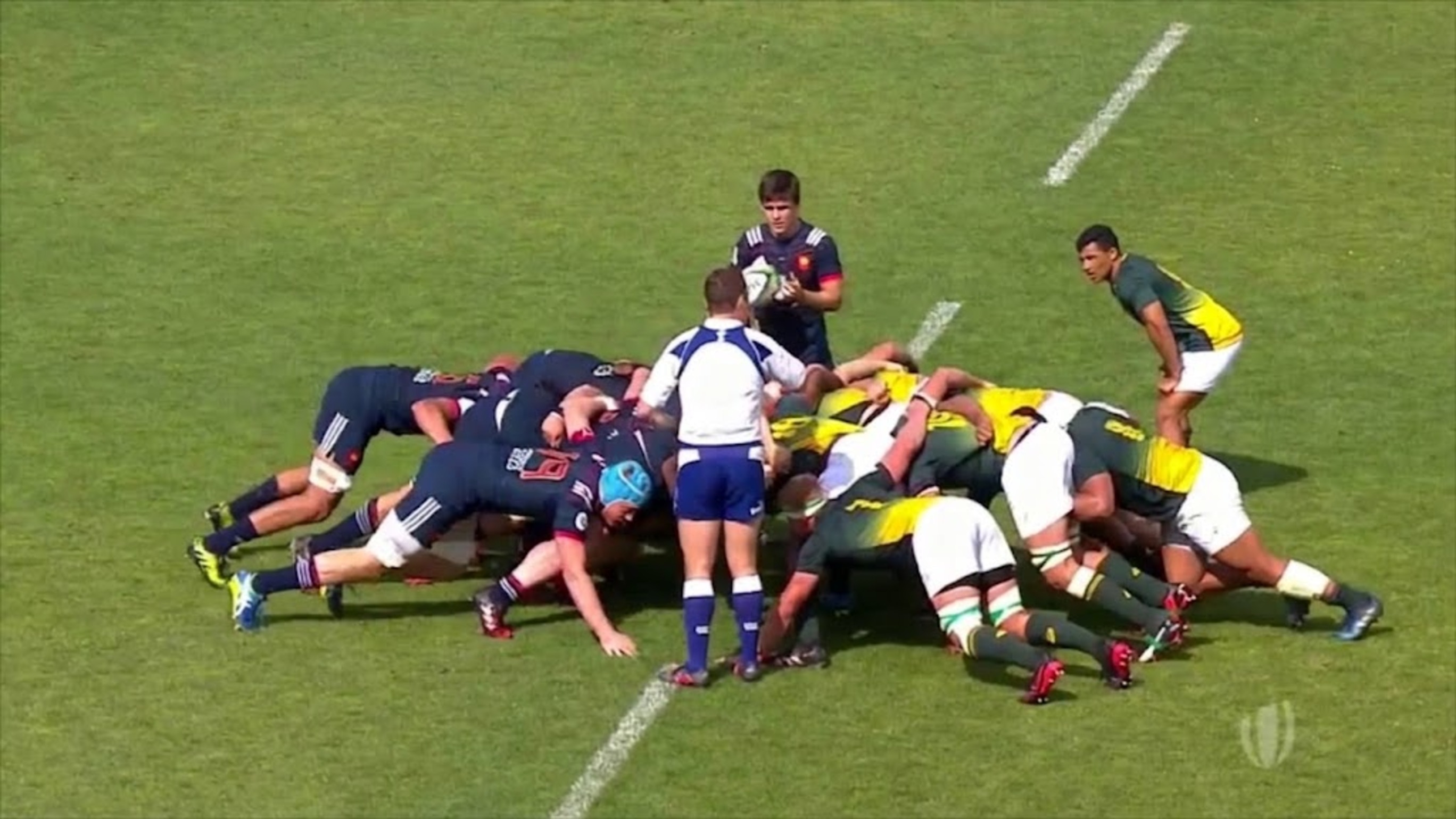
Eight players collapsing a metric ton onto three square meters
A full scrum involves sixteen players binding together and driving forward with a combined force that's been measured at well over a ton in professional matches. All of that pressure is concentrated in a tiny space, mostly hidden from the referee's view by the very bodies generating it.
The front row alone, three players per side, is doing a mechanical job that takes years to learn properly: hooking the ball, maintaining a stable bind, and absorbing pressure from three different directions at once without collapsing or getting driven backward illegally.
The rules were rewritten because the old ones weren't working
World Rugby has changed the engagement sequence for scrums multiple times over the past decade specifically because collapses were causing serious neck and spinal injuries. The old "crouch, touch, engage" call was scrapped in favor of a slower, more controlled sequence designed to reduce the speed and force of the initial hit between front rows.
That change alone tells you how much danger sits inside a phase of play that most fans watch as a mild inconvenience between more exciting moments. For front row forwards, it's the single most physically demanding and technically specific part of the entire game.
Why referees keep guessing
Referees are trained to look for specific cues, a shoulder dropping too early, a front row angling in illegally, a scrum-half feeding the ball crooked, but a lot of what actually causes a scrum to collapse happens through subtle technique that's nearly impossible to see from outside the pack. Even with TV replays and multiple camera angles, pundits regularly disagree on who was actually at fault.
That's not incompetence. It's a genuine structural problem with officiating a contest that happens mostly out of sight, between players whose entire job is to disguise where the pressure is really coming from.
For the players involved, there is another layer fans rarely appreciate. Front-row forwards are constantly making tiny adjustments to body position, grip and pressure while trying to stay within the laws. A scrum can look completely static from the stands while eight players are fighting for inches, communicating through pressure and anticipating the opponent's next move. The chaos is controlled, but only barely. One small change in angle or timing can suddenly turn a stable scrum into a collapse, leaving the referee with seconds to decide what actually happened.
So next time a scrum collapses and the crowd groans at the penalty decision, ask yourself this: if trained referees with the benefit of law changes designed specifically around scrum safety still can't consistently get the call right, should the sport be relying on a subjective penalty system for a phase of play this dangerous and this hard to see?

Sarajevo Back at the Heart of Regional MMA: SFC Returns with Explosive Matchups

How Buzzer Karma Works: Levels, Penalties, and What They Mean

Inside Buzzer's Latest Update (and Why It Changes How You Use the App)

Buzzer Introduces Ads Console: A New Era of Advertising Across the Entire Buzzer Ecosystem

Buzzer Is Evolving: From Quantity to Quality

Buzzer Now Has a Games Hub, and Tournaments Are Coming

Al Ittihad SC's Matches Are Now Live on Buzzer

Palm City vs Gulf United Ends in 1–1 Draw in UAE Second Division League Clash

"We Don't Take the Guy With the Camera." He Built His Own Club Anyway. Now He's Coming to Find You.

Building the Infrastructure Sports Tech Forgot


