





 0
36 World Records Fell in Four Days of Asian Games Weightlifting. Here's Why
Thirty-six world records in four days sounds like an era of superhumans. It's closer to an accounting story.
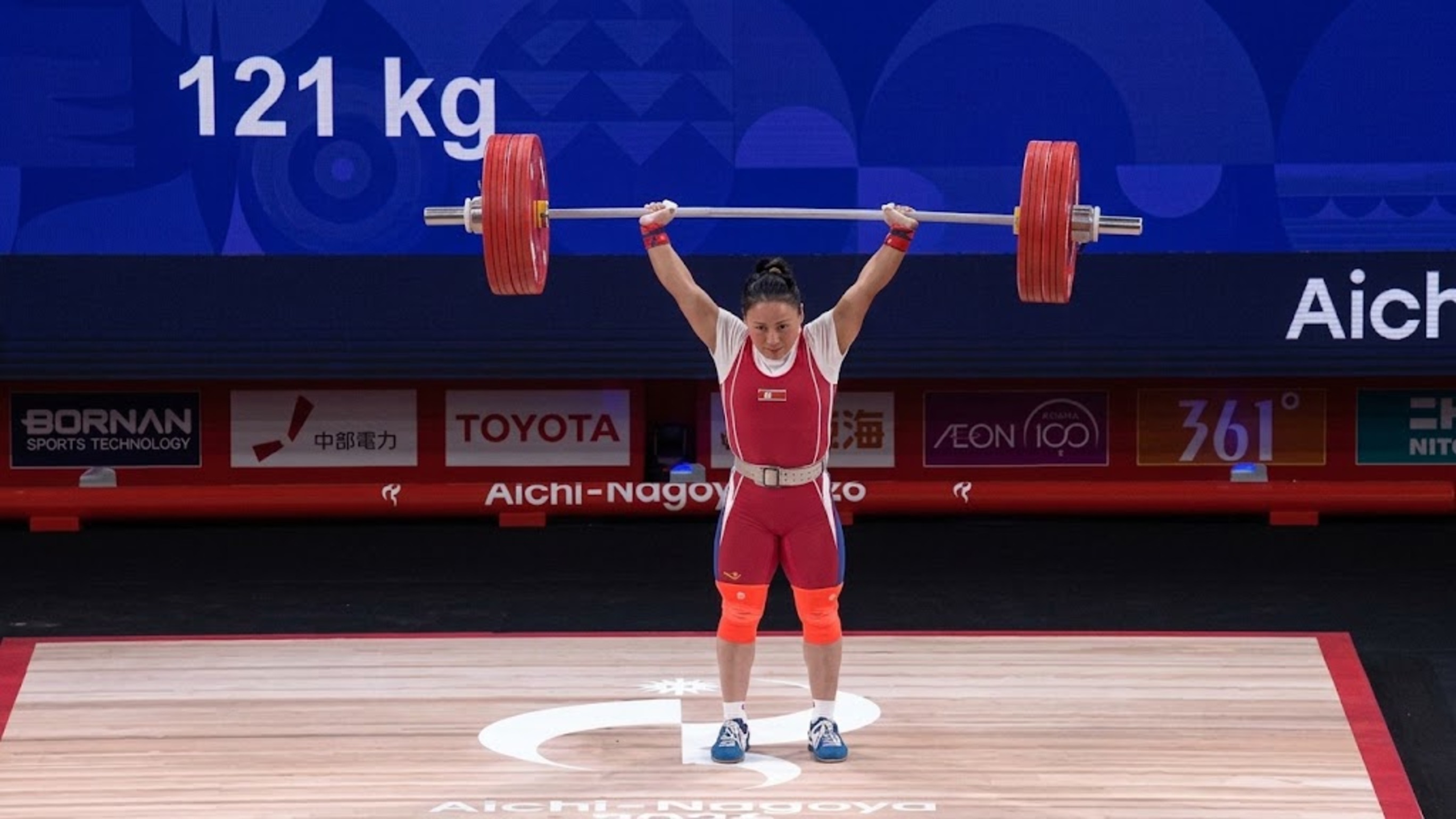
The first eight weightlifting categories at the Asian Games produced 36 world records and 60 Games records, including several contests decided by just 1kg. Those are eye-catching numbers, but the explanation behind them is quieter than the headline suggests.
The record book started nearly empty
Weightlifting redrew its weight classes for the new cycle. The International Weightlifting Federation introduced new bodyweight categories in 2025, and with them came a fresh start for world records. Marks set in the old classes no longer counted in the new ones.
That matters more than it sounds. A record only has to beat the previous record, and when the previous record is a recent, unpolished benchmark, it's much easier to beat. In a well-established class, the record might stand for years. In a new one, the first serious lifter with a good day can move it.
It's the same reason a new running event tends to see rapid record progress in its early years. There's nothing mysterious about it.
Three records for the price of one
Weightlifting also hands out records generously. Each lifter is competing in the snatch, the clean and jerk, and the combined total. That means a single athlete can break up to three world records in one competition.
So the count of 36 doesn't mean 36 different miracles. It means a small number of standout performances, each counted in several ways. When a lifter opens a class by setting a snatch mark, follows it with a clean and jerk mark and combines them into a total mark, the record book gets three new entries from one afternoon.
That's not a criticism. It's simply how the sport keeps score, and it explains why the total can climb quickly when a class is new.
The 1kg finish
The more compelling number might be the margins. Several contests at these Games were decided by just 1kg, which is the smallest increment on the platform. That's the difference between gold and silver on a barbell loaded with well over 100kg.
Weightlifting is unusually cruel about ties, too. If two lifters finish on the same total, the one who weighs less on the scale wins. Nobody argues about a judge's opinion. It's cold arithmetic, which is exactly what makes close finishes so tense.
Because each lifter gets three attempts in each lift, strategy matters as much as strength. Coaches pick the weight for the next attempt with an eye on rivals, deciding whether to push for a record or hold back and protect a lead. A 1kg margin often comes down to one coach's decision about one attempt.
Should a record still feel special?
Here's the honest complication. Records set in a brand-new class deserve credit, but they say less about the ceiling of human strength than a record that has survived a decade of attempts. A world record in a mature class is a statement. A world record in the first few competitions of a new one is a starting point.
None of that takes away from what the lifters did. Somebody still had to lift those weights, and 1kg finishes are as tense as anything in sport. It just means the raw count of records should be read with some context.
The fairer way to see it might be to check again in two or three years. If the marks are still falling at the same pace, something bigger is happening. If they slow down, the class simply found its level.
So if a record can fall three times in a single afternoon, how long before it stops feeling like a record at all? And what would a fairer way to reset the book look like?

Sarajevo Back at the Heart of Regional MMA: SFC Returns with Explosive Matchups

How Buzzer Karma Works: Levels, Penalties, and What They Mean

Inside Buzzer's Latest Update (and Why It Changes How You Use the App)

Buzzer Introduces Ads Console: A New Era of Advertising Across the Entire Buzzer Ecosystem

Buzzer Is Evolving: From Quantity to Quality

Buzzer Now Has a Games Hub, and Tournaments Are Coming

Polo Al Taco Expands Its Global Reach Through Weekly Livestreams on Buzzer Arena TV

Al Ittihad SC's Matches Are Now Live on Buzzer

Palm City vs Gulf United Ends in 1–1 Draw in UAE Second Division League Clash

"We Don't Take the Guy With the Camera." He Built His Own Club Anyway. Now He's Coming to Find You.


