





 0
F1 Heads to Baku. The Street Circuit Has a Habit of Ruining Perfectly Good Predictions.
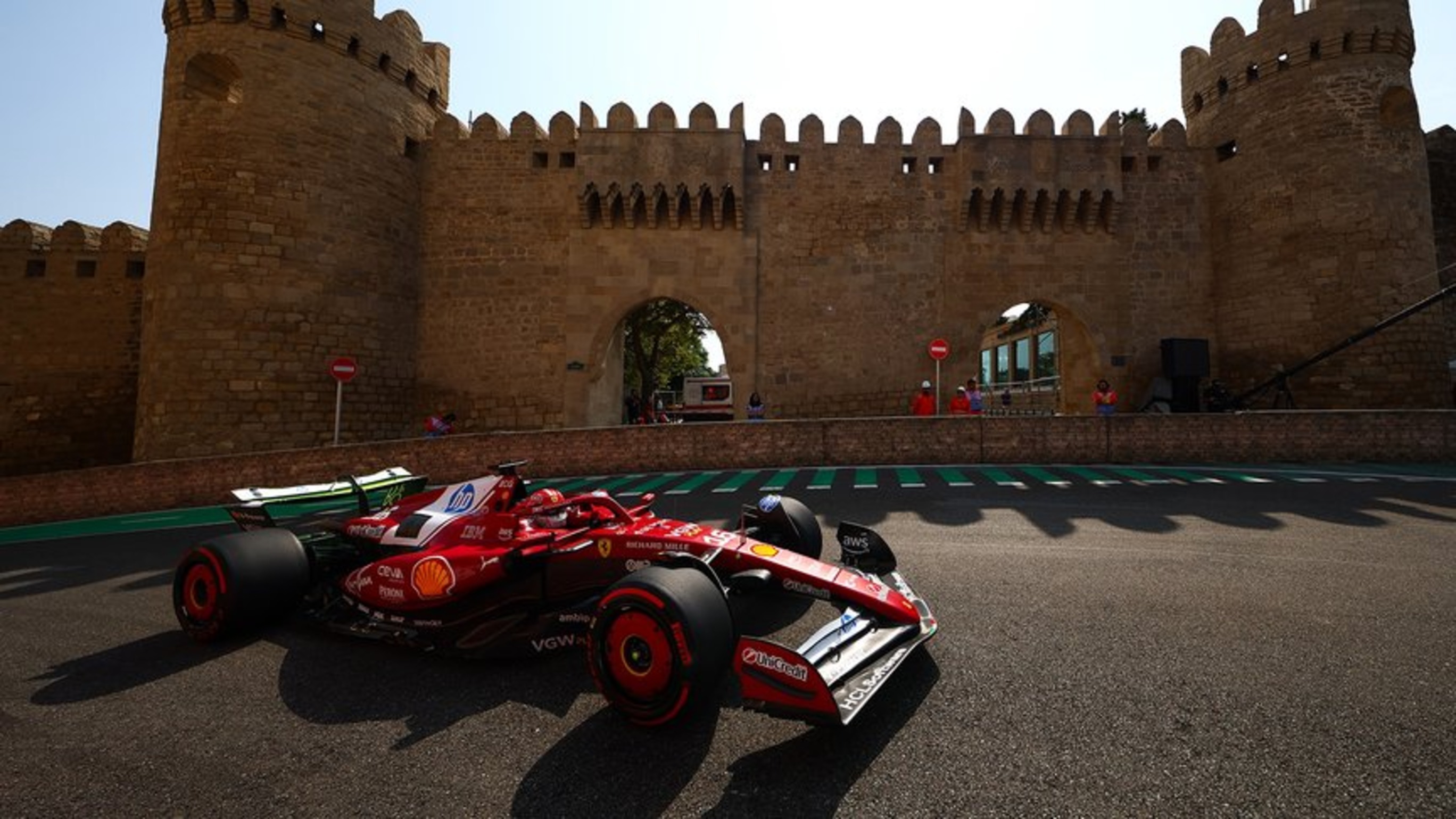
Formula 1's Azerbaijan Grand Prix arrives September 24-26, a rare Saturday-race weekend at the Baku City Circuit, a track that combines a 2.2-kilometer main straight, the longest on the calendar, with a brutally tight castle section where a single misjudged line can end a session in the barriers.
That combination has made Baku one of the most reliable sources of genuine surprise results in modern F1, a circuit where a driver's season-long form curve matters less than usual and a single confident lap through the castle section matters more.
Why street circuits expose different weaknesses than permanent tracks
Permanent circuits reward a car's overall aerodynamic package and a driver's sustained rhythm across a lap built from varied, repeatable corners. Street circuits like Baku reward something narrower and less forgiving: precision through walls that offer zero margin for error, combined with a driver's specific comfort level navigating a track with almost no run-off to punish a small mistake.
That's why teams and drivers who've looked genuinely strong all season can suddenly look lost at Baku, and why midfield teams sometimes produce their best result of the year there. The skills that separate drivers at a permanent circuit, aerodynamic feel through fast, flowing corners, don't transfer cleanly to a track built almost entirely around braking zones and wall-adjacent straight-line speed.
Baku rewards precision, but one mistake can erase an entire weekend's worth of preparation.
What 2026's new regulations add to that volatility
This year's cars carry F1's most significant regulation overhaul in years, built around aggressive energy management that can leave drivers with reduced power if their battery deployment strategy misjudges a lap. On a circuit like Baku, where the long main straight rewards a car with power available exactly when it's needed, any energy-management miscalculation becomes immediately, visibly costly in a way it might not be on a more balanced permanent circuit.
Charles Leclerc's already banked a win this season at Silverstone, and Baku's castle section, where a single committed lap can put a driver on the front row regardless of season-long form, is exactly the kind of track where Ferrari's occasionally flickering qualifying pace could either disappear entirely or suddenly click.
Why this weekend matters more than a normal midfield round
With Antonelli holding a commanding championship lead built largely on consistency rather than singular dominance, Baku represents exactly the kind of circuit capable of disrupting that pattern in either direction: a genuinely bad weekend for the championship leader, or further evidence that his composure holds up even on the calendar's most unforgiving track.
Does a street circuit like Baku actually test something meaningfully different about driver skill than a permanent track does, or does it simply introduce more randomness into results that a full season's worth of racing should otherwise smooth out?

Sarajevo Back at the Heart of Regional MMA: SFC Returns with Explosive Matchups

How Buzzer Karma Works: Levels, Penalties, and What They Mean

Inside Buzzer's Latest Update (and Why It Changes How You Use the App)

Buzzer Introduces Ads Console: A New Era of Advertising Across the Entire Buzzer Ecosystem

Buzzer Is Evolving: From Quantity to Quality

Buzzer Now Has a Games Hub, and Tournaments Are Coming

Polo Al Taco Expands Its Global Reach Through Weekly Livestreams on Buzzer Arena TV

Al Ittihad SC's Matches Are Now Live on Buzzer

Palm City vs Gulf United Ends in 1–1 Draw in UAE Second Division League Clash

"We Don't Take the Guy With the Camera." He Built His Own Club Anyway. Now He's Coming to Find You.


 1


