





 0
The Asian Games Delivered The Sport. Nobody Told The Seats
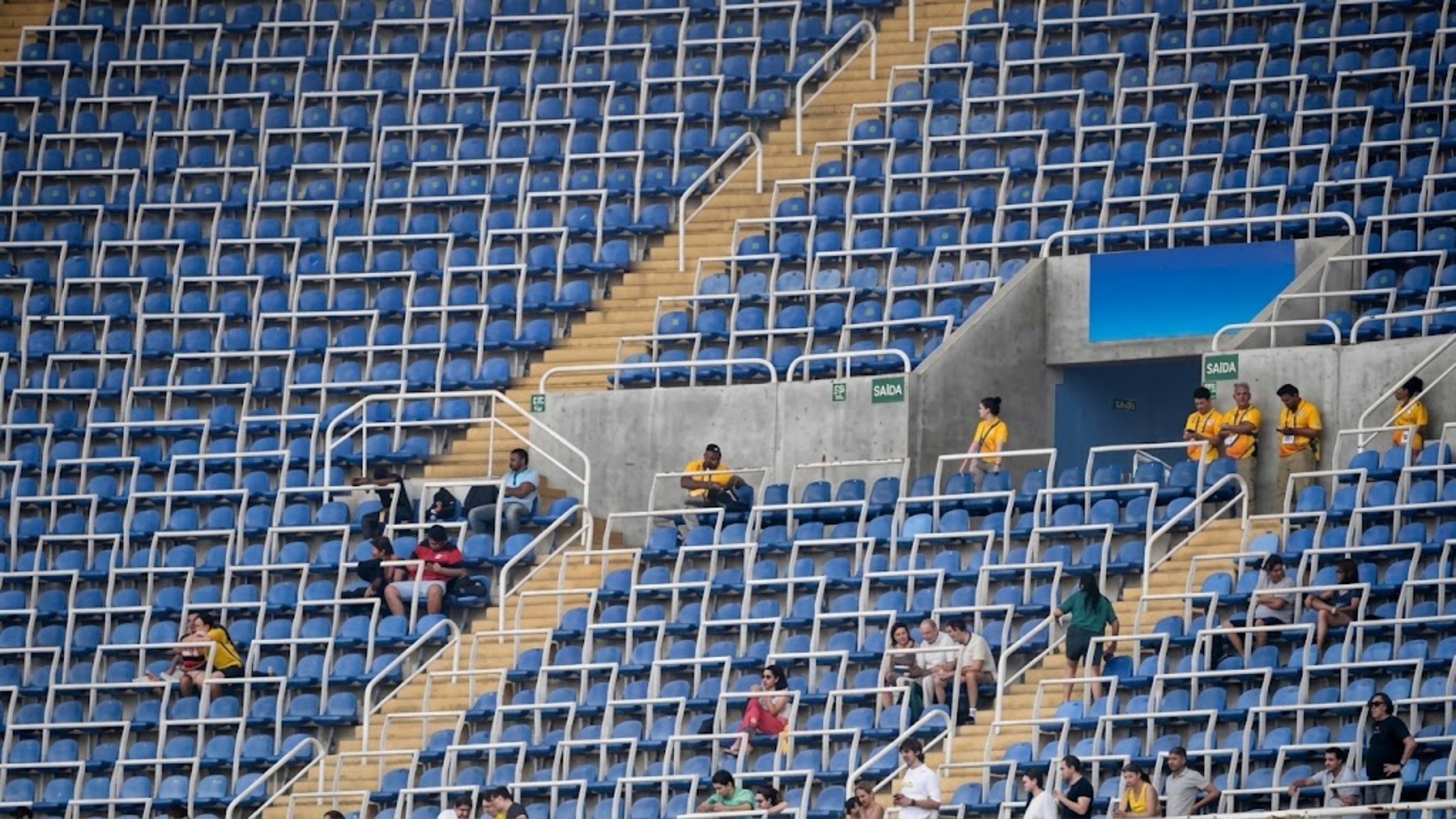
The 100-metre finals are supposed to be the night a Games fills its stadium. In Nagoya, the 30,000-capacity Mizuho Park Athletic Stadium looked about one-quarter full.
The organising committee's secretary-general, Satoshi Murate, was telling reporters the committee was "not satisfied." It was an unusually direct thing to say about your own event, and it landed in the middle of a Games that had already produced plenty of headlines for the wrong reasons.
Great athletes, awkward hosting
Start with the good stuff, because there was a lot of it. Japan's Shin Ohashi broke the men's 200m breaststroke world record at the Tokyo Aquatics Centre. China's 13-year-old Yu Zidi capped her Asian Games debut with three golds. Japan's men's table tennis team beat China 3-2 for its first gold in that event in 60 years, according to Jiji Press. China passed 75 golds.
None of that is the problem. The problem is what surrounded it. Participant numbers ballooned to about 17,000 after late entries, roughly 2,000 more than the organisers projected, and Reuters reported that the surge strained accommodation and transport. Teams complained about cramped rooms and small beds.
No traditional athletes' village was built, as a cost-cutting measure. Instead, delegations stayed in temporary container-style huts, hotels and a cruise ship called the Costa Serena, where athletes reportedly waited hours to board. Thailand compared the whole thing to a "chaotic" game of musical chairs. South Korea said the organisers deserved a failing grade. Buses to training and venues arrived late or, in some cases, not at all.
The seats tell a different story than the excuses
Organisers offered several explanations for the empty stands. Sessions with multiple matches meant fans focused on the headline event. Tickets given to sponsors and other stakeholders were not always used. And less than 60 percent of tickets had been sold for eight sports, including football, with a similar share unsold for the closing ceremony.
Weather has also been rude to the schedule. All four men's cricket quarter-finals were washed out without a ball bowled, and the storm that missed Nagoya hit the Tokyo area hard enough to affect swimming venues.
Hosting is a service business
Here is the opinion. A Games can survive a typhoon. It can survive a bad draw or a controversial decision. What it cannot easily survive is athletes feeling like an afterthought, because they are the customers and the product at the same time.
A host that spreads events across two cities, skips the village and hands out free tickets to sponsors is optimising for its own budget. The athletes felt it first, and the cameras eventually noticed.
The tell is the tickets. When a meaningful share of seats go to stakeholders who then stay home, the stadium is not empty because fans did not care. It is empty because nobody sold the event to them properly.
Every world record still counts. But the next bidder for a continental Games will watch the pictures from Nagoya and ask a blunt question. Which matters more, the record book or the photo of the empty stands?

Sarajevo Back at the Heart of Regional MMA: SFC Returns with Explosive Matchups

How Buzzer Karma Works: Levels, Penalties, and What They Mean

Inside Buzzer's Latest Update (and Why It Changes How You Use the App)

Buzzer Introduces Ads Console: A New Era of Advertising Across the Entire Buzzer Ecosystem

Buzzer Is Evolving: From Quantity to Quality

Buzzer Now Has a Games Hub, and Tournaments Are Coming

Al Ittihad SC's Matches Are Now Live on Buzzer

Palm City vs Gulf United Ends in 1–1 Draw in UAE Second Division League Clash

"We Don't Take the Guy With the Camera." He Built His Own Club Anyway. Now He's Coming to Find You.

Building the Infrastructure Sports Tech Forgot


