





 0
Davis Cup Is Fighting to Make Team Tennis Matter Again. This Weekend Is the Test.
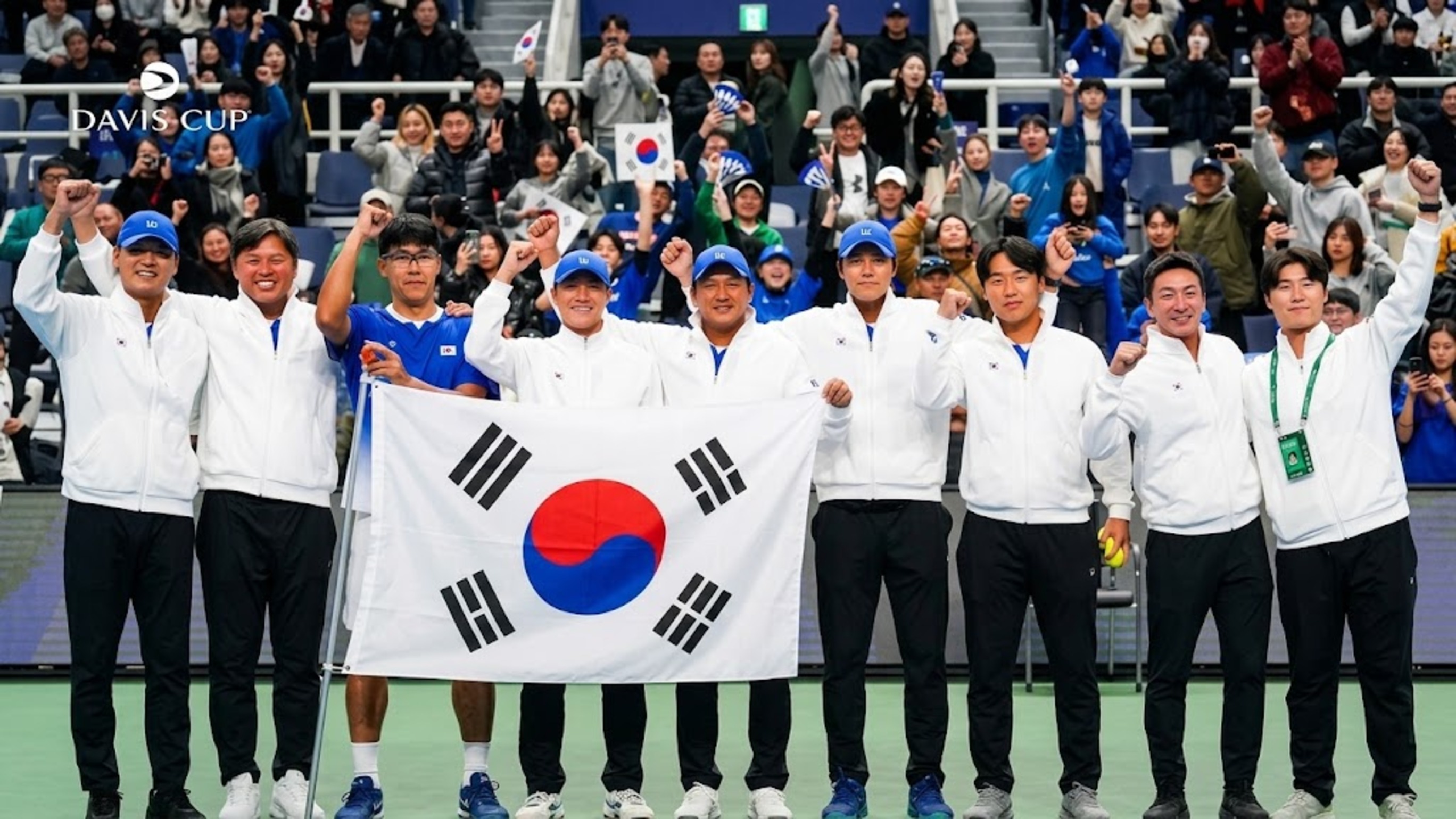
Ties are being played across Europe, Asia and the Americas this weekend in the second round of Davis Cup qualifying, with the winners advancing to November's Final 8 in Bologna. Among them: South Korea hosting India in Seoul, a tie carrying weight well beyond either country's own tennis history.
Should India win, they'll become the first Asian nation to reach the Davis Cup quarterfinals since the Final 8 format was introduced in 2022, and the first Asian nation to reach that stage at all since Kazakhstan in 2021.
Why that specific milestone matters
Tennis has spent decades organized almost entirely around individual glory, majors, rankings, prize money tied to singular achievement rather than national representation. Davis Cup exists in direct tension with that structure, asking players whose careers are built on individual results to prioritize a team competition that offers neither ranking points nor anything close to Grand Slam prestige.
That tension has only sharpened as the calendar has gotten more demanding. Top players increasingly skip Davis Cup ties entirely to protect their bodies for tournaments that actually move their rankings, which is exactly why a genuine underdog storyline, like India potentially breaking a 15-year absence from the Finals proper, matters more than it might have a generation ago.
What India and Korea are actually playing for
India hasn't reached the Davis Cup Final 8 since the format adopted its current structure, finishing runners-up three times decades ago in 1966, 1974 and 1987 under an entirely different competition system. Sumit Nagal, India's top-ranked singles player at 247 in the world, and Dhakshineswar Suresh, ranked 367th, are leading a campaign against a South Korean side that holds a narrow historical edge in the head-to-head but hasn't actually played India since 2016.
Neither team features a top-50 singles player. That's precisely what makes this tie compelling as a Davis Cup story rather than a showcase for the sport's biggest names: two nations with modest individual rosters fighting for a spot that would mean more to their tennis federations than any single player's ranking bump this season.
The bigger structural question
Davis Cup's organizers have restructured the format repeatedly over the past decade, from the old home-and-away system to a neutral-venue Finals week, precisely because attendance and star participation have both been inconsistent under previous formats. Whether ties like South Korea versus India actually generate the kind of national interest that makes team tennis feel meaningful again, rather than a scheduling obligation top players tolerate, remains genuinely unresolved.
Can Davis Cup ever recapture the kind of national stakes that once made team tennis matter as much as individual glory, or has the sport's economics moved too far toward individual achievement for a team trophy to ever compete for a top player's full attention again?
The answer could shape what Davis Cup becomes next.

Sarajevo Back at the Heart of Regional MMA: SFC Returns with Explosive Matchups

How Buzzer Karma Works: Levels, Penalties, and What They Mean

Inside Buzzer's Latest Update (and Why It Changes How You Use the App)

Buzzer Introduces Ads Console: A New Era of Advertising Across the Entire Buzzer Ecosystem

Buzzer Is Evolving: From Quantity to Quality

Buzzer Now Has a Games Hub, and Tournaments Are Coming

Polo Al Taco Expands Its Global Reach Through Weekly Livestreams on Buzzer Arena TV

Al Ittihad SC's Matches Are Now Live on Buzzer

Palm City vs Gulf United Ends in 1–1 Draw in UAE Second Division League Clash

"We Don't Take the Guy With the Camera." He Built His Own Club Anyway. Now He's Coming to Find You.


 1


