





 0
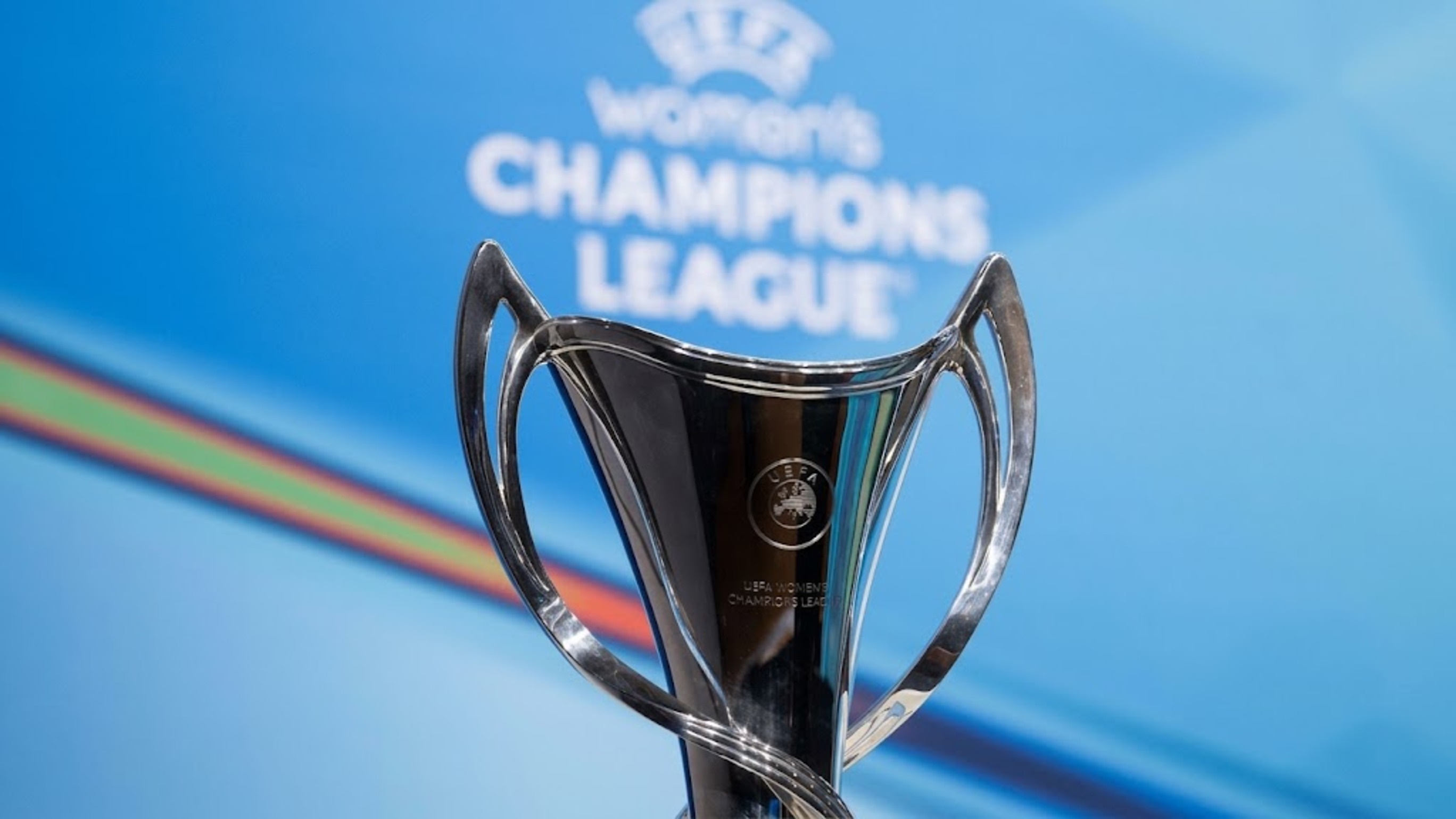
The Women's Champions League Added More Matches This Season. Viewership More Than Doubled.
UEFA's Women's Champions League moved to an 18-team league phase last season, with each club playing six games against different opponents rather than the old, smaller group format. The result: cumulative live viewership reached 44.5 million, more than double the previous season's total, broadcast across 207 territories through 44 partner networks.
That's not simply more people tuning in for one marquee final. It's a genuinely structural change in how often fans are being offered the chance to watch elite women's club football, and the audience numbers suggest that structural change is exactly what's converting casual interest into something closer to habitual viewing.
Why more matches produced more than proportional growth
Adding games to a competition's calendar doesn't automatically translate into audience growth matching the increased volume; plenty of expanded tournaments simply spread a fixed audience across more content without genuinely growing it. The Women's Champions League's 164 percent viewership surge suggests something different happened here: more regular fixtures gave broadcasters more inventory to build consistent weekly coverage around, rather than a handful of marquee dates surrounded by long gaps where casual fans had no reason to check back in.
Social media engagement backs up that read. Video views rose 50 percent year over year, and total interactions climbed 84 percent, growth that reflects sustained attention across an entire season rather than a single viral spike around the final.
What "turning interest into habit" actually requires
A sport builds a genuine viewing habit when fans know there's something worth watching on a predictable, recurring basis, not just during marquee one-off events. The old, smaller Women's Champions League format offered fewer of those recurring touchpoints. The expanded league phase, with nearly every participating club playing six meaningfully competitive matches rather than a handful in a small group, gives casual fans far more regular opportunities to become consistent viewers rather than occasional final-day spectators.
UEFA's own data backs that structural read: 49 percent of matches were decided by a single goal or ended level, and a third of games featured genuine comebacks, meaning the expanded format wasn't just offering more games, it was offering more competitively balanced, genuinely unpredictable ones.
What still has to happen for this to become permanent
One season of dramatic growth is a strong signal, not yet definitive proof of a durable habit. Sustained viewership across multiple seasons, rather than a single standout year coinciding with a format change, is what actually convinces broadcasters and sponsors to commit longer-term investment at the scale the numbers currently suggest is possible.
Can this year's viewership surge become the new baseline expectation for women's club football, or was some of this growth simply the natural spike that comes with any format's debut season, before settling into a lower, more sustainable long-term number?

Sarajevo Back at the Heart of Regional MMA: SFC Returns with Explosive Matchups

How Buzzer Karma Works: Levels, Penalties, and What They Mean

Inside Buzzer's Latest Update (and Why It Changes How You Use the App)

Buzzer Introduces Ads Console: A New Era of Advertising Across the Entire Buzzer Ecosystem

Buzzer Is Evolving: From Quantity to Quality

Buzzer Now Has a Games Hub, and Tournaments Are Coming

Polo Al Taco Expands Its Global Reach Through Weekly Livestreams on Buzzer Arena TV

Al Ittihad SC's Matches Are Now Live on Buzzer

Palm City vs Gulf United Ends in 1–1 Draw in UAE Second Division League Clash

"We Don't Take the Guy With the Camera." He Built His Own Club Anyway. Now He's Coming to Find You.


 1


