




 0
0
The FIFA Insider Who Lost His Job After Saying No
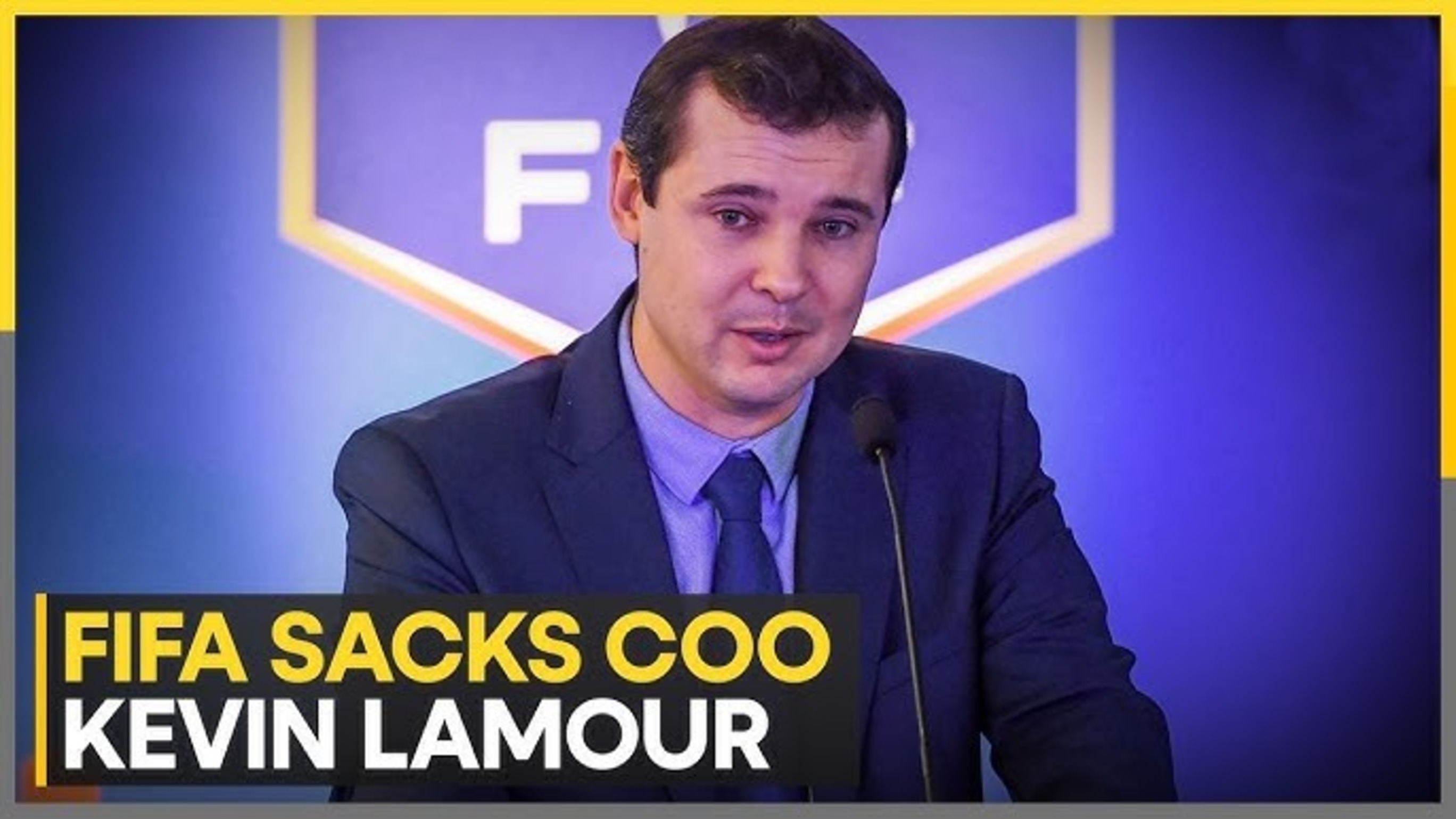
Kevin Lamour had spent years as one of Gianni Infantino's closest colleagues, following him from UEFA to FIFA and rising to become the organisation's chief operating officer.
When Infantino tried to push through a $20 billion private investment deal for the World Cup without properly consulting his own staff, Lamour did something almost unheard of inside an organisation as tightly controlled as FIFA: he said so publicly, in a statement to the Associated Press, and helped end the plan within hours.
A long working relationship, tested at the worst possible moment
Lamour and Infantino's professional history stretches back well over a decade, through Infantino's time as UEFA general secretary and into his FIFA presidency.
That kind of proximity usually produces loyalty, or at least public silence, even when internal disagreements exist.
Lamour's statement broke that pattern entirely.
He told the AP that FIFA staff had been deceived by Infantino's lack of openness in planning the sale over recent months, and that the project simply couldn't be allowed to continue.
"It is the project of one person," Lamour wrote, a line that would go on to be quoted in nearly every major story covering FIFA's crisis that week.
He didn't stop at criticising the process. He called for football's political leaders to genuinely reflect on the decisions that had led to this point, language that read less like a technical objection to a business plan and more like a direct challenge to how Infantino was running the organisation.
The resignation that came just before it
Lamour's intervention landed hours after another senior figure had already broken ranks.
Carlos Cordeiro, a former Goldman Sachs banker serving as Infantino's presidential adviser and FIFA's representative on a White House task force for the World Cup, resigned that same day and publicly urged other senior staff to speak out too.
Cordeiro's resignation created the opening. Lamour's statement, coming from someone still inside the building and holding one of FIFA's most senior operational roles, turned it into something Infantino couldn't simply ride out.
Within hours of Lamour's comments becoming public, Infantino withdrew the proposal entirely, saying it had "created divisions of a nature that, regardless of the level of support, are no longer in the interest of the objective set out in the first place."
A rare kind of institutional courage, with an uncertain cost
What makes Lamour's intervention so unusual is the risk it carried.
FIFA's presidency has historically been an environment where dissent gets managed quietly rather than aired publicly, and a chief operating officer publicly contradicting his own president over a signature initiative is not a career move typically associated with keeping that job.
Whether Lamour remains in his role once the immediate crisis passes remains an open question, one that will say a great deal about whether Infantino's FIFA genuinely tolerates internal accountability or simply survived a moment when it had no other choice.
For now, Lamour's five-word framing, "the project of one person," has become the phrase that defines the entire episode: not a debate about a business plan, but a story about one man's judgment being publicly rejected by the people who worked for him.
Does an act of internal dissent like this deserve to be remembered as institutional courage, or is it simply what happens when a plan becomes too politically toxic for anyone close to it to survive staying quiet?


