
 0
0
Boxing’s Scoring System Isn’t Broken, The People Using It Are the Problem
Every time a boxing decision sparks outrage, and it happens constantly, the conversation eventually turns to the 10-point must system itself. Too subjective. Too vague. Ready for an overhaul.
That reaction is understandable and largely misplaced. The system is more specific than its critics usually acknowledge. The problem sitting underneath most controversial decisions isn’t the framework judges are using. It’s how inconsistently individual judges apply it.
What the system actually asks judges to do
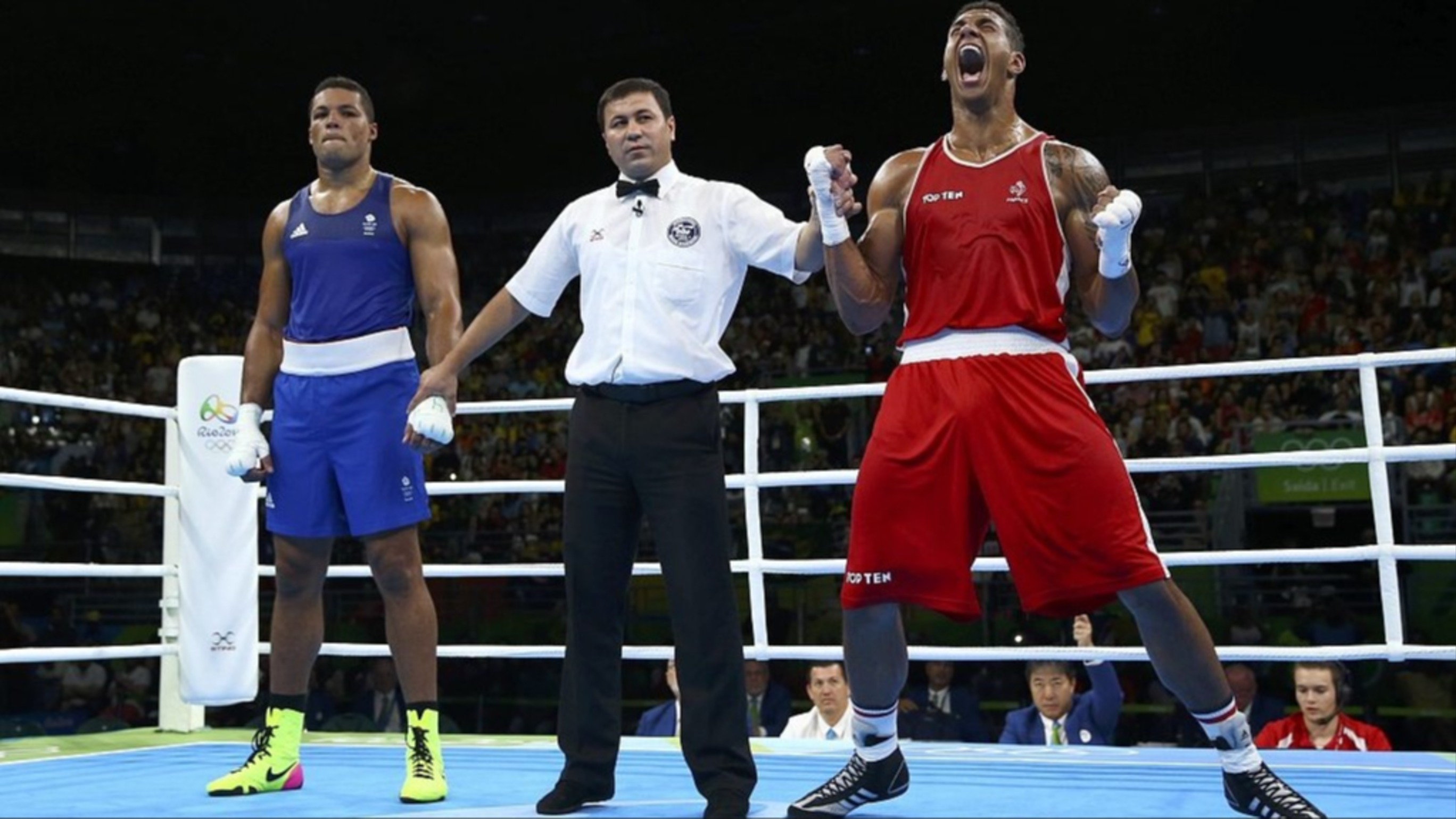
Under the 10-point must system, three ringside judges independently score every round, giving 10 points to the winner and 9 or fewer to the loser. A knockdown typically costs the round loser an additional point, making it 10-8. The scoring criteria, in order of priority, are clean punching, effective aggressiveness, ring generalship, and defense.
In practice, most rounds come down to a simpler question than that four-part list suggests: who landed the cleaner, harder shots. A fighter throwing 50 sloppy punches and landing 20 should lose a round to a fighter who throws 15 sharp, accurate ones. Judges are specifically trained to value quality over volume, which is precisely the rule most casual viewers get backwards when they watch a fight and assume the busier fighter automatically won the round.
Where the actual controversy lives
The system’s genuine weak point isn’t the math, it’s interpretation. What one judge calls effective aggression, another might score as reckless, undisciplined brawling. A punch landing cleanly to one judge’s eye might look like it grazed to another judge sitting at a different angle. Three judges, three physical vantage points, three sets of professional judgment, and boxing asks them to somehow arrive at consistent conclusions about fast, chaotic action.
The 1999 heavyweight bout between Lennox Lewis and Evander Holyfield remains the textbook example. Most neutral observers scored the fight clearly for Lewis. It was ruled a draw, and one judge’s scorecard was so far out of line with what everyone else saw that it triggered a formal investigation into possible corruption.
That’s not a scoring system failing. That’s either genuine human error at a scale that should be embarrassing, or something worse, and neither problem gets solved by redesigning the point framework itself.
The fixes worth actually considering
Recent experiments point toward better solutions than scrapping the system entirely. AI-assisted judging debuted at the Tyson Fury versus Oleksandr Usyk fight specifically to reduce human error, though it’s drawn its own skepticism from a boxing community wary of technology replacing human judgment in a sport built on subjective physical combat.
More promising is the push for greater transparency and accountability: releasing scorecards during fights rather than only after, tracking individual judges’ historical patterns for bias, and applying real consequences when a judge’s card is wildly out of step with consensus. None of that requires rewriting what “clean punching” or “effective aggressiveness” mean.
Fixing the right problem
Boxing fans have every right to be frustrated by bad decisions. But redesigning the 10-point must system treats the wrong patient. The framework itself, applied consistently by trained, accountable judges, produces fair results most of the time. The sport’s actual crisis is a lack of consequences for judges who consistently get it wrong, not a scoring philosophy that needs reinventing from scratch.
Would you trust an AI judging system over human judges in a sport this physical and fast-moving, or does boxing’s subjective nature require human judgment no matter how imperfect?


 1
1