





 0

Winning Fights Is Only One Part of Becoming a Combat Sports Star
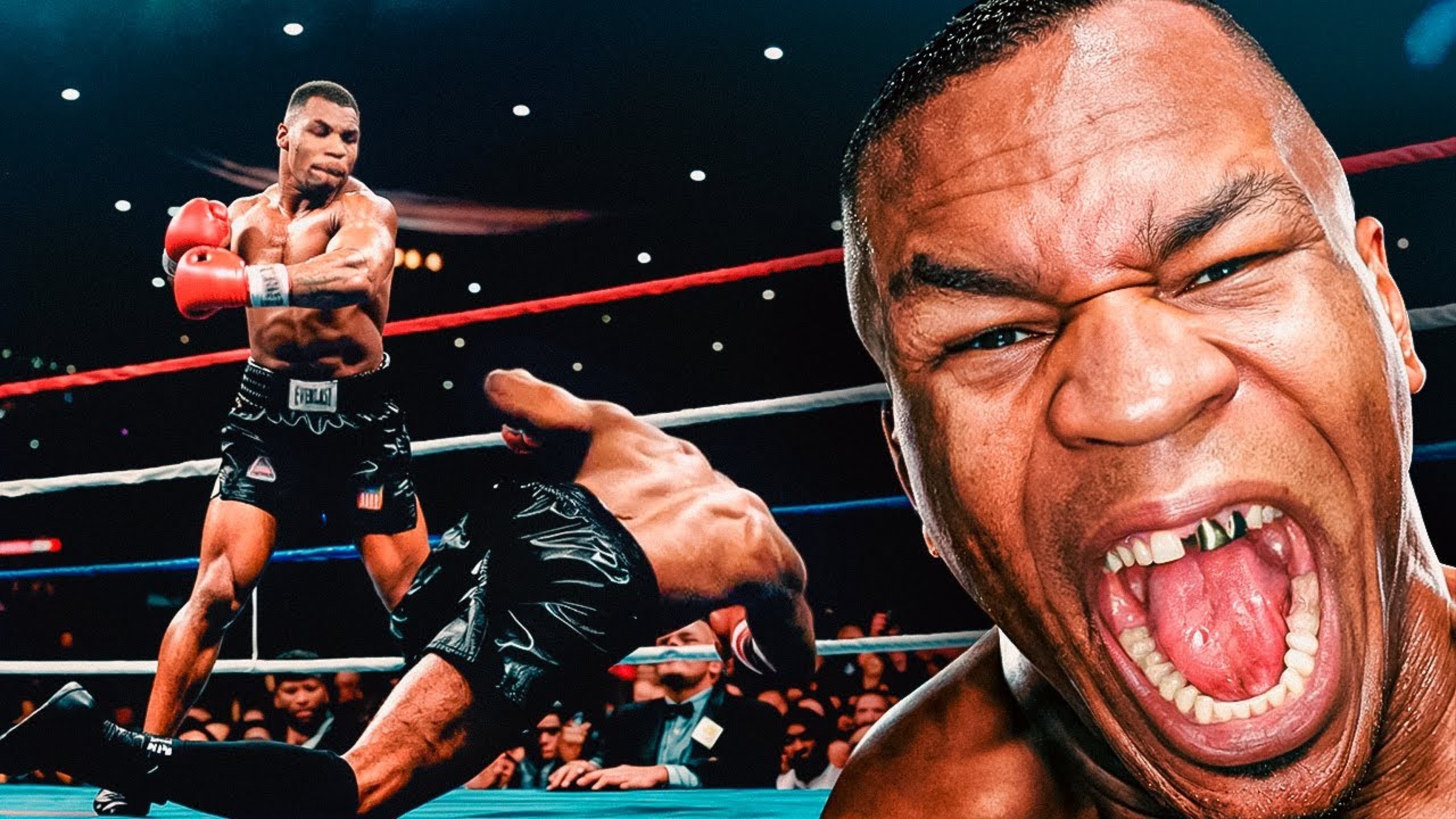
In November 2024, 58-year-old Mike Tyson fought Jake Paul in front of up to 80,000 fans at AT&T Stadium, streamed live on Netflix. Tyson hadn’t fought a sanctioned professional bout in 19 years. Paul came in with a 10-1 professional record and won a unanimous decision after eight rounds.
On the same card, Katie Taylor and Amanda Serrano fought a rematch for the undisputed women’s super lightweight titles. Taylor won in a fight full of controversy. Anyone judging that card on pure skill might have put the women first.
Who gets the leverage?
Paul said publicly in August that he was there to make $40 million and knock out a legend. The purses were never officially disclosed, so his own statement is the only number on the public record.
He also said that Taylor and Serrano earned around $1 million each for their first meeting in 2022, a fight he promoted. Taylor and Serrano met again on the Netflix card, and the first fight had been billed as the biggest in women’s boxing history.
Nobody should read that gap as proof of anything unfair. It tracks something other than skill. It follows who owns the event, who brings the audience and who controls the platform.
Paul was the star and part of the promotional operation. Most Valuable Promotions ran the show, and Paul had built his audience as a YouTuber before he ever boxed.
The UFC version
In the UFC, the leverage sits with the promotion. Court documents from antitrust lawsuits showed fighters receiving roughly 17 to 20 percent of event revenue. Boxers, by comparison, earn about two-thirds of their events’ revenue.
The UFC settled a class-action lawsuit for $375 million in 2024 over underpayment of fighters between 2010 and 2016.
The new seven-year, $7.7 billion deal with Paramount roughly doubles the UFC’s annual media-rights income, from about $550 million to $1.1 billion. In response, the promotion doubled its Fight of the Night and Performance of the Night bonuses from $50,000 to $100,000 and added a $25,000 bonus for any knockout or submission.
Michael Venom Page said the bonus increase doesn’t do enough compared with what the promotion brought in. Michael Chandler argued the money will trickle down. Both can be right, and fighters will find out over the coming seasons.
What actually builds a star
Skill earns a ranking. Attention earns the leverage to negotiate. Tyson brought a name that filled 80,000 seats, which no record can do on its own. Paul brought a built-in audience. Taylor and Serrano brought a rivalry people wanted to see, and they got a bigger stage for it.
That’s why two fighters with similar records can end up in very different places. One might be a great fighter with a quiet profile. The other might be an average fighter with an audience that follows him everywhere. Winning still matters, and it buys less than most fans think when the ceiling is set by who controls the audience and the broadcast.
If fighters’ earnings follow ownership of the audience rather than the record, should they build their own platforms before they chase belts?

Sarajevo Back at the Heart of Regional MMA: SFC Returns with Explosive Matchups

How Buzzer Karma Works: Levels, Penalties, and What They Mean

Inside Buzzer's Latest Update (and Why It Changes How You Use the App)

Buzzer Introduces Ads Console: A New Era of Advertising Across the Entire Buzzer Ecosystem

Buzzer Is Evolving: From Quantity to Quality

Al Ittihad SC's Matches Are Now Live on Buzzer

Polo Al Taco Expands Its Global Reach Through Weekly Livestreams on Buzzer Arena TV

Buzzer Now Has a Games Hub, and Tournaments Are Coming

Palm City vs Gulf United Ends in 1–1 Draw in UAE Second Division League Clash

"We Don't Take the Guy With the Camera." He Built His Own Club Anyway. Now He's Coming to Find You.


 1


