




 0
0
Manchester United Are Already in Trouble. But Is the Problem Bigger Than Results?
Manchester United had beaten Hull City in eight of their previous ten meetings across all competitions, never once losing to them in the Premier League.
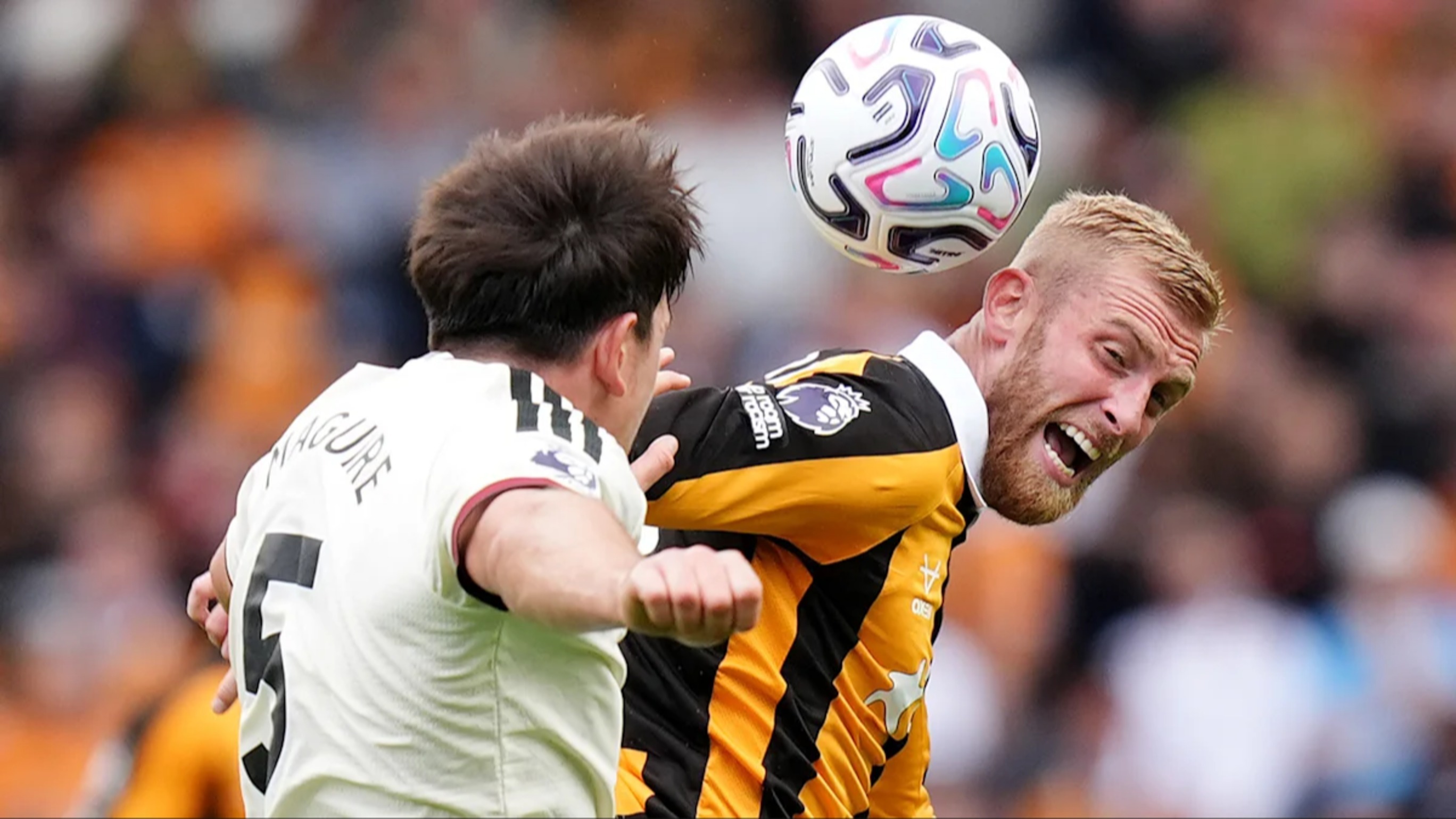
On the opening day of the 2026-27 season, newly promoted Hull, missing ten players to injury and playing their first top-flight match since 2017, beat United 2-0 at the MKM Stadium.
The result itself is embarrassing.
The bigger question is what it says about a club that keeps rebuilding without ever settling on what it's actually trying to be.
A game United dominated, and lost anyway
The numbers tell a strange story.
United held the majority of possession, out-shot Hull heavily across the match, and controlled long spells of play, particularly after half-time.
None of it mattered.
Hull scored twice from set pieces in the first half, through centre-backs Semi Ajayi and Nobel Mendy, and then simply defended their lead with total discipline for the rest of the match, absorbing United's pressure without ever looking seriously threatened.
It's the kind of result that suggests a deeper structural issue rather than simple bad luck: a team that can dominate the ball for 90 minutes and still lose comfortably has a problem no amount of possession will fix on its own.
A club that's rebuilt itself repeatedly without a clear identity
United enter this season under manager Michael Carrick after finishing fifth the previous year, part of a now familiar pattern of incremental changes in personnel and approach without a consistent long-term plan ever fully taking hold.
Whether the issue is tactical identity, squad balance, or simply a group of talented individuals who don't yet function as a cohesive unit, the same underlying question keeps resurfacing season after season regardless of who's picking the team: what is Manchester United actually trying to be right now?
That question matters more for a club of United's size than it would for most.
Clubs with genuinely settled identities, built around a clear style and a stable core of players who've grown up together inside the system, tend to absorb a bad result like this as a blip.
Clubs still searching for their own identity treat it as fresh evidence that something more fundamental isn't working, and United have increasingly fallen into the second category over recent seasons.
Hull's perspective flips the story entirely
For Hull, missing ten first-team players to injury and playing their first Premier League match in nearly a decade, the result was about as good as newly promoted club could hope for.
Manager Sergej Jakirović's side executed a specific gameplan, built around set-piece threat and defensive discipline, with total commitment, and it worked perfectly against a much bigger opponent that never found a way to break it down.
It's a reminder that a smaller club with total clarity about how it wants to play can regularly beat a bigger club that's still working out the answer to that same question.
United's season is one match old, and one result rarely defines an entire campaign on its own.
But for a club that's spent recent years cycling through managers and rebuilding plans without ever quite landing on a stable identity, a defeat like this lands as confirmation of an existing worry rather than a genuine surprise.
Is it fair to read this much into a single opening-day result, or does a defeat like this simply confirm a problem that's been building at Manchester United for years regardless of who's in charge?


